Nirmala Sitharaman neglected education, minority affairs and Tamil Nadu in budget: Congress MP Manickam Tagore
Feb 02, 2026
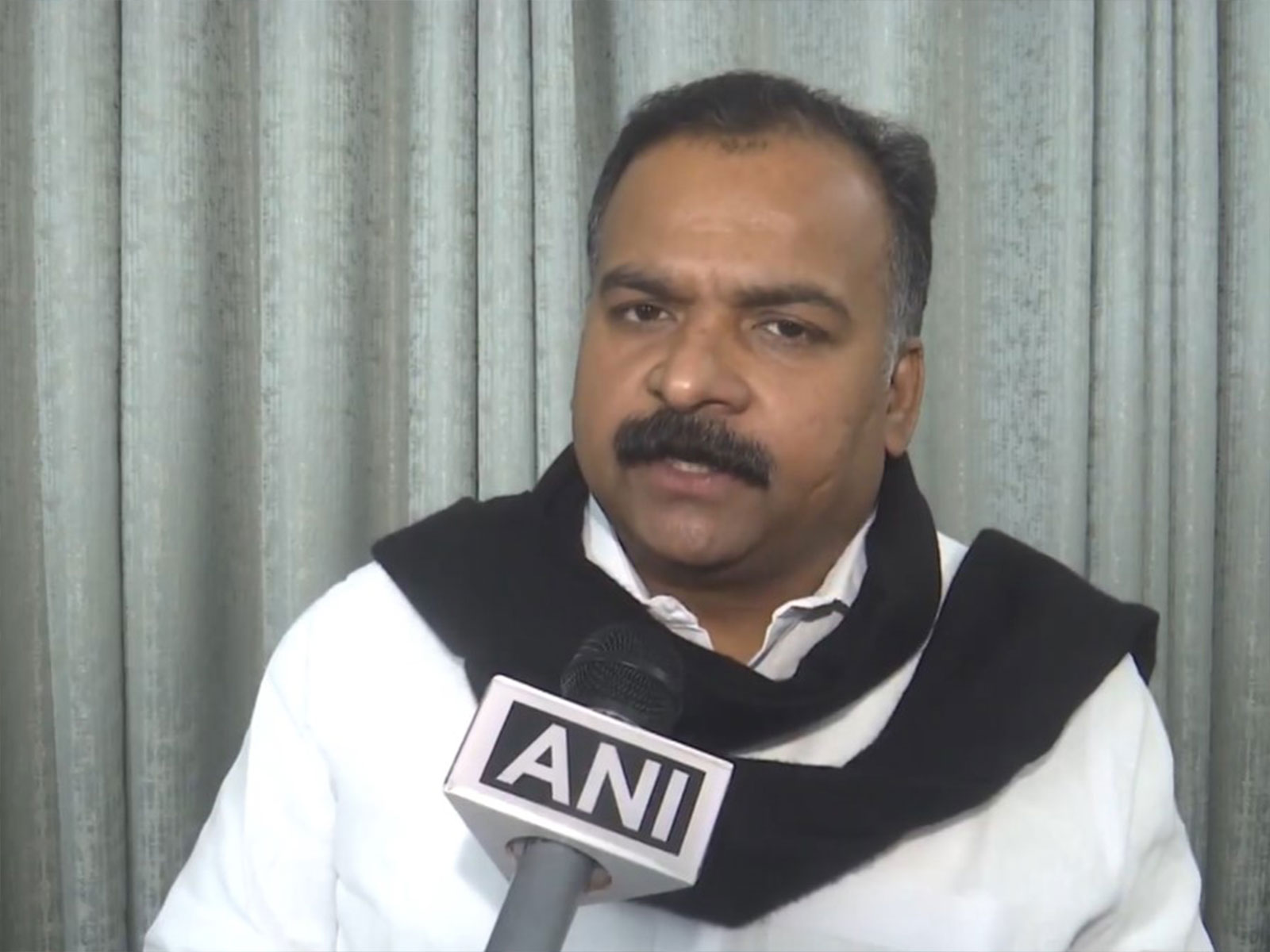
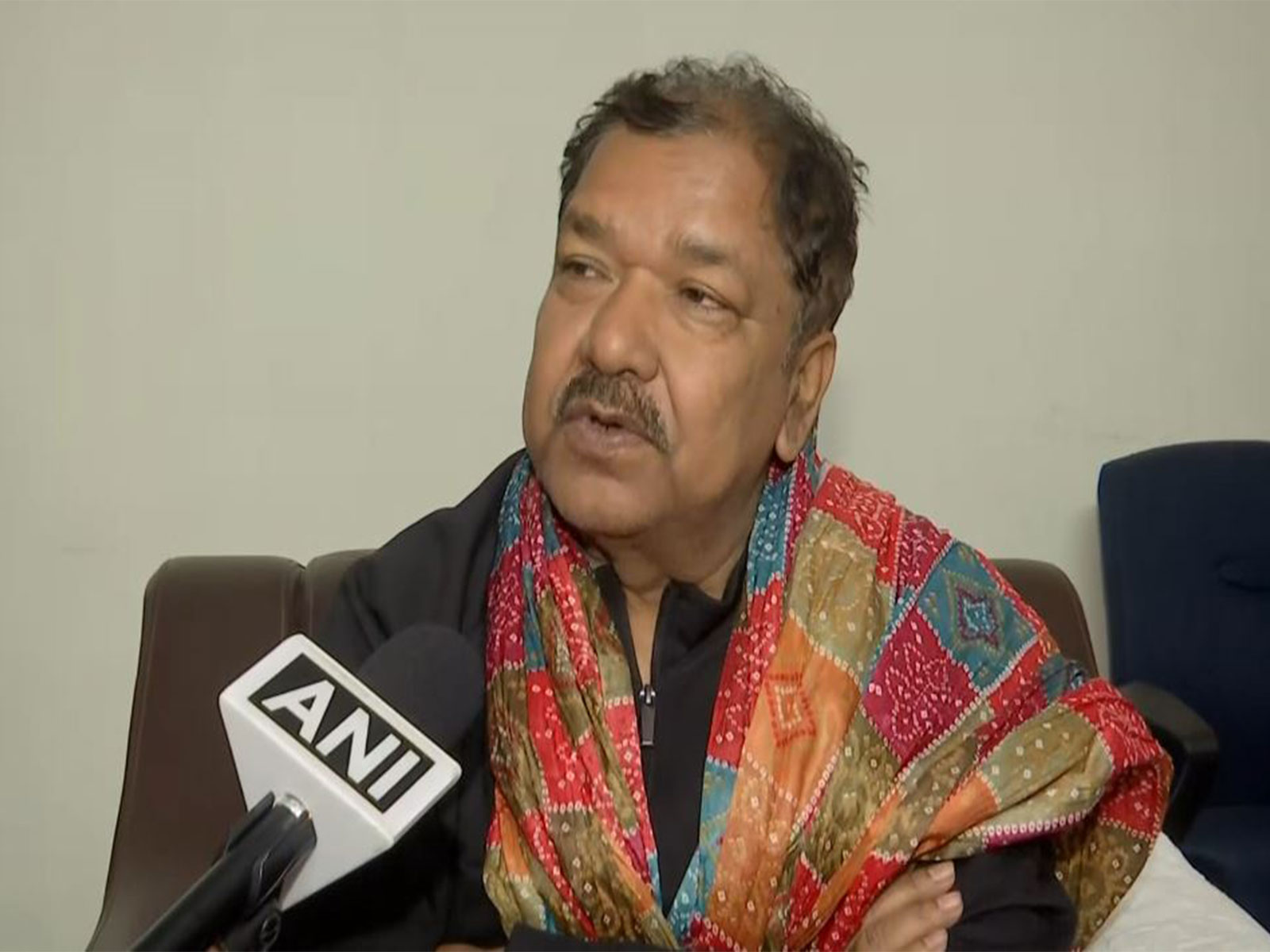
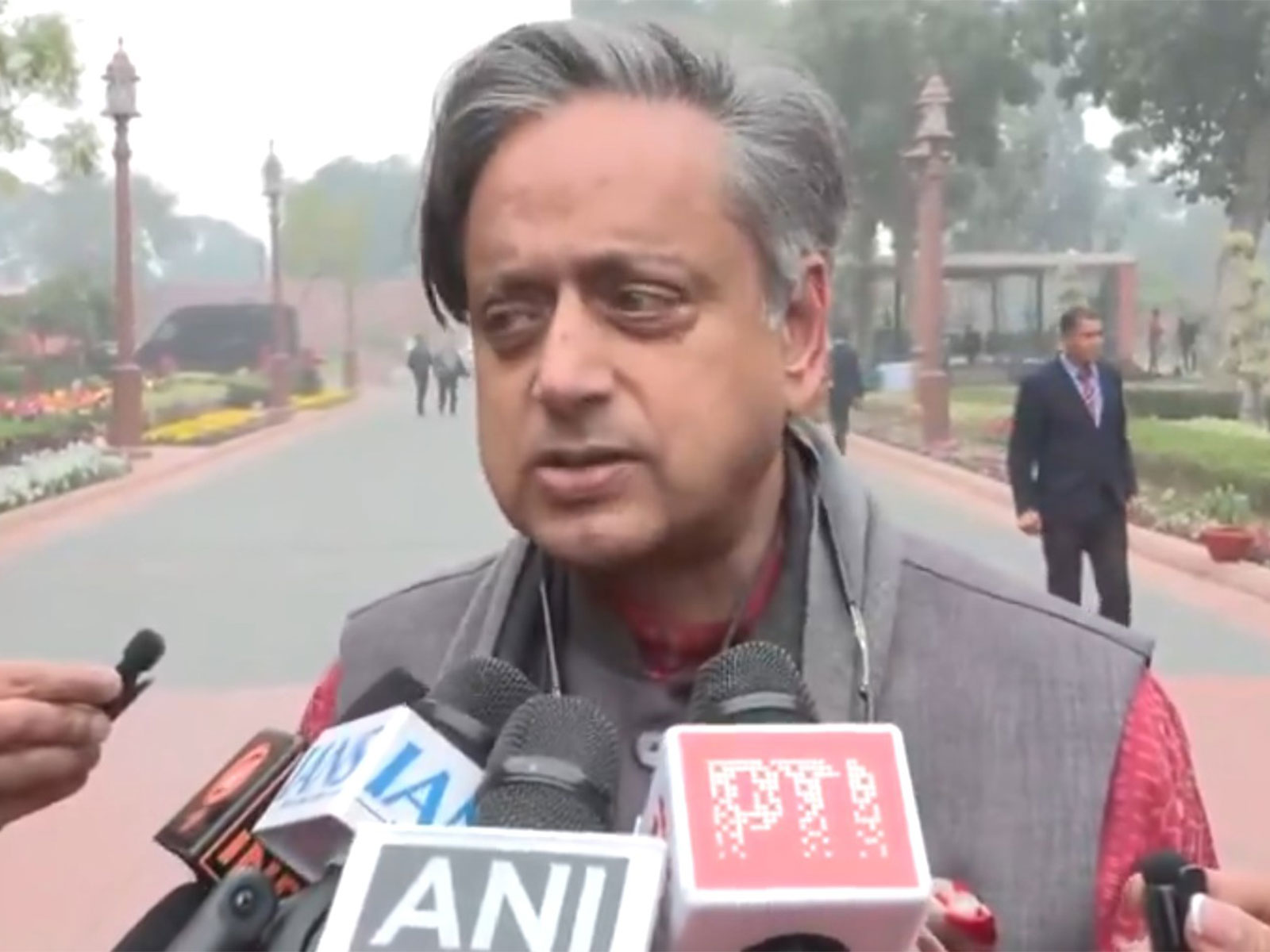
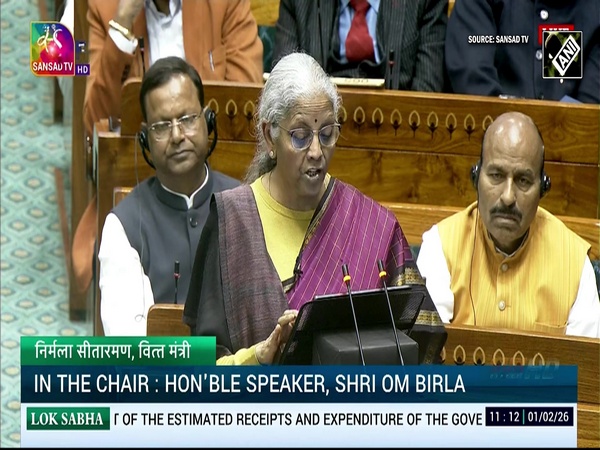
New Delhi [India], February 2 : Congress MP Manickam Tagore said Union Finance Minister Nirmala Sitharaman has "neglected" education, minority affairs, research and social spending and Tamil Nadu in the 2026 Union Budget.
Tagore further said that the push to rare earths and critical minerals in the budget is given for "close friends of PM Modi."
He added that the establishment of dedicated rare earth corridors will lead to "exploitation of forests and natural resources" of Odisha, Tamil Nadu and Kerala.
"Nirmala Sitharaman has neglected education, minority affairs, and research and social spending. It's very clear that when you compare inflation numbers, there is a stagnation in spending... We were very happy that she speaks Tamil and wears Kanjeevaram sari but she has again neglected Tamil Nadu in the budget," he told ANI.
"This rare mineral allocation is particularly for the close friends of PM Modi... It will lead to the exploitation of forests and natural resources. Odisha, Tamil Nadu, Kerala are going to be exploited by those friends of PM Modi," Manickam Tagore added.
The Union budget has proposed the establishment of dedicated rare earth corridors in India's coastal states - Odisha, Kerala, Andhra Pradesh and Tamil Nadu.
It also announced the exemption of basic customs duty on the import of capital goods required for the processing of critical minerals.
Some of the key announcements of the budget were that public capital expenditure has been increased to Rs 12.2 lakh crore for FY 2026-27, up from Rs 11.2 lakh crore in the previous year, underlining the government's continued focus on infrastructure-led growth.
Key initiatives include the development of seven high-speed rail corridors connecting major cities, new dedicated freight corridors, and the operationalisation of 20 national waterways over the next five years to promote environmentally sustainable transport systems.
In addition, city economic regions (CERs) will be mapped and supported through a reform-linked financing mechanism, with an allocation of Rs 5,000 crore per CER over five years.
To strengthen domestic manufacturing, the Budget announced sector-specific interventions across biopharma, textiles, and MSMEs. A Rs 10,000 crore Biopharma SHAKTI initiative aims to position India as a global hub for biologics and biosimilars, while a separate Rs 10,000 crore SME Growth Fund has been proposed to nurture "Champion MSMEs."
The textiles sector will benefit from an integrated programme covering fibre self-reliance, cluster modernisation, sustainability initiatives and skill development under Samarth 2.0.
A major highlight on the taxation front was the announcement that the New Income Tax Act, 2025 will come into effect from April 2026, accompanied by simplified rules and redesigned forms to ease compliance for taxpayers. The Budget also proposes reductions in Tax Collected at Source (TCS) rates for overseas tour packages, education and medical expenses under the Liberalised Remittance Scheme.