Niti Aayog's Virmani flags land, power pricing and skills as key challenges in India's manufacturing sector
Jan 08, 2026
By Kaushal Verma
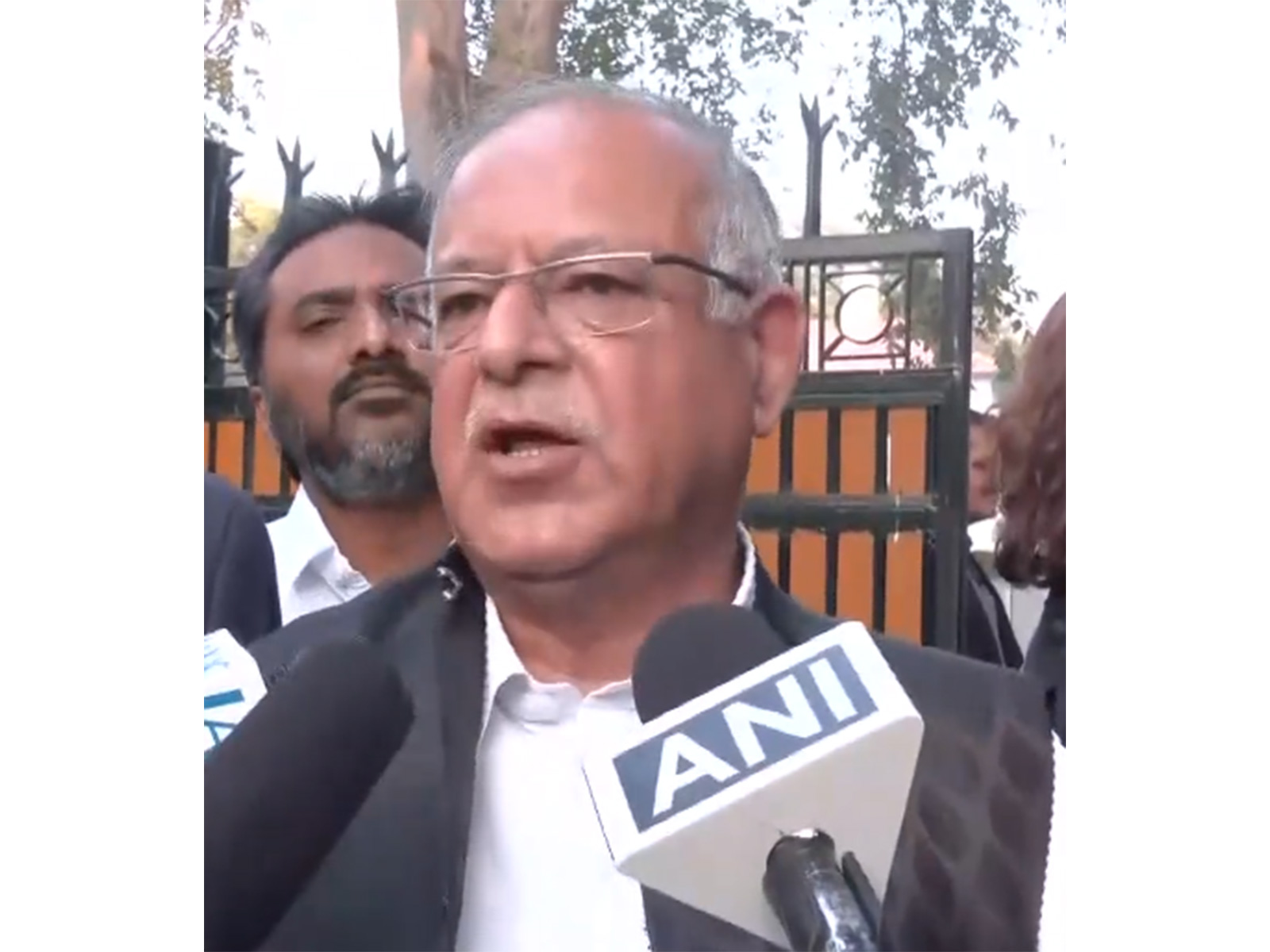
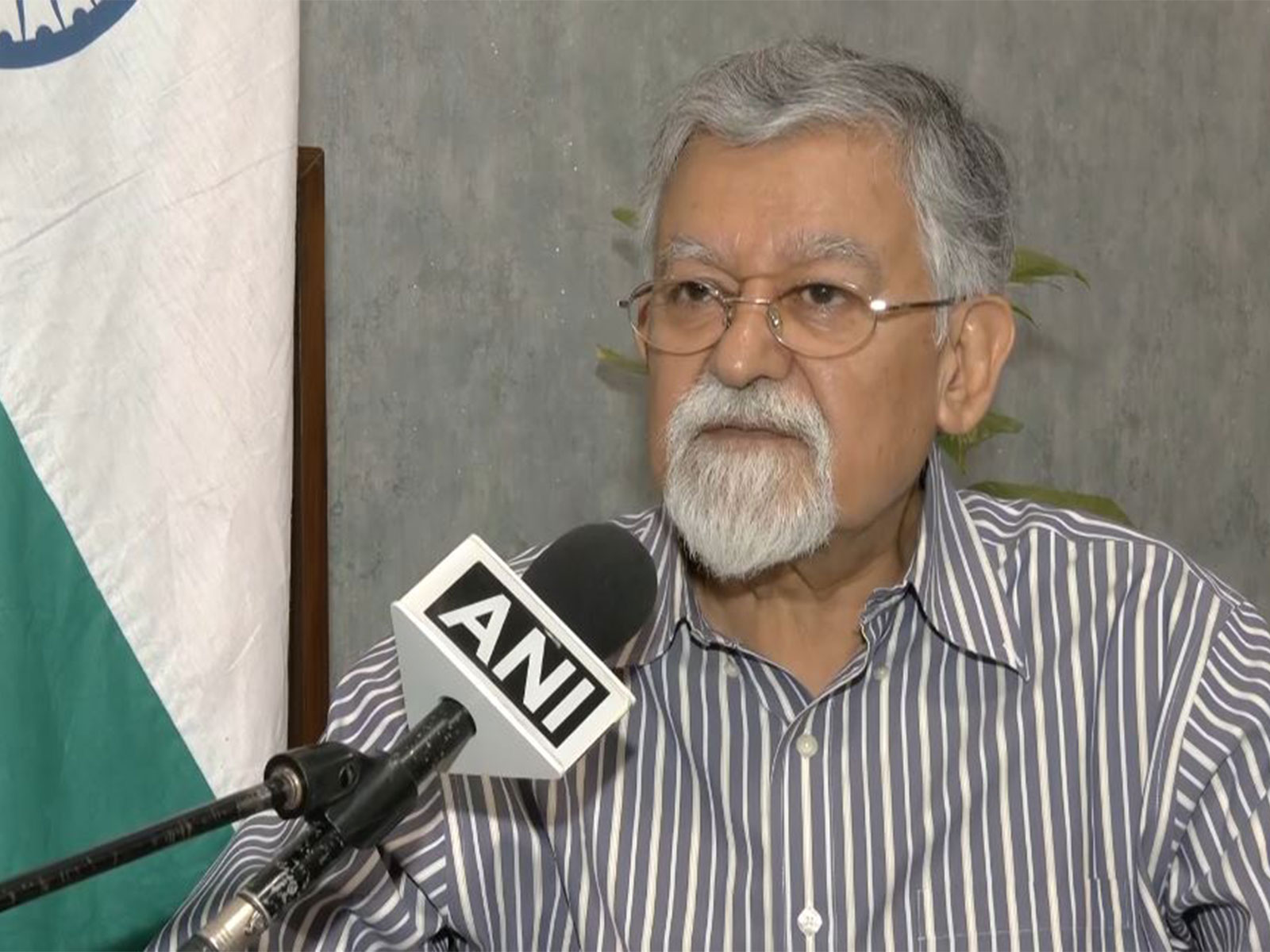
New Delhi [India], January 8 : Land availability, electricity pricing for industry and education and skilling remain key issues for India's manufacturing sector, even as the Indian economy has done remarkably well to cope with prolonged global uncertainty, Arvind Virmani, member of Niti Aayog told ANI.
"Land is one of the most important issues that keeps coming up across the country," Virmani said. "Growing industries need to expand and achieve scale, and for that land remains a serious bottleneck."
Virmani said industrial power tariffs in several states are priced well above the cost of production, effectively acting as a tax on manufacturing and job creation. While the central government has addressed many long-standing hurdles through labour law consolidation, tax reforms and regulatory simplification, he said the remaining constraints lie largely at the state level.
Manufacturing sentiment has also been weighed down by global uncertainty, Virmani said, citing weak demand in advanced economies and instability linked to China, the world's largest exporter of manufactured goods. Falling unit values of Chinese exports have intensified competition globally, discouraging fresh investment in traditional manufacturing sectors.
Human capital remains another critical weak spot. "Education and skilling must produce productive workers," Virmani said, adding that productivity growth is directly linked to wage growth over time. He stressed that reforms must focus on the entire skills pyramid, from basic schooling to vocational training, most of which falls under state jurisdiction.
Initiatives such as the production-linked incentive (PLI) schemes are designed to address these challenges by building scale, quality and cost competitiveness rather than protecting inefficient firms, Virmani said.
Export-linked conditions embedded in the schemes are intended to ensure global competitiveness. "The real test will be how many domestic and international supply chains get built in India," he said, noting that the impact will unfold over several years.
Virmani also cautioned against reading too much into existing industrial data, saying the current index of industrial production (IIP) no longer reflects India's evolving economy. "I really don't find the current IIP very useful," he said, citing its outdated base year and failure to capture newer segments such as startups, the gig economy and emerging sectors.
A revised and rebased IIP is in its final stages and is expected in the coming months, which he said would provide a clearer picture of industrial momentum.
On private investment, Virmani said household savings have increasingly shifted toward financial markets rather than direct investment in physical assets such as housing. While real estate has broadly recovered, tighter fiscal and monetary conditions had slowed momentum, which he expects to reverse as domestic conditions improve.
Foreign direct investment (FDI) has softened largely due to higher dividend outflows rather than a sharp drop in new inflows, Virmani said. Profits earned by foreign firms in India are being repatriated amid global uncertainty.
At the same time, India's deepening capital markets have reduced reliance on foreign capital, shifting focus toward long-term debt markets and high-risk equity aligned with technology and innovation.
He said that the free trade agreements (FTAs) with developed economies are central to India's strategy to integrate into global manufacturing supply chains. Recent agreements with the UK, Oman and New Zealand, along with ongoing negotiations with the European Union, are aimed at accelerating supply-chain diversification.
Despite global headwinds, Virmani said India has coped "remarkably well" with uncertainty, aided by lower oil prices, now around $60 a barrel, and productivity gains from reforms such as the goods and services tax.
Virmani said he had initially forecast growth of 6.5% plus or minus 0.5% for the current year but now sees a rising probability that expansion will exceed 7%.
Over the medium term, he added, reforms have lifted India's potential growth rate by at least 0.5 percentage points, placing underlying growth at around 7% or higher once cyclical and global pressures ease.