"No international law allows regime change through external bombing": Omar Abdullah appeals for calm amid escalating West Asia tensions
Mar 03, 2026
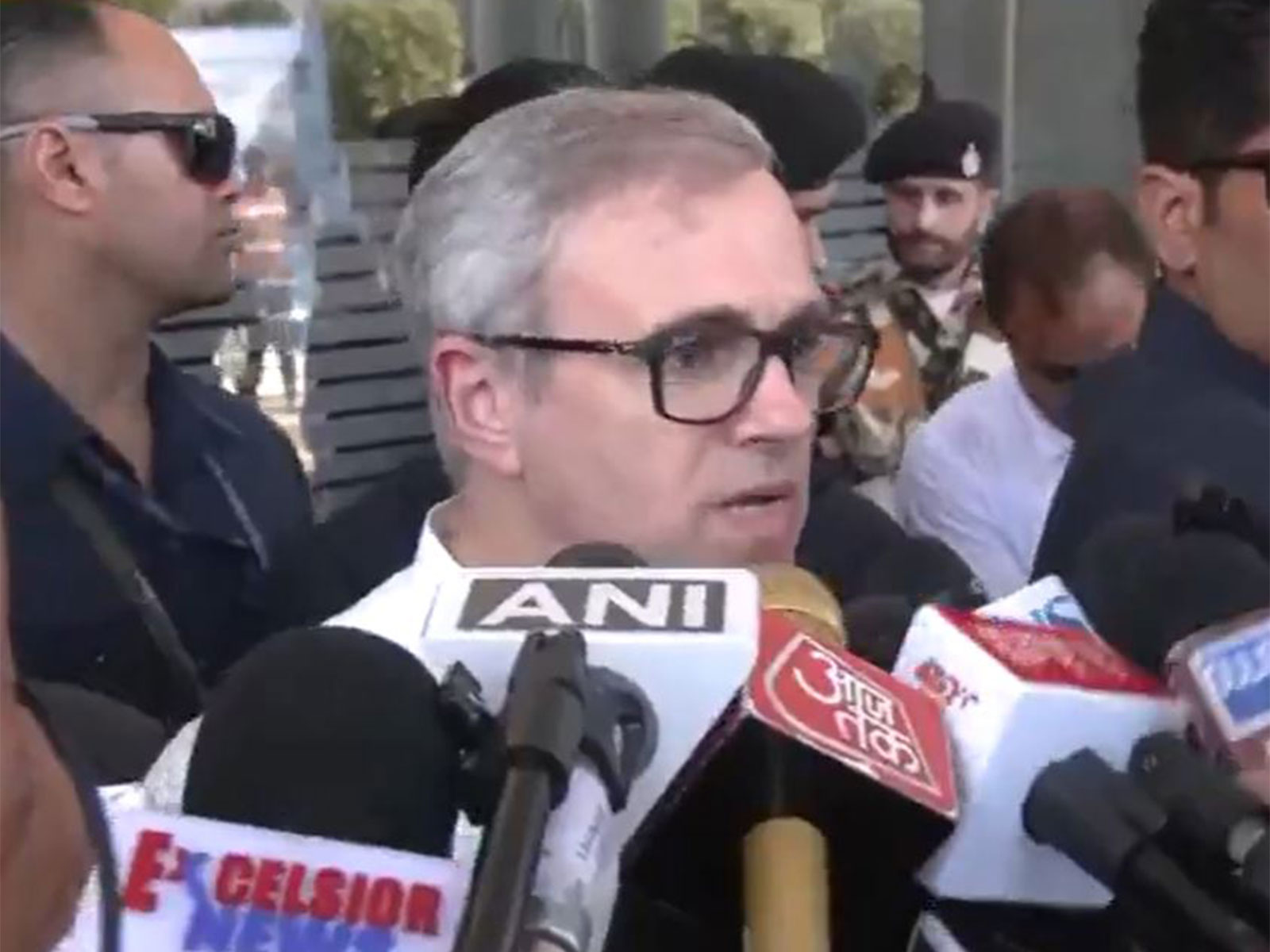
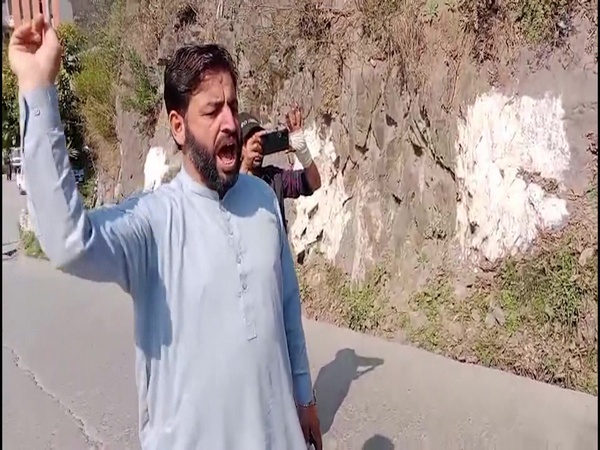
Jammu (Jammu and Kashmir) [India], March 3 : Jammu and Kashmir Chief Minister Omar Abdullah on Tuesday appealed for restraint and calm in the wake of escalating US-Israel military strikes in Iran, emphasising that the people of Iran alone have the right to determine their government.
Speaking to the media, Abdullah condemned the killing of Iran's Supreme Leader Ayatollah Seyyed Ali Khamenei and his family, stressing that no international law permits regime change through external bombing.
"It is up to the people of Iran to decide what kind of government will be in place in Iran. No international law allows for a regime change through external bombing. First, the way Iran's Supreme Leader was brutally assassinated, along with his family members. What law allowed the US or Israel to do this?" Abdullah said, expressing sympathy for the people of Iran.
"First, I express my sympathy to the people of Iran and condemn that attack," he said.
The Chief Minister also urged citizens in Jammu and Kashmir not to let tensions spill over locally. He called on religious leaders to express grief responsibly and avoid taking the law into their own hands.
"But at the same time, I appeal to our people in Jammu and Kashmir not to let the situation escalate. Some people are trying to disrupt the atmosphere. Religious leaders are requested to express their grief but not to take the law into their own hands," he said.
Abdullah confirmed that authorities are in touch with the Ministry of External Affairs and that Indian students in Iran have been moved to safer locations, though some remain unable to leave. He urged them to follow embassy guidelines.
"We are in contact with the Ministry of External Affairs. Our students and others who are in Iran have been shifted to safe places. Some students are not being allowed to leave. I would urge them to follow the guidelines issued by the embassy," he added.
His remarks come as the conflict in West Asia enters its fourth day following US and Israeli strikes on February 28, which targeted Iran's leadership, military installations, and strategic assets. The strikes killed Supreme Leader Khamenei along with other senior figures, prompting retaliatory attacks by Tehran on American and Israeli interests in the region.