No negotiations with US currently: Iran denies sending or hosting delegations "during these days"
Aug 03, 2026
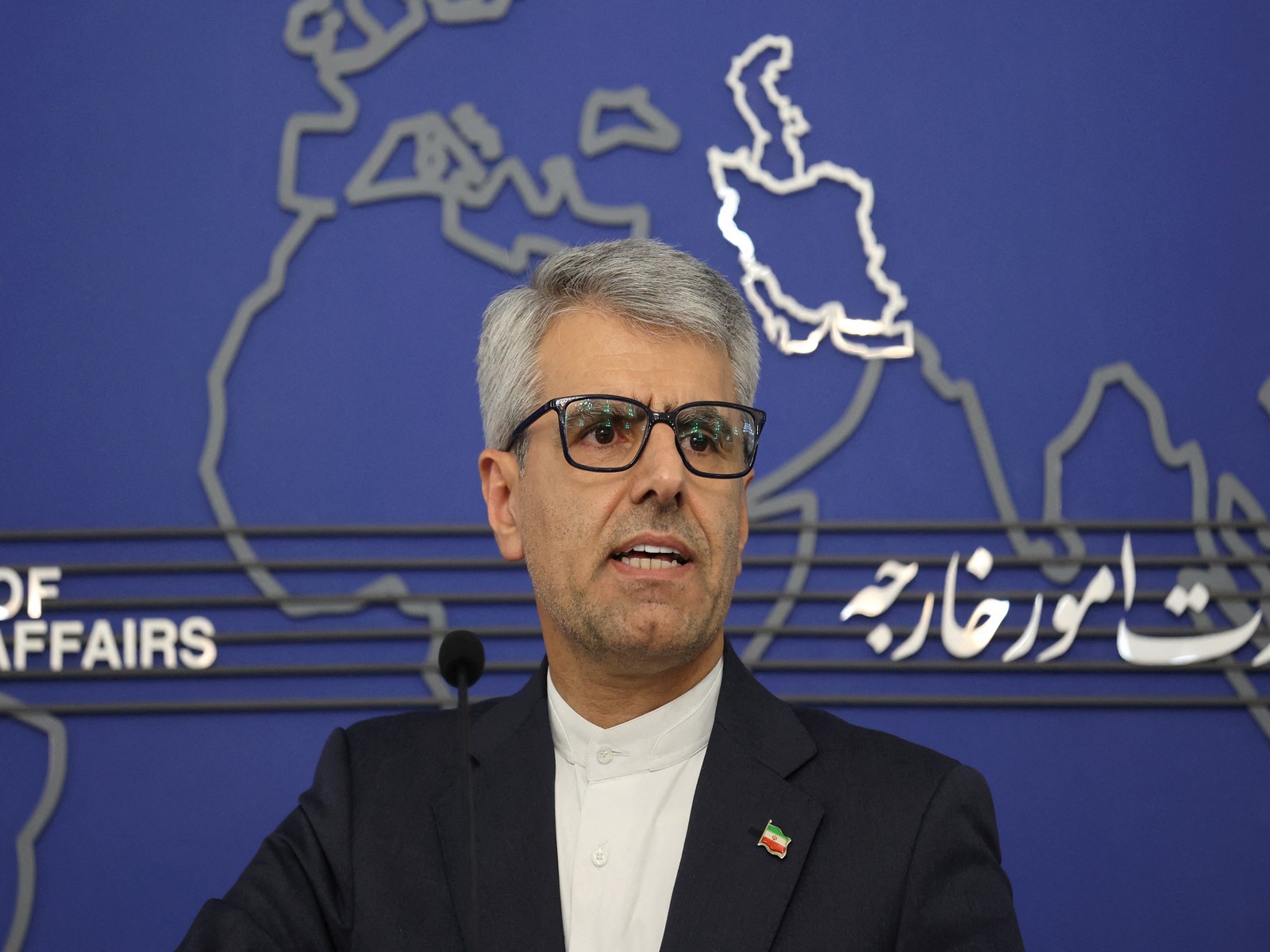
Tehran [Iran], August 3 : Iranian Foreign Ministry Spokesperson Esmail Baghaei on Monday said that his country is not engaged in any direct or indirect negotiations with the United States, firmly dismissing assertions of active bilateral dialogue between Tehran and Washington.
According to Al Jazeera, Baghaei, while addressing the reporters, said that Tehran has no plans to host or send delegations "during these days."
Baghaei stated, "We are not going to host a delegation or be guests of a country during these days."
Meanwhile, Fars news agency reported that Baghaei emphasised that Iran's current diplomatic engagement remains strictly bilateral with neighbouring Oman, centred on establishing a temporary safe passage through the strategic Strait of Hormuz.
Baghaei made clear that the ongoing discussions in Oman are confined strictly to maritime traffic management. While an understanding with Muscat regarding a new temporary shipping lane serves as a technical prerequisite for safe navigation, he stressed that such an agreement is a necessary condition but not sufficient on its own to fully reopen the vital chokepoint.
The continued disruption across the Strait of Hormuz, Baghaei asserted, is a direct consequence of American military operations and the ongoing US naval blockade against Iran initiated earlier this year.
He said that as long as Washington maintains its military presence and aggressive posture, no broader change in the status of the waterway can occur. Decisions regarding any future engagement between Tehran and Washington will only be evaluated at later stages as regional conditions evolve.
"We do not have any negotiations with the United States at the moment. Negotiations are with Oman, focused on reaching an understanding on a route that would ensure the safe passage of shipping through the Strait of Hormuz," Baghaei stated. "Therefore, these negotiations are bilateral between two coastal governments... What happens next must be decided upon."
Reflecting on broader geopolitical dynamics, the spokesperson noted that the military confrontation driven by the United States impacts the security and future of the entire region. He cautioned that the deployment of US forces and the utilisation of military facilities on the southern shores of the Persian Gulf have heightened instability for all neighbouring nations, "noting that it is "natural for regional countries to want to make efforts to prevent this situation from escalating."
"The fact that all countries in the region consider themselves stakeholders in the situation of the region, in the future of the region, and in whatever the region might face, is a positive thing. America's war against the Islamic Republic of Iran is not just a war against one country; it is a war against the entire region and against the security of all countries in the region," he said.
While acknowledging and valuing the de-escalation efforts undertaken by regional governments, Baghaei concluded that Iran's own sovereign authority and military deterrent capabilities remain the ultimate safeguard against external aggression.
"We value these efforts, but experience has shown us that what can ultimately deter the enemy from escalating its malice against Iran is nothing but Iran's authority and deterrent power," Baghaei said.
Baghaei's remarks come as US President Donald Trump stated that negotiations with Iran, expected to take place through intermediaries, are scheduled to commence on Monday.
Addressing reporters on board Air Force One, Trump confirmed that discussion channels were active. The US President revealed that diplomatic engagements involving Saudi Arabia, the United Arab Emirates, Qatar and Iran led him to halt what was originally planned as a "massive attack" on Friday.