Oil companies should have a special window for forex, it will ease rupee depreciation: Report
Mar 31, 2026

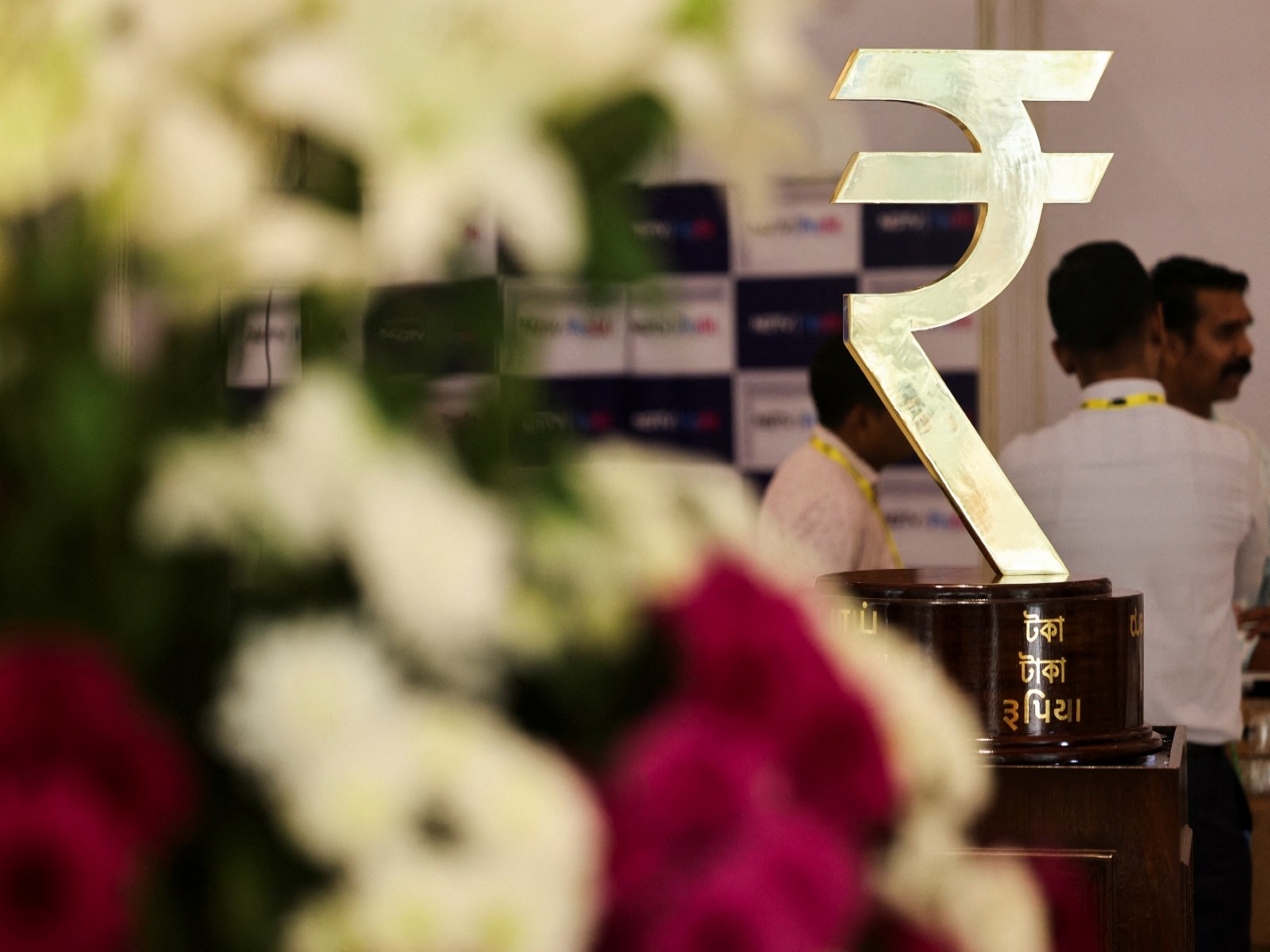
New Delhi [India], March 31 : Amid sharp volatility in the currency markets and pressure on the Indian rupee, a report by the State Bank of India has suggested that oil marketing companies (OMCs) should be provided a special foreign exchange (FX) window to help stabilise the currency.
The report noted that with the rupee witnessing sharp depreciation in a volatile global environment, the large and regular dollar demand from OMCs is adding to market pressure. It is recommended that regulators create a separate mechanism to isolate this demand from the broader market.
"OMCs need to be offered a special window by the regulator that separates their daily demand (around USD 250-300 mn) from the market chores," the report stated.
It further explained that OMCs' annualised demand of around USD 75-80 bn could be taken out of regular market activity through such a window. This would help reduce the noise created by large dollar purchases and provide a clearer picture of genuine demand and supply dynamics in the FX market.
The report also suggested that refinance or swap mechanisms could be built around this special window. Such arrangements would help ensure that there is no immediate pressure on exchange rate movements, thereby supporting the rupee in the near term.
According to the report, this measure would allow regulators to better assess the effectiveness of policy actions aimed at curbing volatility, while also improving transparency in the functioning of the FX market.
The report also emphasised that India's external position remains strong, providing confidence in managing currency pressures. It noted that the country has foreign exchange reserves sufficient to cover more than 10 months of imports
However, the report also highlighted structural challenges. It pointed out that recent efforts by the Reserve Bank of India to rationalise banks' open positions have led to divergence between onshore and offshore markets.
Domestic banks are generally long in onshore markets and short offshore, while foreign banks follow the opposite trend.
To further manage currency and interest rate pressures, the report recommended that the regulator consider measures such as "Operation Twist," which would involve pushing up short-term yields while moderating long-term yields to keep reference rates aligned with policy rates.
It also suggested that liquidity conditions be actively managed to support the rupee and maintain stability in financial markets.