Opportunity, not imposition: SC urges Tamil Nadu to hold talks with Centre to establish Navodaya Vidyalayas in state
Dec 15, 2025
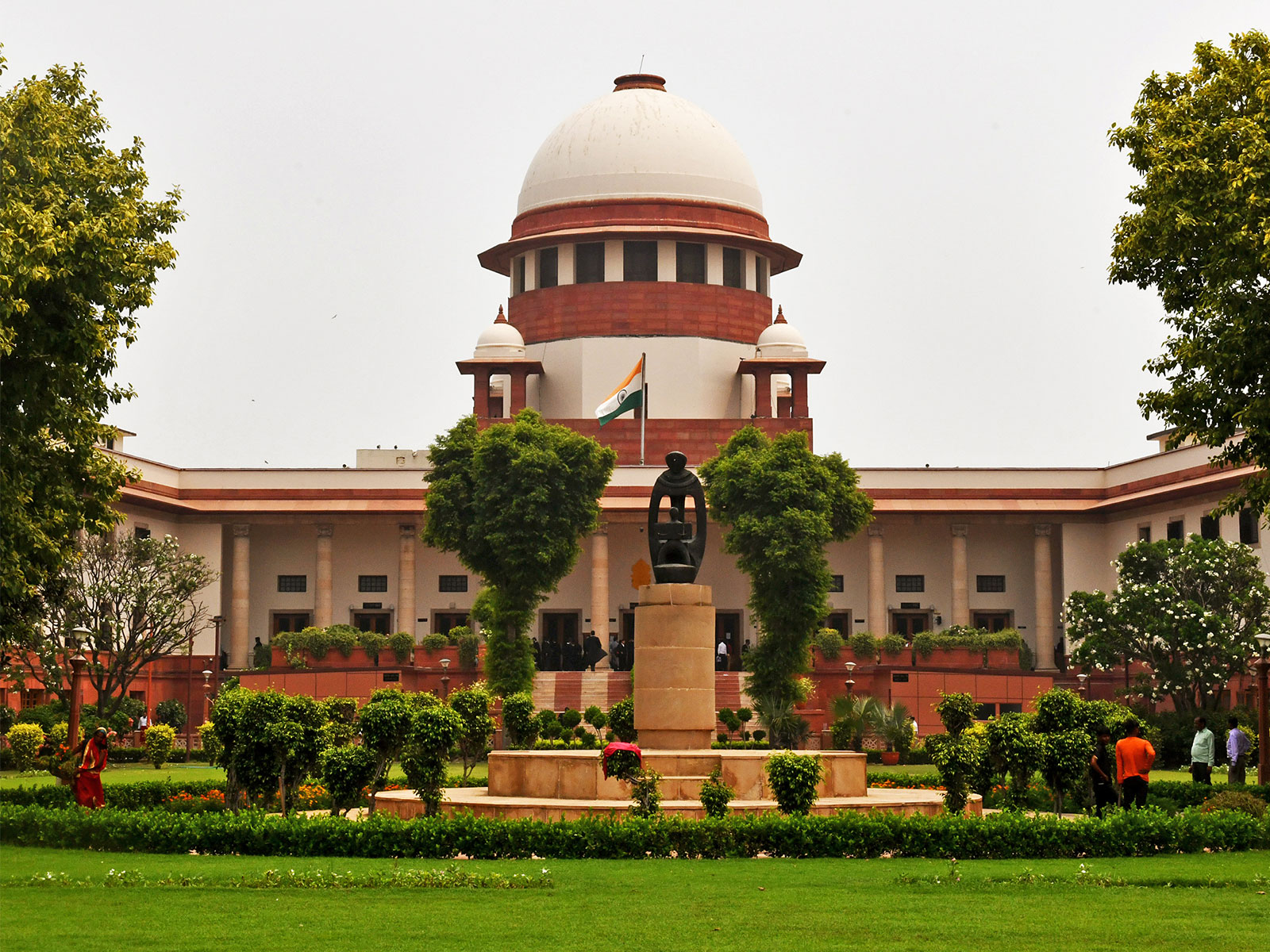
New Delhi [India], December 15 : The Supreme Court on Monday directed the Tamil Nadu government to hold discussions with the central government on the issue of establishing Jawahar Navodaya Vidyalayas (JNVs) in the state.
A bench of Justices BV Nagarathna and R Mahadevan also asked the Tamil Nadu government to ascertain the extent of land necessary for establishing JNVs.
The apex court was hearing a plea filed by the Tamil Nadu government challenging the Madras High Court's order directing the State government to establish JNV schools in the State.
During the hearing, Senior counsel P Wilson, appearing for the Tamil Nadu government, argued that the Centre should adopt a two-language formula in line with the State government's policy, instead of a three-language formula, as has been adopted in the Centre's 2020 National Education Policy (NEP).
The counsel representing the Centre, on the other hand, contended that the State government want to thrust the Hindi language.
However, the top court urged the parties not to make this a language issue. It asserted that the aforesaid directions regarding the establishment of JNVs are in the interest of education among rural students.
"Don't make it into a language issue. We are a federal society. You are part of the Republic. If you come one step forward they will also come one step forward. We have passed the aforesaid directions only in the interest of those students who are entitled to be admitted to such schools in the state of Tamil Nadu. We are not on Hindi we are on rural students getting the education", Justice Nagarathna said.
The Supreme Court told the Tamil Nadu government that it could place its two-language policy before the Centre and the latter would consider the same, rather than spatting over the issue.
"You can't have this my state, my state. This attitude must go. You come one step. They will also come one step", the apex court verbally said.
Further, the apex court said the state government should view this as an opportunity rather than an imposition.
"Don't take it as an imposition, it is an opportunity for your students. You can say this is our language policy. They cannot also discredit your policy", the top-court judge said.