Opposition calls excise duty cuts "politically motivated", BJP hits back over "petty" remarks
Mar 27, 2026
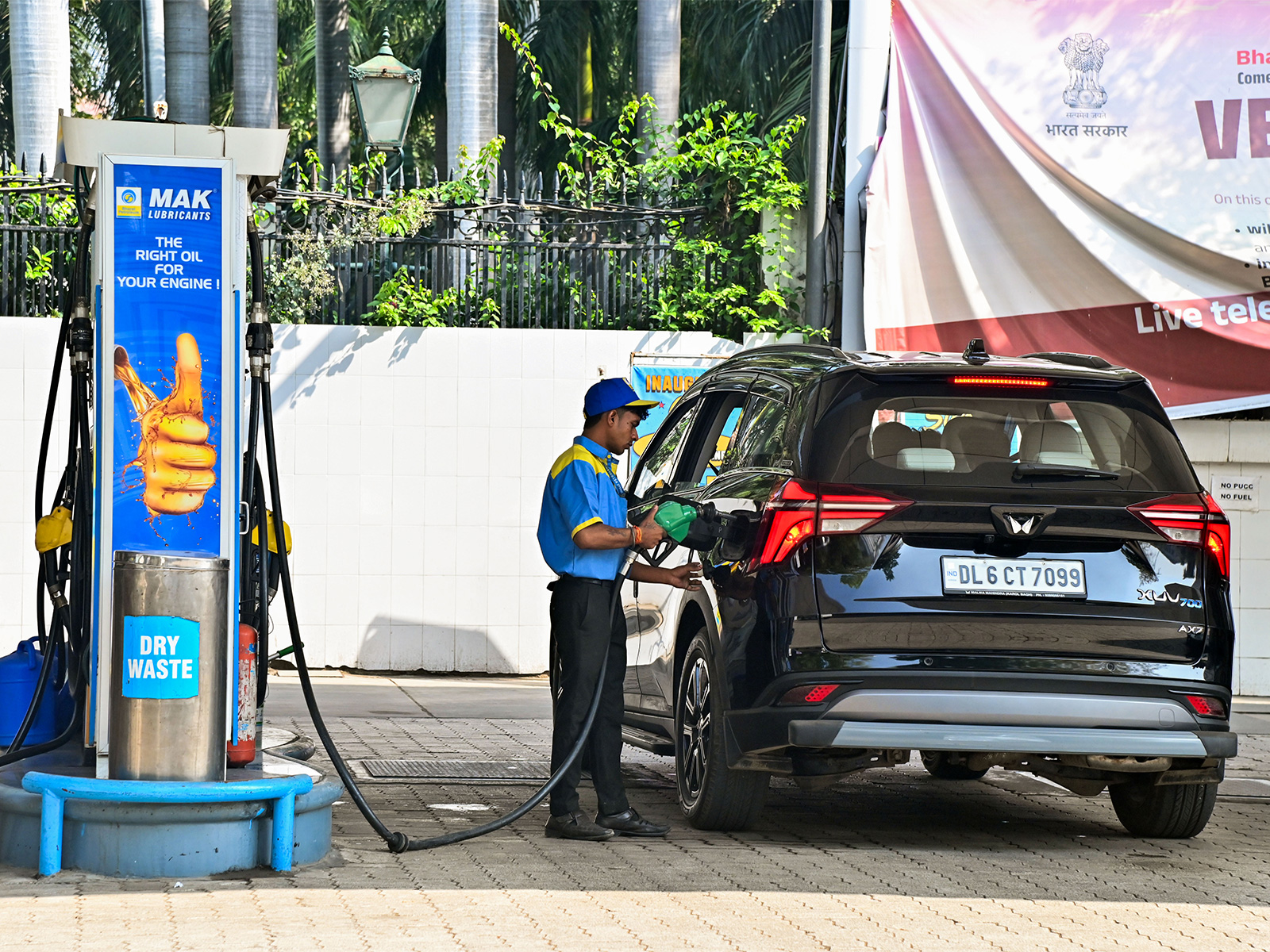
New Delhi [India], March 27 : Amid the West Asia crisis and rising crude oil prices, Centre on Friday reduced special excise duty on petroleum products to keep petrol and diesel prices stable, inviting criticism from Congress, which saw the move as being "politically motivated" ahead of Assembly elections in four states and one union territory.
Congress MP Jairam Ramesh pointed out that when global crude oil prices fell in the past 12 years, the government did not reduce consumer fuel prices in India. He asserted that it was made solely because of the impending elections and to wait till April 30.
"When global crude oil prices fell as they did on seven different occasions in the past 12 years, consumer prices in India were not reduced. Today's announcement was because of the assembly elections. Wait till April 30th," the post read.
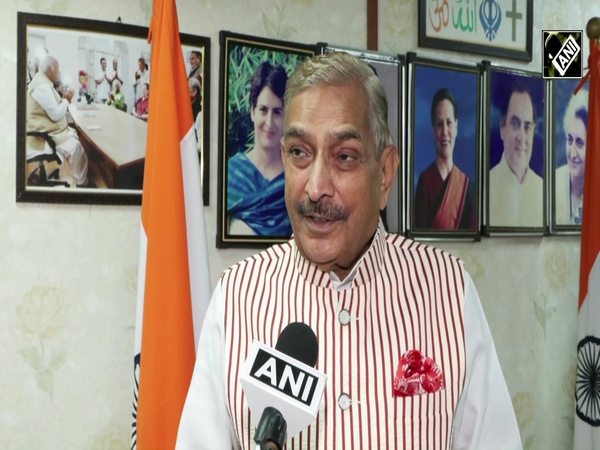
Congress leader Pawan Khera questioned the real beneficiaries of these cuts, claiming that it favours oil marketing companies instead of consumers.
"For whom was it reduced? Was it reduced for you or for me? If you and I go out right now and take our car to get petrol filled, will we pay less? We will still pay the same amount we were paying before. So, on whom is this 'favour' being bestowed, claiming that they have reduced it?" he asked.
"This is called 'Special Additional Excise Duty'. The very name implies that it is superfluous. This unnecessary excise (duty) that you had imposed on us, you are reducing it for the Oil Marketing Companies (OMCs), not for us. We will still pay the same as we were paying," Khera added.
Congress MP Rajiv Shukla said, "I think this is entirely a political move and an attempt to gain political advantage, in which the burden will be recovered from the public in other ways."
Congress MP Manickam Tagore launched a sharp attack on the Centre, accusing Prime Minister Narendra Modi of "looting" the common public and giving it to big corporates.
"This government has looted the ordinary people with ten rupees per litre, three rupees... these kinds of charges which they had put on excise and looted each Indian. And now, because of the rising oil prices across the globe, they are coming out saying they want to reduce it. Because the oil prices in the market will rise, to stabilise that, they are making these kinds of announcements," he told ANI.
The sharp criticism of Congress drew reactions from BJP leaders, who termed the Opposition's remarks as "petty and shameful."
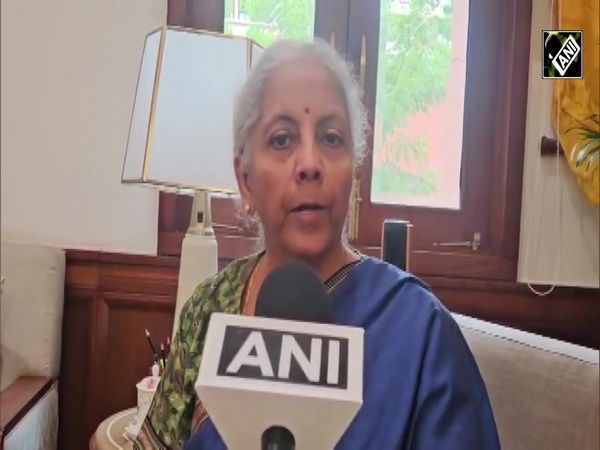
Union Finance Minister Nirmala Sitharaman hit back and said, "Just shows how petty they can become. I don't think there can be anything more petty than this. You are bringing politics into something which is a relief for the public. This is shameful."
Karnataka Leader of Opposition R Ashoka cornered Congress for linking the decision with elections, accusing them of having a tendency to criticise every decision.
"The price reduction should not be linked to elections. Elections happen throughout the year in the country. Whatever good measures are taken, Congress leaders criticise them. They are doing the same now as well," R Ashoka said.
BJP Karnataka President, BY Vijayendra, said, "The Congress Party has no other business to do. The only agenda of the Congress Party, as well as Rahul Gandhi, is to keep attacking Narendra Modi ji, insulting India on the international stage. This is the only agenda followed by the Congress Party as well as Rahul Gandhi."
The duty on petrol has been cut from Rs 13 to Rs 3 per litre, while diesel duty has been reduced from Rs 10 to zero.
At the same time, the government has revised taxes on Aviation Turbine Fuel (ATF). A new excise duty of Rs 50 per litre has been introduced. However, exemptions will limit the effective duty to Rs 29.5 per litre, easing the burden on the aviation sector.
The notification says "Aviation Turbine Fuel Rs 50 per Litre" as a special additional excise duty, alongside exemptions that cap the effective rate at "Rs. 29.5 per litre" in certain cases.
Other changes in excise duties have also been made to help maintain overall stability in fuel prices.
The new rules will not apply to exports, except for supplies by public sector oil companies to neighbouring countries such as Nepal, Bhutan, Bangladesh and Sri Lanka, which will continue under the revised system.
Amendments to the Central Excise Rules, 2017, also state that rebate and export procedures will not apply to petrol, diesel and ATF, except for exports to these neighbouring countries by public sector firms.
The government said the changes are in the public interest, aiming to balance consumer relief, revenue needs and industry requirements amid global energy uncertainty.