Pakistan: Ventilator shortage hits Islamabad public hospitals, leaving patients on unending waitlists
Jul 27, 2026
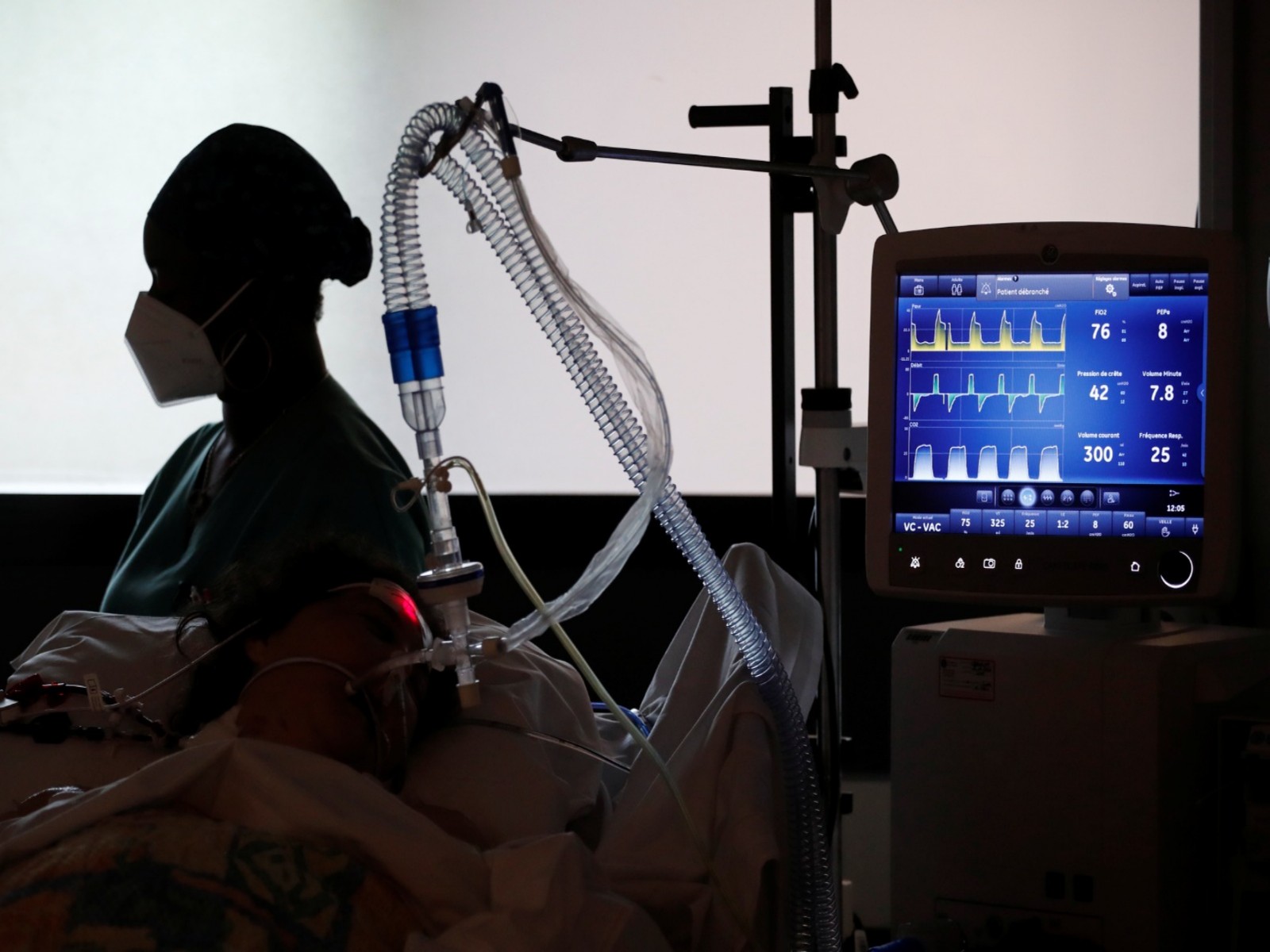
Islamabad [Pakistan], July 27 : A severe shortage of ventilators in Islamabad's major public hospitals has created a critical bottleneck in life-saving care, leaving intensive care units perpetually full and forcing doctors to manage an unending waitlist of critically ill patients.
According to DAWN, the crisis recently claimed the life of journalist Abid Raza Kazmi at the Pakistan Institute of Medical Sciences (PIMS). After Kazmi suffered a stroke, doctors advised placing him on life support, but all 12 ventilators in the ICU were occupied. His family attempted to transfer him to a private facility, but he died before the arrangements could be completed.
Pakistan Institute of Medical Sciences (PIMS) Executive Director Dr. Rana Imran Sikander informed DAWN that despite having over 90 ventilators across various specialised ICUs, nearly 100% remain occupied. He noted that in departments like neurology and pulmonology, patients often require life support for around 20 days.
Sikander explained that the shortage stems from a mix of financial constraints, severe staffing shortages, and massive population growth. Originally built when Islamabad's population was 500,000, PIMS now caters to 5 million people nationwide under a strict "no refusal" policy, often forcing staff to accommodate critical patients on stretchers.
Similarly, Polyclinic Hospital Spokesperson Dr. Abdul Jabbar Bhutto told DAWN that all 35 ventilators at his facility remain constantly occupied. Dr. Bhutto emphasised that adding more equipment alone would not resolve the crisis due to a severe shortage of human resources required to run them.
Bhutto added that this influx is intensified by private hospitals charging up to Rs 300,000 per day, driving even well-off families to seek public ICU beds. Routine maintenance of the existing machines is also frequently delayed, as staff struggle with the ethical challenge of removing a patient to service a unit.
He added that essential planned periodic maintenance (PPM) for the equipment is frequently delayed because removing a patient from a machine for servicing presents significant ethical and practical difficulties, Daw reported.
Looking toward long-term solutions, PIMS is adding a new block with 40 additional ventilators through government initiatives, though officials stress that public health awareness and lifestyle changes are needed to reduce overall hospital admission rates.
On the manufacturing front, former Science and Technology Minister Fawad Chaudhry noted that domestic production of high-end ventilators stalled following the COVID-19 pandemic, suggesting Pakistan pursue joint ventures with Chinese firms to build local technical capacity, Dawn reported.