Pakistan's outdated education system draws criticism from top Rawalpindi students
Aug 08, 2026
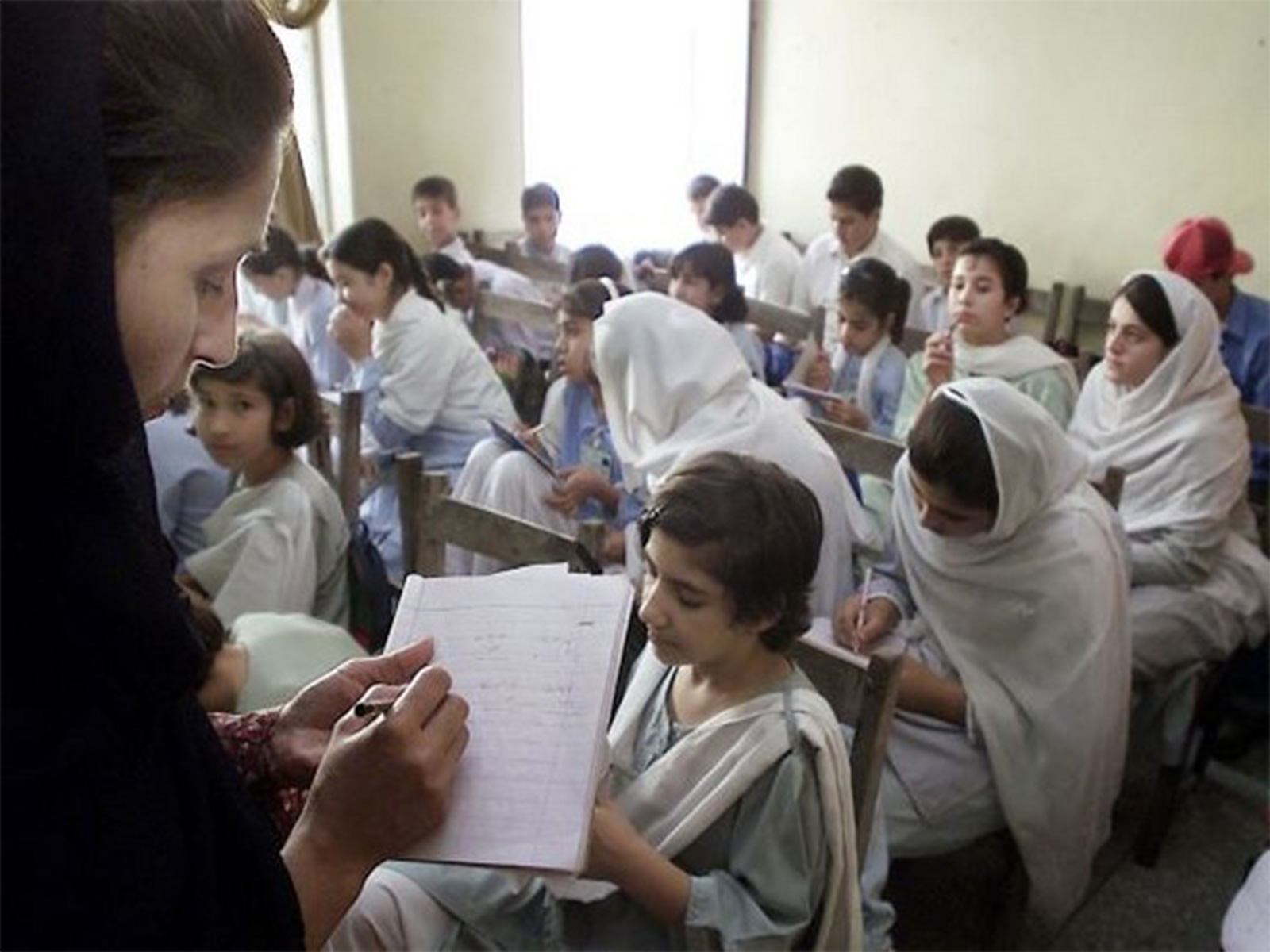
Rawalpindi [Pakistan], August 8 : Pakistan's education system has come under criticism after top performers in the Rawalpindi Board of Intermediate and Secondary Education (BISE) examinations urged authorities to introduce sweeping reforms, arguing that the country's curriculum and teaching methods have failed to keep pace with global scientific and technological progress.
The students said the existing education framework relies heavily on rote memorisation and does not adequately prepare young people for higher education, research or professional careers, as reported by The Express Tribune.
According to The Express Tribune, speaking after the announcement of the annual examination results, the position holders called for a comprehensive overhaul of the national curriculum, stressing that Pakistan's education policies must reflect the changing demands of the modern world.
They maintained that outdated teaching practices continue to limit students' critical thinking, innovation and practical skills, placing them at a disadvantage in an increasingly competitive global environment.
The students also urged policymakers to formulate political, economic and educational policies in accordance with the Constitution, democratic values, the rule of law and ethical principles. They argued that meaningful reforms in these sectors are essential to ensure long-term national stability, economic growth and institutional development.
More than 25 million school-age children in Pakistan remain outside the education system despite the government's declaration of a National Education Emergency over two years ago, exposing serious failures in policy implementation and governance, as reported by Geo News.
According to Geo News, a policy review prepared by the Civil Services Academy (CSA) concludes that Pakistan's education crisis is no longer driven by a lack of planning but by poor execution, weak institutions, inadequate funding, fragmented administration and ineffective coordination between federal and provincial authorities.
The report estimates that between 25.1 million and 26 million children are currently out of school, making Pakistan home to the world's second-largest out-of-school population. While provinces have developed education roadmaps under the National Education Action Plan 2026, the review says these commitments have largely failed to translate into meaningful progress due to governance failures and widening implementation gaps.