Post-Article 370 farming revolution takes root in Jammu & Kashmir
Aug 06, 2026
Bhadarwah (Jammu and Kashmir) [India], August 6 : Government support, improved infrastructure and growing entrepreneurial participation are driving a transformation in Jammu & Kashmir's horticulture sector, helping farmers move beyond traditional cultivation to value-added products and wider markets since the abrogation of Article 370 in 2019.
Horticulture remains one of the strongest pillars of the Union Territory's economy, with an annual turnover of around Rs 12,000 crore, according to the Department of Horticulture. The Jammu Division alone contributes more than Rs 1,400 crore annually. Around 1.19 lakh hectares are under fruit cultivation, producing nearly 2.47 lakh metric tonnes of fruit every year.
Recognising horticulture as a thrust sector, the Government of Jammu & Kashmir has rolled out several centrally sponsored and UT-backed schemes to improve productivity, promote value addition, strengthen cold-chain infrastructure and expand market linkages.
These initiatives are encouraging a new generation of entrepreneurs to convert traditional crops into branded products with national and international appeal.
One such success story is emerging from Lethpora village in Pampore, where entrepreneur Owais Magray has established a Kahwa processing unit producing traditional Kashmiri Kahwa powder and ready-to-use blends using saffron, green tea, spices and dry fruits.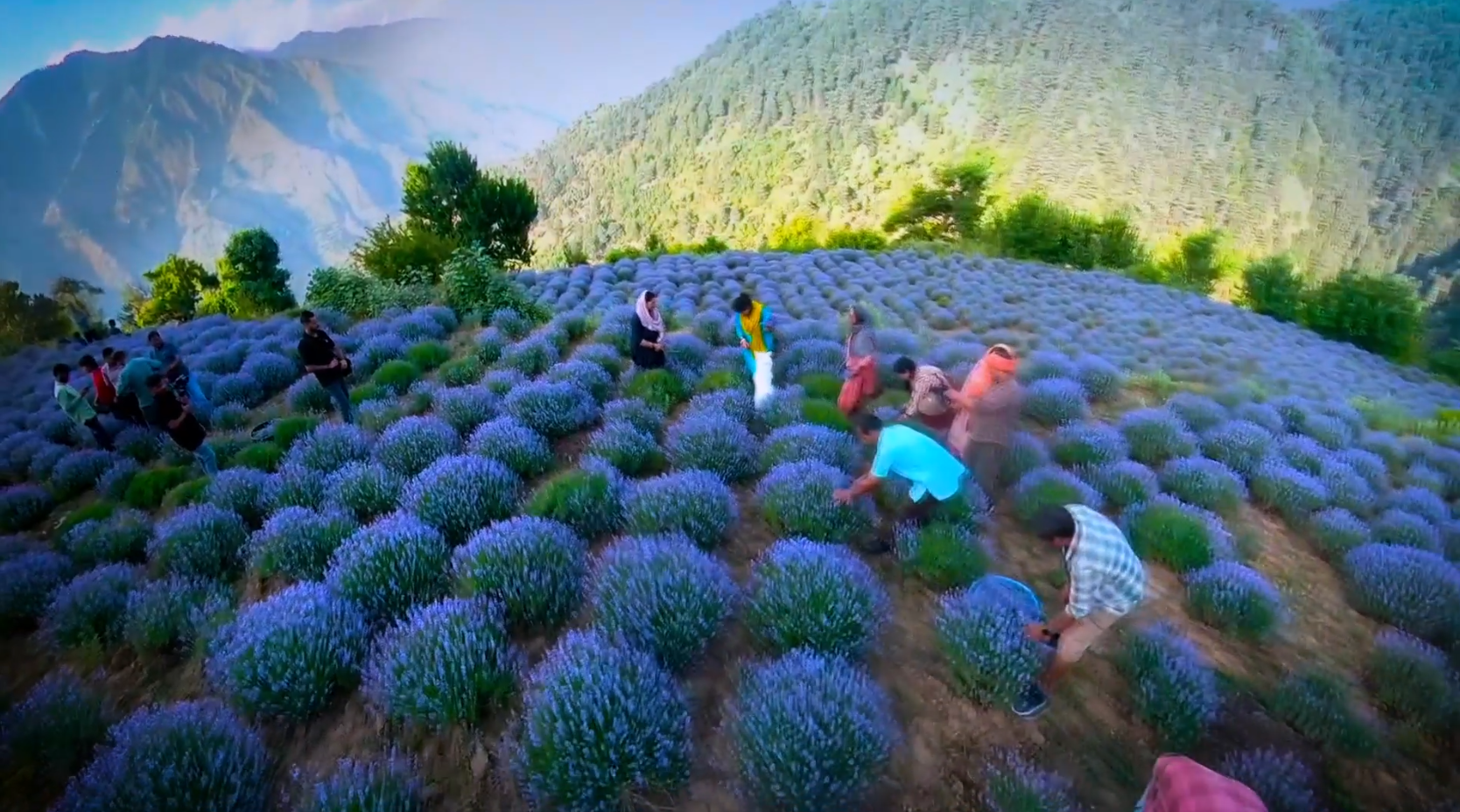
Today, the products are sold across major Indian cities, including Delhi, Mumbai and Maharashtra, besides popular tourist destinations such as Srinagar and Gulmarg, while exports have also begun reaching select international markets.
"The demand for Kashmiri Kahwa has grown significantly. It has helped us expand beyond Jammu & Kashmir while creating employment opportunities for local people and benefiting growers," Magray said.
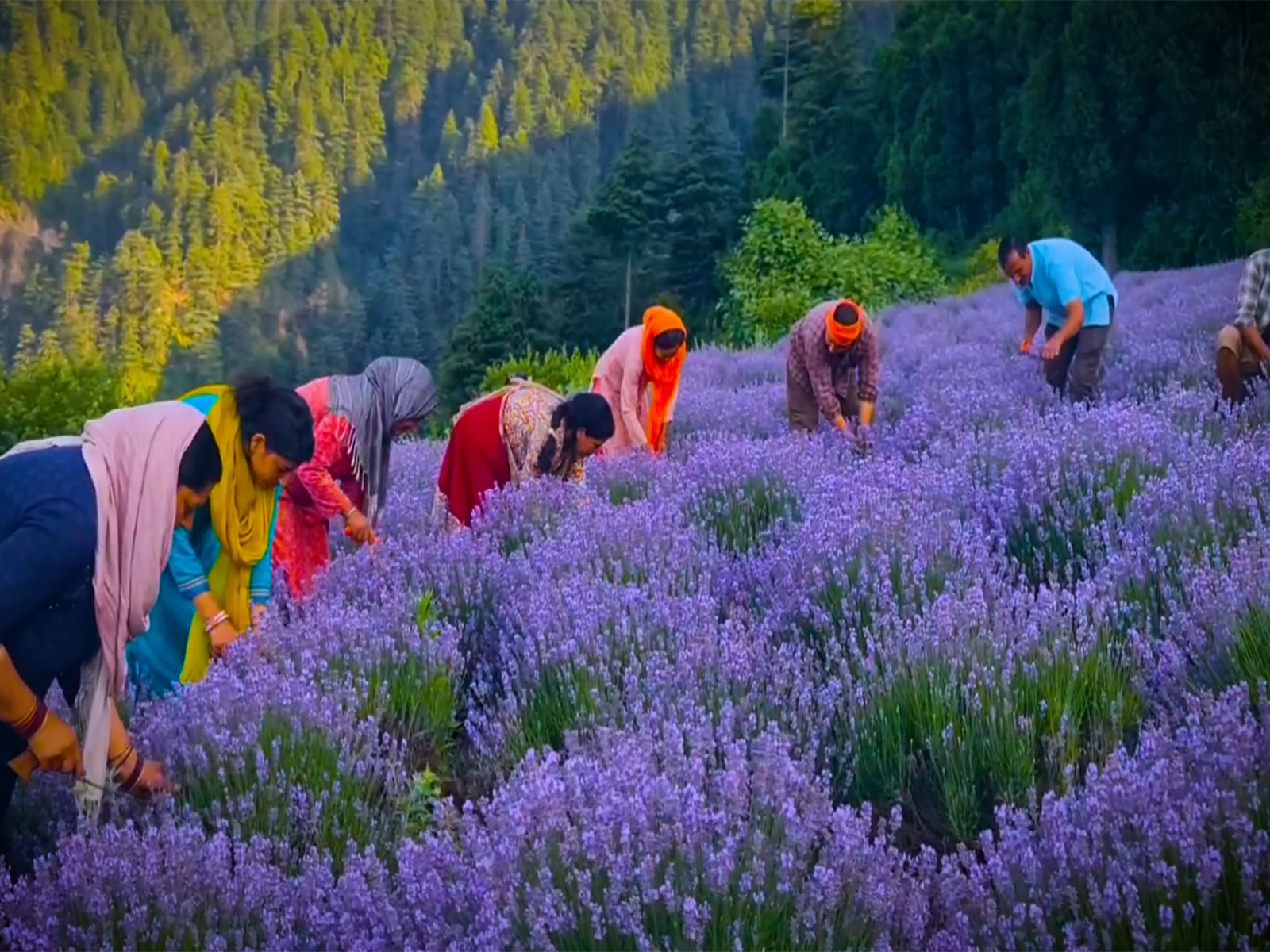
A similar transformation is underway in Bhaderwah in Jammu Division, where lavender cultivation has emerged as a high-value alternative to conventional farming. Supported by government initiatives under the Purple Revolution, farmers are increasingly shifting towards lavender cultivation because of its higher returns.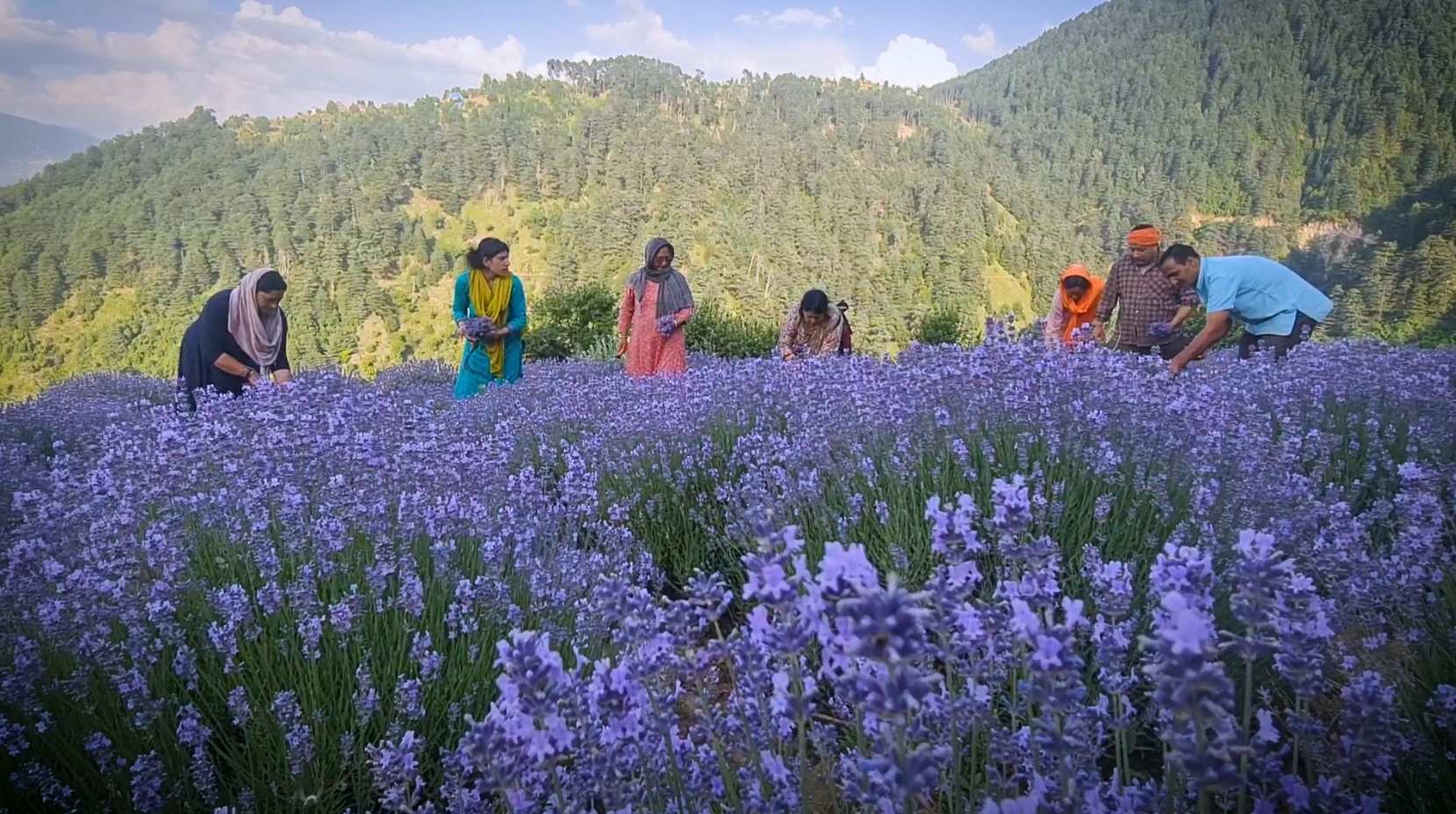
Farmer Bharat Bhushan said lavender farming has increased his income by nearly four times compared to traditional crops, encouraging many others in the region to adopt the crop.
The growth of lavender cultivation has also created opportunities for rural entrepreneurship. Agri-entrepreneur Arjun Raina processes locally grown lavender into essential oil, supplying fragrance and cosmetic manufacturers that use it in soaps, shampoos, perfumes and personal care products.
"The demand from industries is increasing steadily, creating new business opportunities for local youth and encouraging more people to enter value-added processing," Raina said.
Officials say the combination of government support, improved connectivity, better market access and rising private investment has helped strengthen the horticulture ecosystem across the Union Territory in recent years.
From premium Kashmiri Kahwa to lavender essential oil, Jammu & Kashmir's horticulture sector is increasingly moving up the value chain.
The transformation is generating employment, promoting rural entrepreneurship and enabling locally produced goods to reach consumers across India and overseas, reflecting the region's evolving economic landscape in the years following the abrogation of Article 370.