President Murmu outlines India's vision for global leadership and rural prosperity
Jan 28, 2026
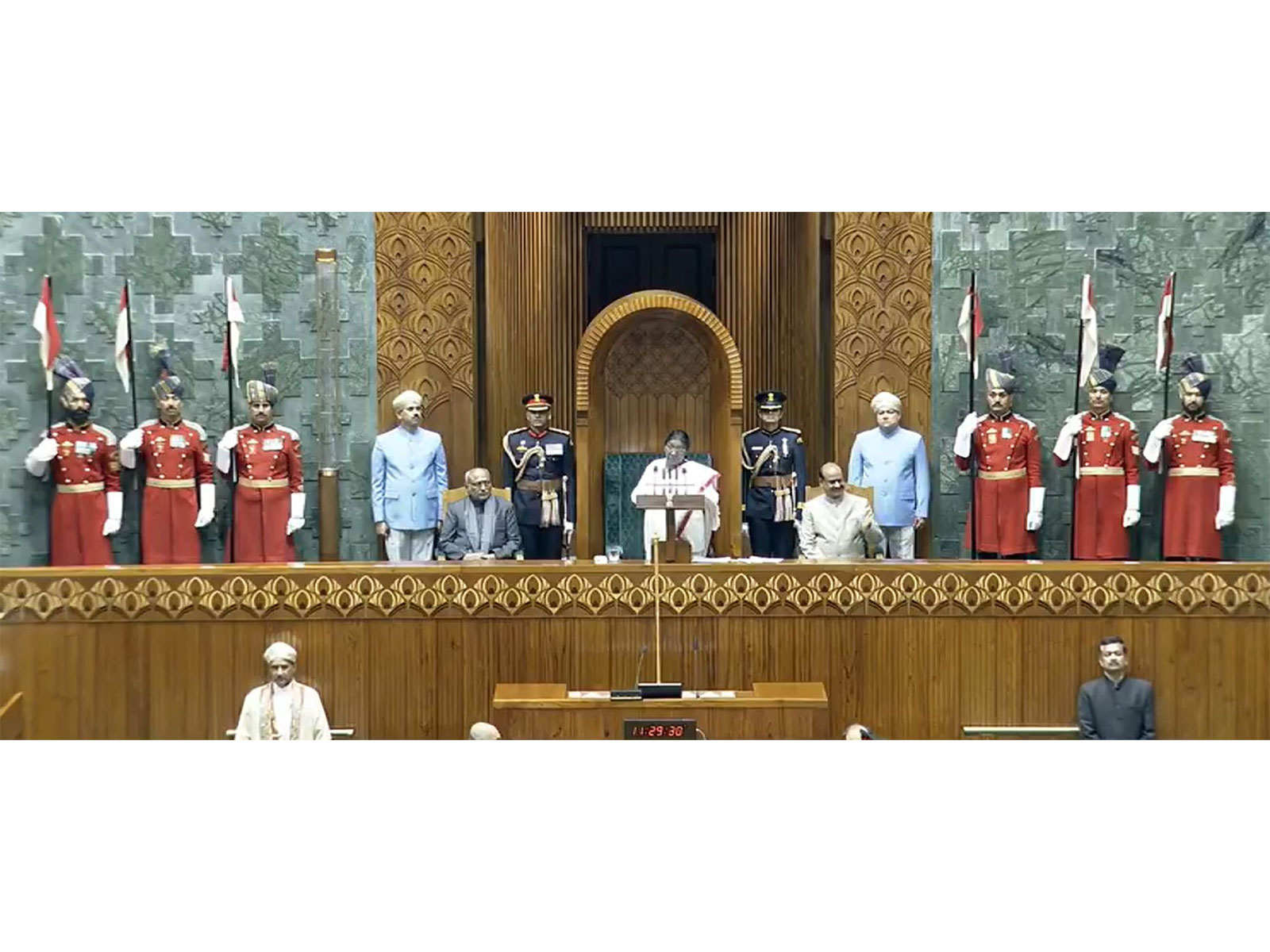
New Delhi [India], January 28 : Addressing the joint session of Parliament at the start of the Budget Session today, President Droupadi Murmu highlighted India's growing economic trajectory and the transformative reforms in the rural parts of the country.
The President noted that the nation's manufacturing sector has reached unprecedented milestones, specifically in high-tech exports. "In the first five months of the financial year 2025-26, India's smartphone exports crossed Rs 1 lakh crore," she stated, adding that the reach of Indian industry is expanding into green mobility. "This year, India has begun exporting electric vehicles to more than 100 countries."
Turning her focus to the energy sector, President Murmu emphasised the shift toward sustainable power as a key pillar of national growth. She pointed out, "Apart from nuclear energy, India is also making rapid progress in the solar power sector. So far, 2 million rooftop solar systems have been installed."
Highlighting a major legislative reform for rural India, President Murmu introduced the Viksit Bharat-G RAM G law as a cornerstone for future village-level development. This new framework is designed to provide a stronger safety net and more consistent work opportunities for rural citizens. "For employment and development in rural areas, Viksit Bharat-G RAM G law has been formed," the President announced. She also highlighted the direct benefits of this reform for the rural workforce, stating, "With this new reform, there will be 125 days of employment guarantees in villages."
The President also detailed a comprehensive strategy to bolster the agricultural economy and diversify the income sources of India's farmers. Central to this vision is the promotion of traditional crops on the international stage. "To increase farmers' additional income, the government is continuing its efforts to promote the 'Shri Ann' scheme at the global level," she said.
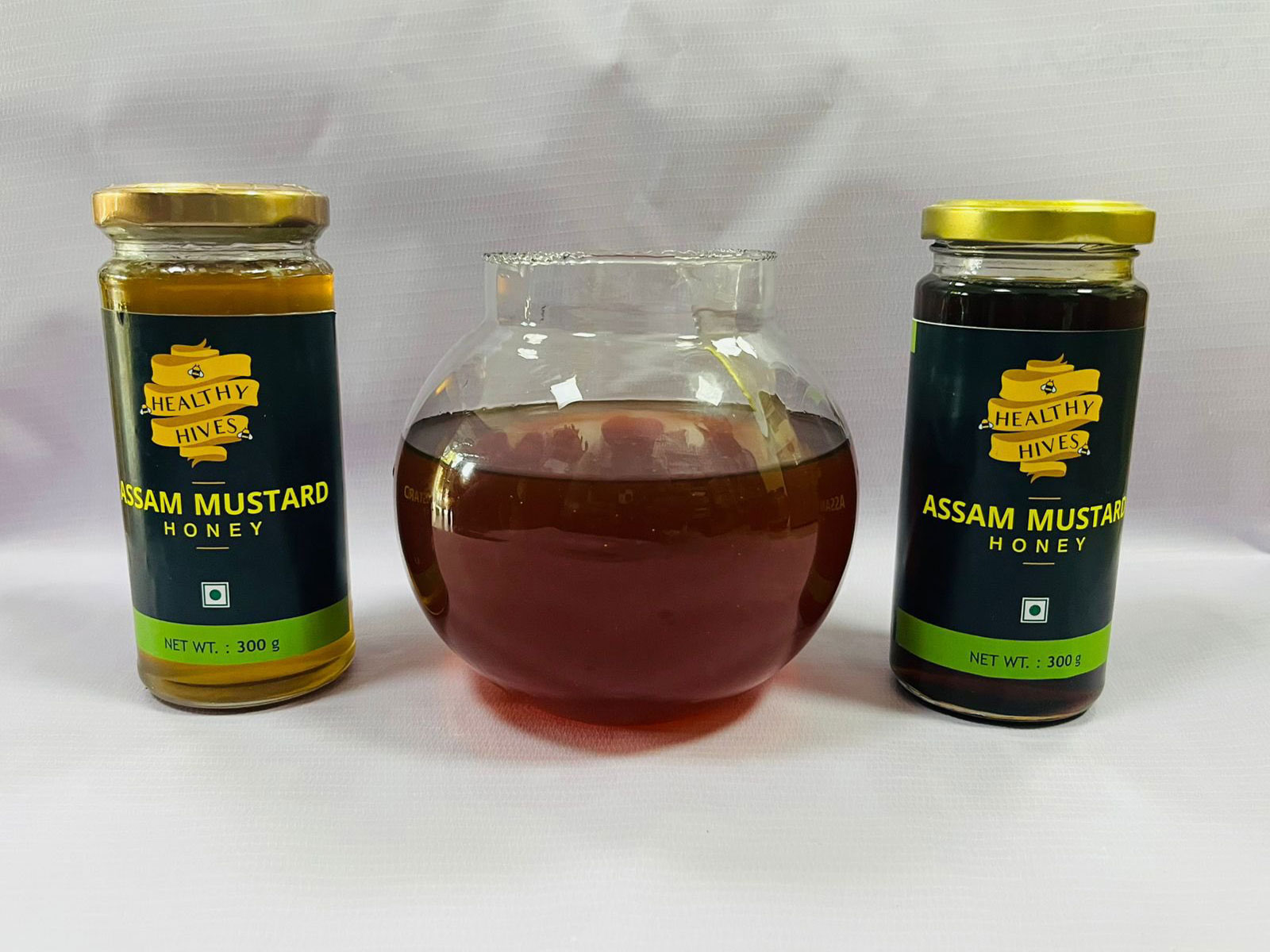
She further explained that the modern farmer is no longer limited to traditional cultivation. "Today, farmers are being connected to pathways of economic growth not only through food grain production but also through animal husbandry, fisheries, and beekeeping."