Private sector better equipped to build a strong drone manufacturing system: Defence Production Secretary Sanjeev Kumar
May 20, 2026
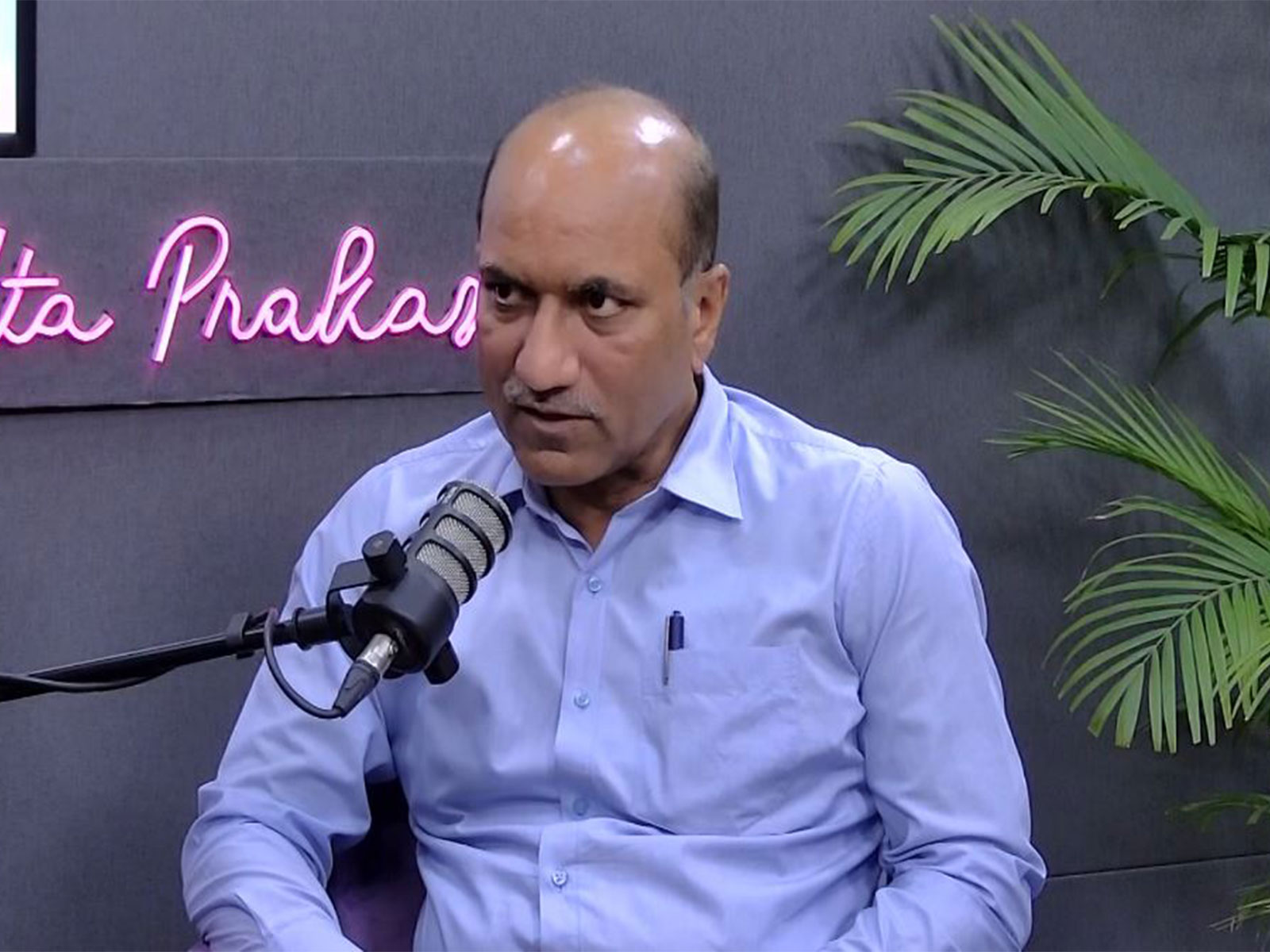
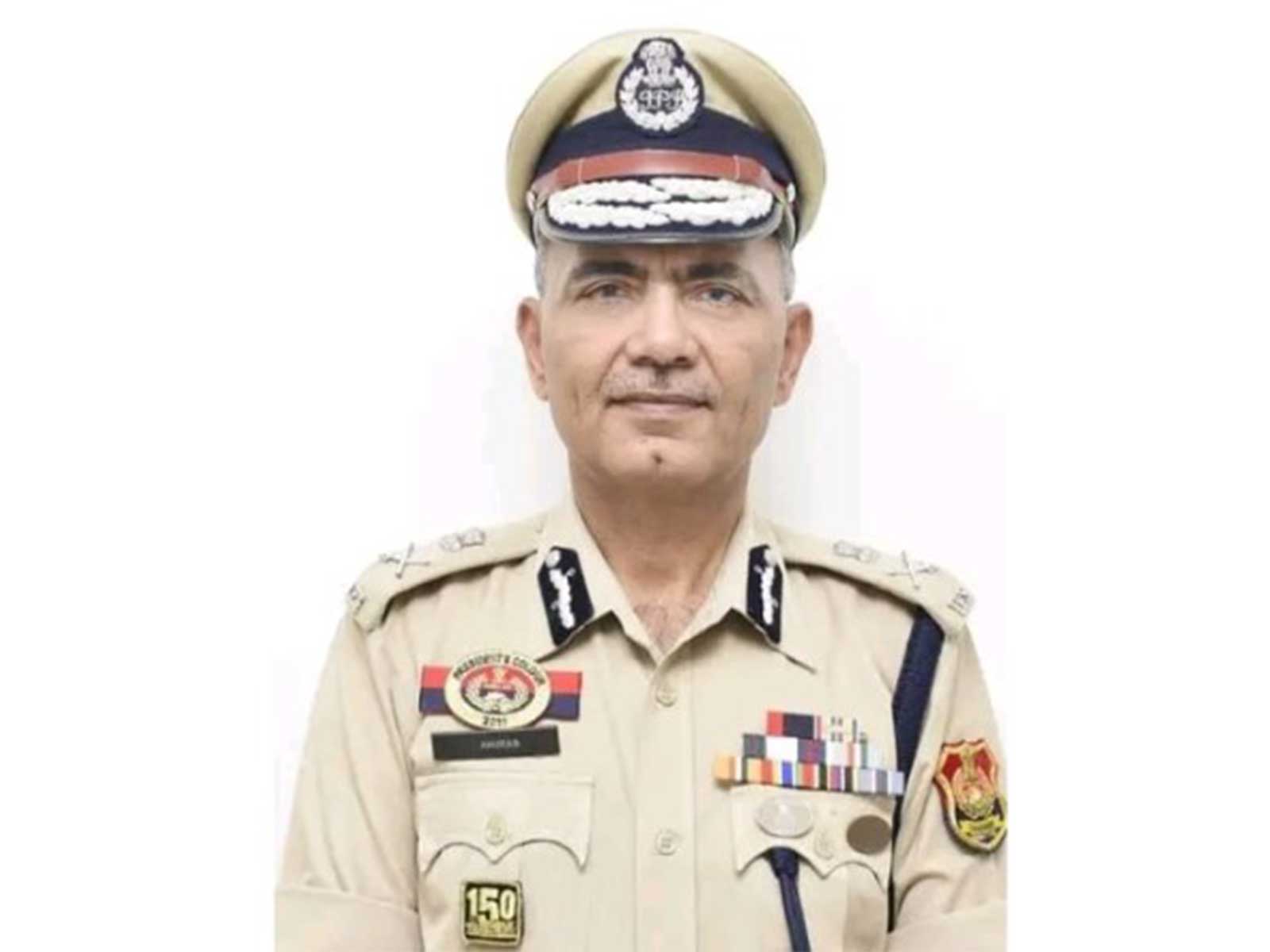
New Delhi [India], May 20 : Defence Production Secretary Sanjeev Kumar has said that the private sector in the country is better equipped and more efficiently organised to build a strong drone manufacturing ecosystem.
In an interview with ANI, Sanjeev Kumar said India will have to focus on dual-use technology, where civilian factories can quickly shift to defence production during wartime.
He said the government's policy focus is to increase private sector participation in defence production, a direction reflected in initiatives from the Department of Defence (DoD), Department of Defence Production (DDP) and Defence Research and Development Organisation (DRDO).
"One is that the ministries and the government's objective is to increase private sector participation, and this is clearly visible in our policies, either coming from DOD, DDP or DRDO. And second is that the private sector, by its nature of organisation, is much quicker, swifter. And now drones, per se, require that type of quicker and swifter response. So structurally also, the private sector is better equipped, better organised to handle the requirement of creating a good drone manufacturing system," he said.
He added that much of India's early drone manufacturing has come from the civilian sector, and these companies are now successfully expanding into defence production as well.
Kumar also said that Defence Public Sector Undertakings (DPSUs) are not heavily involved in most categories of drones, except for a few working on high-end systems.
"The private sector was there, and they are able to replicate their success in the defence sector also. So, DPSUs by and large are not very much involved in drones, barring one or two DPSUs that are working on high-end drones. But generally in other categories of drones, the private sector is very capable," Kumar said.
Defence Minister Rajnath Singh said in March this year that India must work in a mission mode to emerge as a global hub of indigenous drone manufacturing in the next few years.
He stressed the urgent need to build a drone production ecosystem to ensure strategic autonomy, enhance defence preparedness and make the country self-reliant in view of the present geopolitical uncertainties.
The Defence Minister said that the ongoing conflicts, ranging from the Russia-Ukraine war to the tensions between Iran and Israel, are proof that drones and counter-drone technologies are destined to play a pivotal role in future warfare, and self-reliance in drone manufacturing is essential not merely at the product level, but at the component level as well.
"From the drone's molds to its software, engines, and batteries, everything must be manufactured in India. This is no easy task. In most countries where drones are manufactured, a significant number of critical components are currently imported from China," he said.
Rajnath Singh added that while the creation of any nation's defence industrial ecosystem relies on the contributions of large industries, MSMEs, start-ups, and innovators, it is equally driven by a clear policy push from the government, tailored to meet the country's specific defence requirements.
He called for active contribution of the private sector and extended the government's full support to transform India into a global hub for indigenous drone manufacturing.
Over the past two decades, drone technology has emerged as a transformative tool globally and India is rapidly leveraging its potential across different sectors.
The structured and expanding drone ecosystem is augmenting defence capabilities, national security, apart from reshaping public service delivery, infrastructure management and agriculture.
The government has played a pivotal role in accelerating the transition through "policy reforms, simplified regulations, and robust digital governance mechanisms".