Prolonged West Asia conflict could push Rupee beyond 110 against USD, Nifty below 20,000: Bernstein
Mar 25, 2026
New Delhi [India], March 25 : A prolonged conflict in West Asia lasting through much of 2026 could have severe consequences for India's economy, including sharp currency depreciation and a steep fall in equity markets, according to a report by Bernstein.
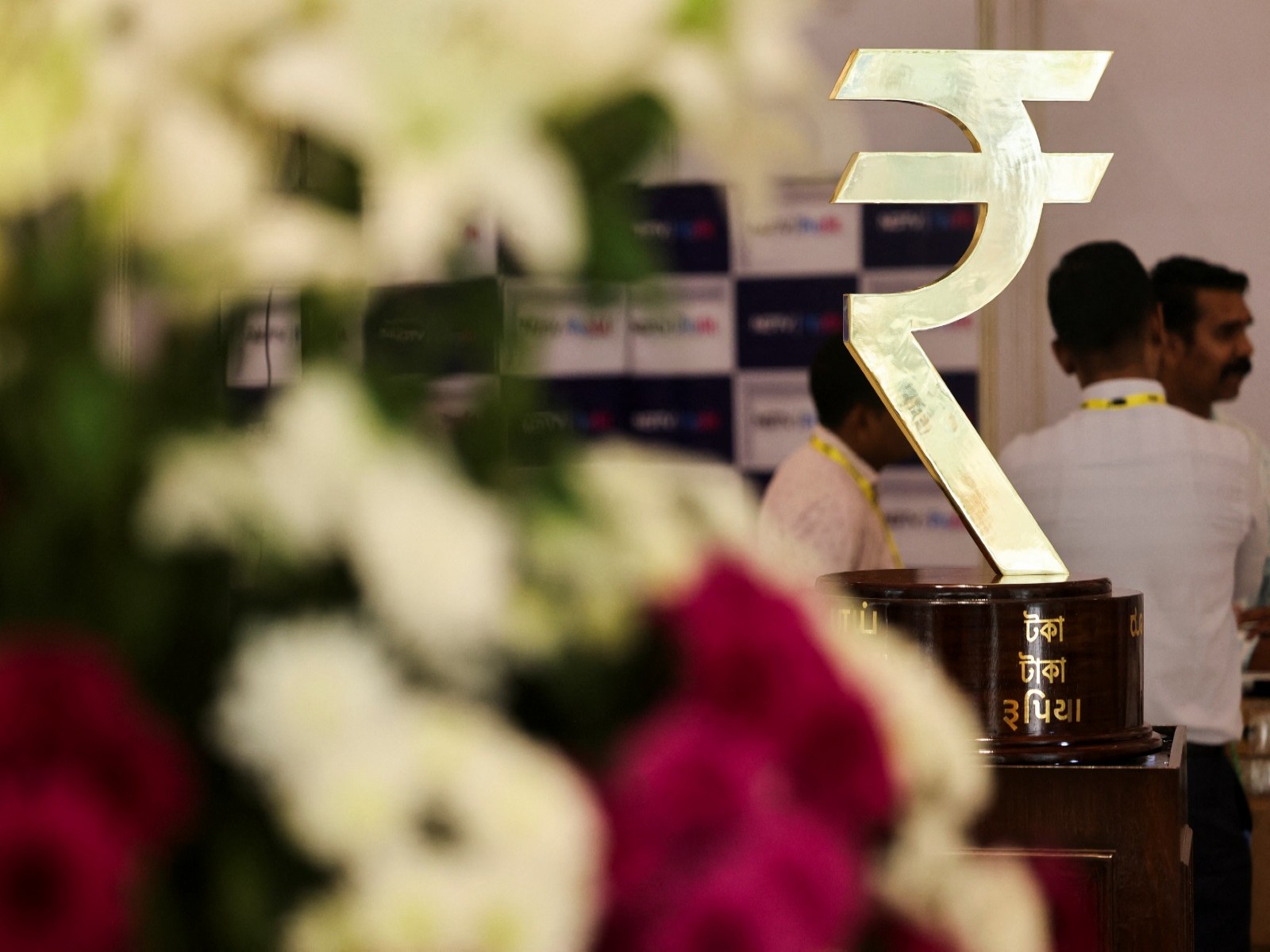
The report warned that in a worst-case scenario, the Indian rupee could weaken beyond 110 against the US dollar, while benchmark indices like the Nifty 50 could fall well below the 20,000 level.
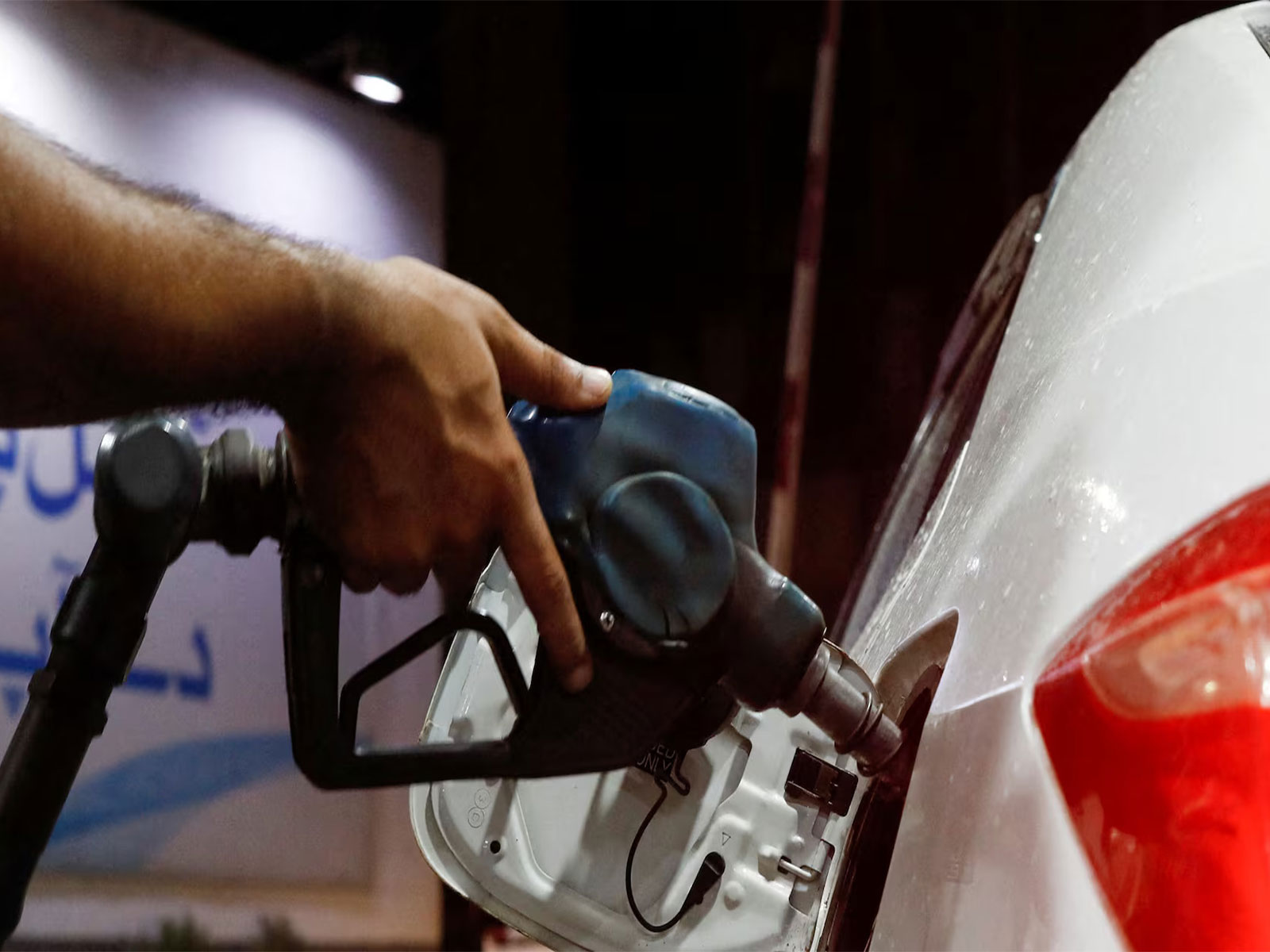
It highlighted that India's strong economic performance over the past decade has been supported by relatively low crude oil prices.
"India's bright story on the global stage for the last several years had one common denominator - crude staying exceptionally low," the report stated.
Between 2014 and 2021, crude prices remained largely below USD 80 per barrel, with only a brief spike in October 2018. Even during the Russia-Ukraine conflict, crude prices stayed above USD 100 per barrel only for a limited period between March and August 2022 before falling below USD 80 by early 2023.
The report noted that this dependence on low crude prices exposes India to external shocks. If the current conflict persists, the economic impact could be significant.
"If one were to consider the conflict lasting for much of 2026, the repercussions could be catastrophic: supply risks, double-digit inflation, economic growth in 2-3 per cent range, rupee beyond 110 and Nifty going well below 20,000," the report stated.
It also warned that higher interest rates, which may be required to control inflation, could further impact credit growth, potentially delaying recovery for several quarters.
The report added that damage to oil and gas infrastructure in the region has worsened the situation, making the issue broader than just disruptions in the Strait of Hormuz.
Recovery timelines for affected infrastructure could range from a few days in cases of precautionary shutdowns to several months where facilities have been damaged.
Additionally, countries are expected to increase petroleum purchases and build reserves once the situation stabilises, which could keep crude prices elevated in the near term, even if they fall below USD 100 per barrel.
The report also projected that inflation in India could breach 6 per cent during the summer months, which may delay expected rate cuts by at least two quarters and weigh on economic growth.
So the report cautioned that India remains vulnerable to global energy shocks, and prolonged geopolitical tensions could significantly impact growth, inflation and financial markets.