Prosecution, evolving legal framework in counter-terrorism probes among key agendas of 'Anti-terror Conference'
Dec 24, 2025
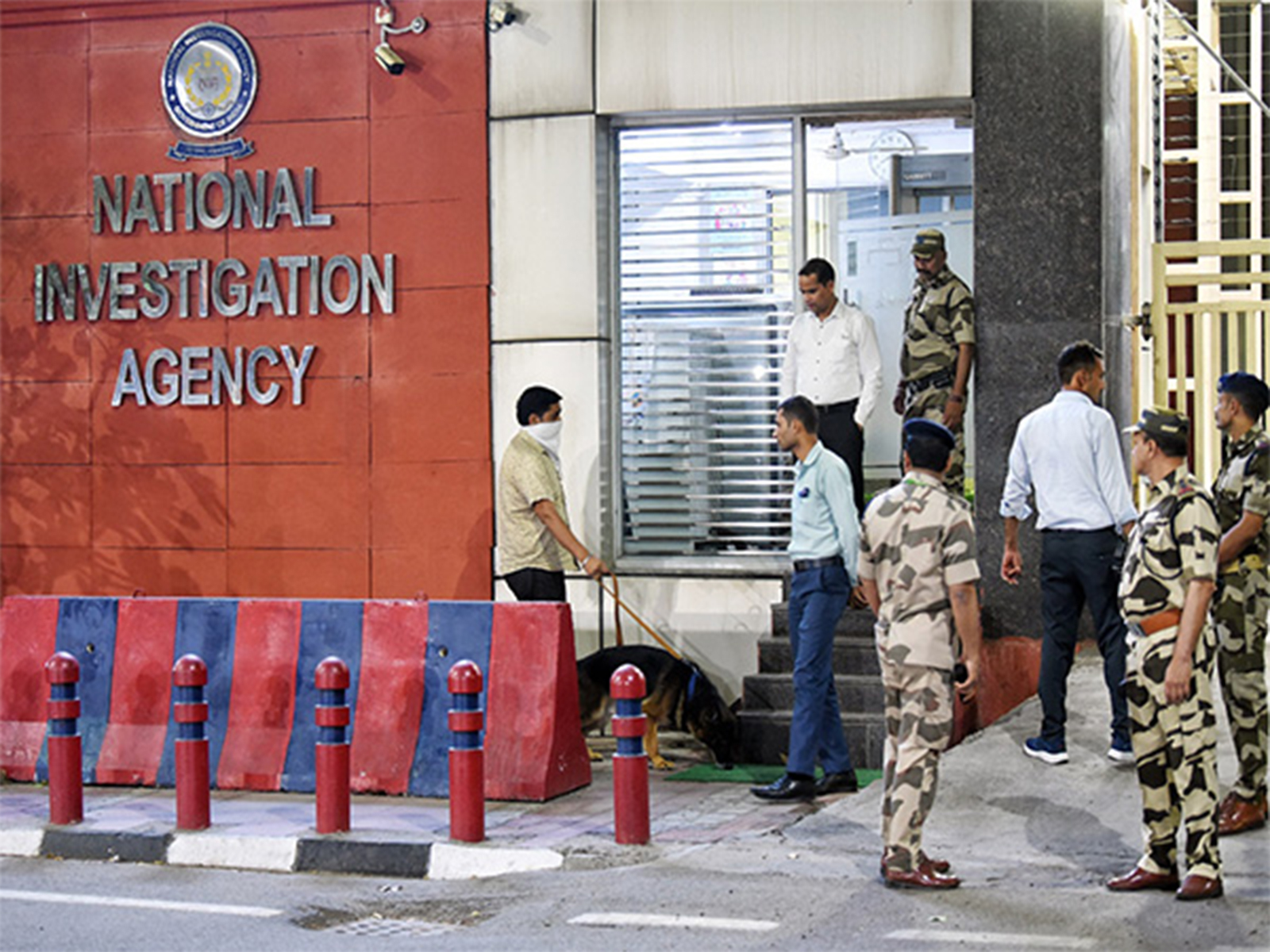
New Delhi [India], December 24 : Focussing on strengthened prosecution-led counter-terrorism efforts across the country and evolving legal framework governing terror investigations to be the key agenda of the two-day National Investigation Agency's 'Anti-Terror Conference' beginning from December 26 in the national capital.
The deliberations will centre on the sharing of operational experiences and best practices, the use of emerging technologies to counter terror networks, mechanisms for improved international legal cooperation, and strategies to dismantle terror ecosystems operating in different counter-terrorism theatres across India.
The conference, to be inaugurated by Union Home Minister Amit Shah, is also learnt to review the progress made on the consensus and recommendations adopted at last year's meet. In last year's National Investigation Agency's (NIA's) two-day Anti-Terror Conference, there was consensus among various central and state agencies and police forces on the need for stronger collaborative efforts backed by a standardised strategy to combat the menace of terrorism, particularly with respect to cybercrime and financial terrorism. The conference then focused on the need for a unified approach to deal with terrorism across states in the interest of national security. Consensus then also emerged during the sessions on the importance of a holistic, well-rounded strategy, encompassing the entire national framework extending from the government down to the lowest levels of policing and investigation.
As the tone of last year's conference saw intense discussions on key terror-related topics and concerns through five thematic sessions, this year's conference may include some key announcements by the Home Minister.
The previous year's conference witnessed several announcements made by the Union Home Minister linked to far-reaching measures to make India's anti-terror fight more impactful, including the formulation of a National Counter-terrorism Policy and Strategy to fight the entire 'ecosystem' of terrorism. The Home Minister may discuss or share some developments on the policy this year, as suggested by the sources.
Underlining the government's commitment to creating a strong ecosystem against terrorism and eliminating it, the Home Minister in the last year's conference also emphasised the need for adoption of a coordinated approach, from police stations up to the DGP office, to deal with new challenges like terror financing and crypto. He will review all these issues at this meeting.
Emphasis on a coordinated strategic approach to tackle terrorism, the need for closer cooperation and enhanced coordination among the agencies and state forces would also be part of the review this year, said the sources, citing the Union Home Minister's push for transformation of the "need to know" approach into a "need to share" and ultimately a "duty to share" culture, in order to foster a robust ecosystem against terrorism.
A total of 39 heads of state police, Central Police Organisations, Central Armed Police Forces, in addition to over 150 delegates from 29 state and Union Territory police and 31 central organisations, are expected to attend the two-day conference.
The conference is learnt to be marked by a series of brainstorming sessions focused on 'Prosecution and evolving legal framework in CT investigations'; Significant case studies in terror investigations - learnings, experiences and innovations'; 'Emerging technologies: Challenges and opportunities'; 'Dismantling terror eco system'; and 'Comprehensive CT strategies'.
Participants will share their thoughts and opinions on these critical topics, which have assumed major significance in the changing legal dynamics involved in fighting terrorism.