"Public connection broken": Congress' Supriya Shrinate slams PM Modi
Apr 19, 2026
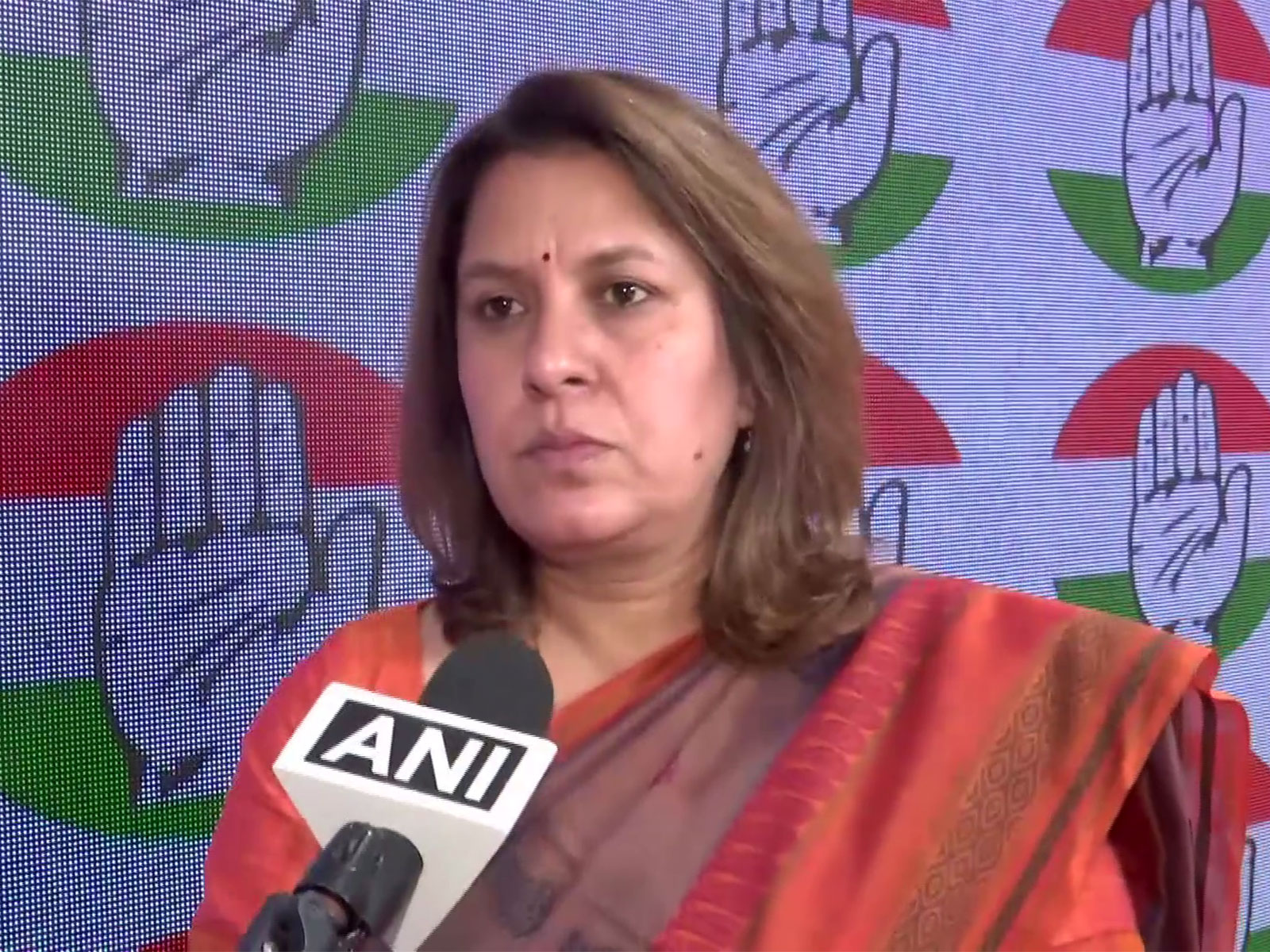
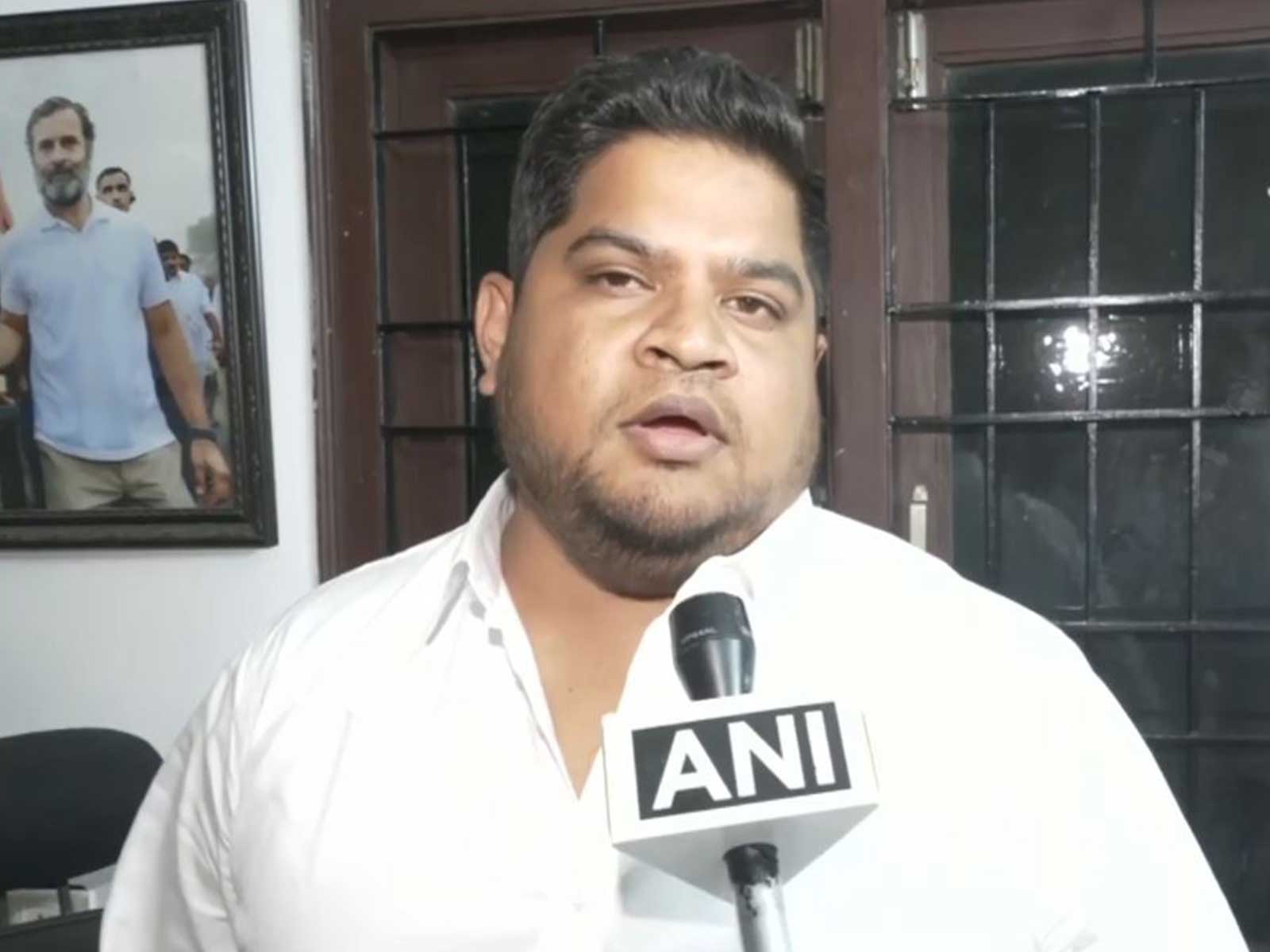
New Delhi [India], April 19 : Amid a standoff between the opposition and the Centre over non-passage of the Constitutional (131st Amendment) Bill in Lok Sabha, Congress spokesperson Supriya Shrinate on Sunday accused Prime Minister Narendra Modi of using the women's reservation issue to advance the delimitation process.
She also said that only 12.9 per cent of the BJP's MPs in the Lok Sabha are women.
Speaking to ANI, Shrinate stated that the PM's address to the nation mentioned the opposition 58 times. She said that PM Modi was avoiding the immediate implementation of women's quota to protect male-dominated seats in the lower house of Parliament.
"Prime Minister Modi mentioned Congress 58 times. Out of 543 seats, one-third should be reserved immediately, giving 181 seats to women. Instead, he resists because he does not want men's seats reduced. The BJP's record is poor: only 12.9 per cent of its MPs in the Lok Sabha are women, and less than 10 per cent of its MLAs nationwide," she said.
Furthermore, she claimed that PM Modi has remained silent on violence against women.
"Modi's track record on women's respect is weak - whether in Hathras, Manipur, or other cases, he remained silent. India's women see through this," he said.
Furthermore, she argued that the strategy of linking the bill to future delimitation is a stalling tactic, stating that "India's women see through this" and claimed the Prime Minister's public connection has weakened.
"Behind talk of women's rights, he sought delimitation and avoided the caste census. That plan has been exposed. His public connection is broken, and those around him lack the courage to tell him his strategy is backfiring," she added.
Her remarks follow recent political friction over the implementation of the women's quota being linked to the delimitation process.
The non-passage of the Constitution Amendment Bill has reignited a fierce ideological battle over the implementation of women's reservation and the legislative path toward gender parity in Indian politics.
In the division that took place following the debate on the three bills, the Delimitation Bill, 2026; the Constitution (131st Amendment) Bill, 2026 and the Union Territories Laws (Amendment) Bill, 2026, 298 members supported the Constitution Amendment Bill while 230 voted against it.
With the Bill failing to secure the necessary two-thirds majority in Lok Sabha, the ruling government leaders have accused the INDIA bloc of being "anti-women" while the opposition has maintained that they suport the women's quota but opposes linking it with delimitation, claiming that the Union Government brought forth the Amendment Bill as a political ploy to "rejig" the electoral map under the guise of women reservation.
With the Bill stalled, the government is expected to take this narrative to the grassroots level, turning the legislative defeat into a major campaign talking point.
Meanwhile, the Opposition continues to argue that the Bill's current form--linked to the census and delimitation--is a tactical delay by the government, rather than a genuine attempt at immediate empowerment.