Repeatedly summoning child victims in POCSO trials causes trauma; Courts must avoid it: Delhi HC
Mar 14, 2026
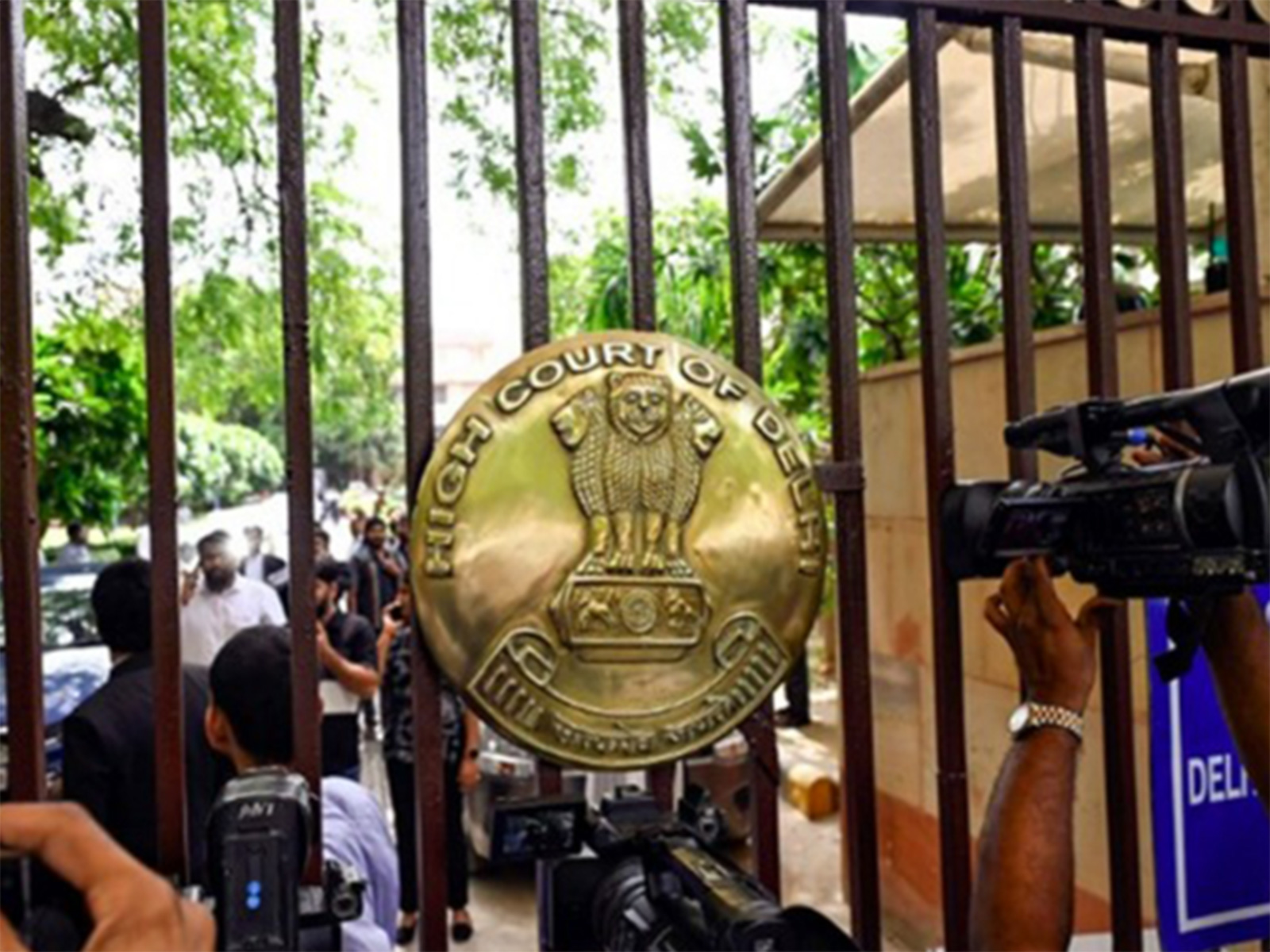
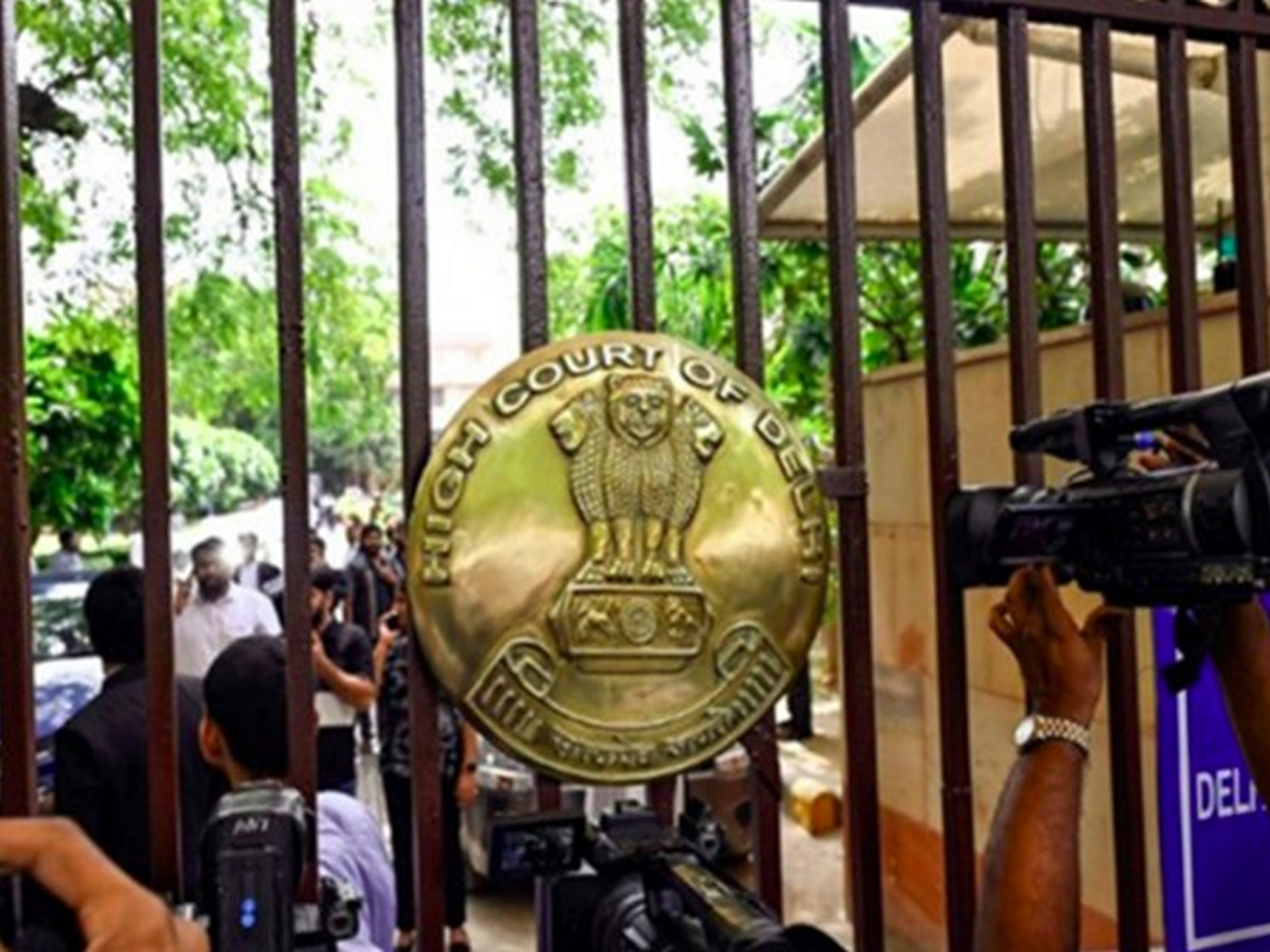
New Delhi [India], March 14 : The Delhi High Court on Saturday observed that repeatedly summoning child victims to court during trial proceedings in cases under the Protection of Children from Sexual Offences (POCSO) Act can cause significant psychological distress and must be avoided.
The court emphasised that the criminal justice process should not become a source of further trauma for vulnerable witnesses.
Delivering the judgment, Justice Swarana Kanta Sharma held that trial courts must ensure that the testimony of child victims is recorded efficiently and without unnecessary adjournments so that they are not compelled to appear repeatedly before the court.
The court underlined that the legislative intent behind the POCSO Act is to ensure a child-friendly judicial process that protects victims from re-victimisation during trial.
The court noted that the mandate under Section 33(5) of the POCSO Act requires that a child should not be called repeatedly to testify in court. At the same time, Section 35 prescribes that evidence of the child should be recorded promptly and the trial should ideally be completed within a year from cognisance.
According to the court, these provisions reflect Parliament's intent to prevent prolonged exposure of child victims to criminal proceedings.
The observations came while dealing with a petition filed by three minor victims challenging the issuance of bailable warrants against one of them by a trial court in a sexual assault case.
The High Court had earlier set aside the warrants issued against the child witness and proceeded to examine broader concerns relating to the manner in which child victims are summoned and examined during POCSO trials.
The court noted that in the present case, the minor victims had been summoned multiple times for recording their testimony, one of them on nine occasions, before their evidence could finally be concluded. The petitioners contended that such repeated appearances caused emotional distress and were contrary to the safeguards envisaged under the POCSO framework.
Addressing the issue, the High Court held that once a child victim is summoned for testimony, the special court should make necessary arrangements so that examination-in-chief and cross-examination are completed without unnecessary adjournments. Courts should prioritise recording such evidence to ensure compliance with the statutory scheme of the POCSO Act.
The judgment also highlighted the importance of using technological measures such as video-conferencing and live-link facilities for recording testimony of vulnerable witnesses. Referring to the Delhi High Court's Guidelines for Recording Evidence of Vulnerable Witnesses, 2024, the court observed that such mechanisms can reduce the stress associated with appearing in court and limit exposure of the victim to the accused.
Further, the court emphasised that the presence of victims during bail hearings should not be insisted upon repeatedly. Once the victim's objections to the bail application are recorded, the proceedings can thereafter be contested through counsel or authorised representatives to minimise psychological impact.
Summarising the legal position, the High Court held that victims of sexual offences, particularly children, are "vulnerable witnesses" who require special procedural protection during criminal trials. Courts must adopt compassionate and balanced approaches that safeguard the dignity of victims while ensuring a fair trial for the accused.
The petitioners were represented by Advocate Nitin Saluja, along with Advocate Nimisha Menon, Advocate Pranya Madan, and Advocate Ankita Talukdar, while Advocate Prachi Dubey assisted the court as Amicus Curiae. The State was represented by Additional Public Prosecutor Manoj Pant.
The High Court directed that a copy of the judgment be circulated to all trial courts and special courts in Delhi so that the principles governing the protection of vulnerable witnesses are followed uniformly.