RJD MP Manoj Jha alleges key UPA-era welfare laws being 'diluted'; Calls for social protest
Dec 28, 2025

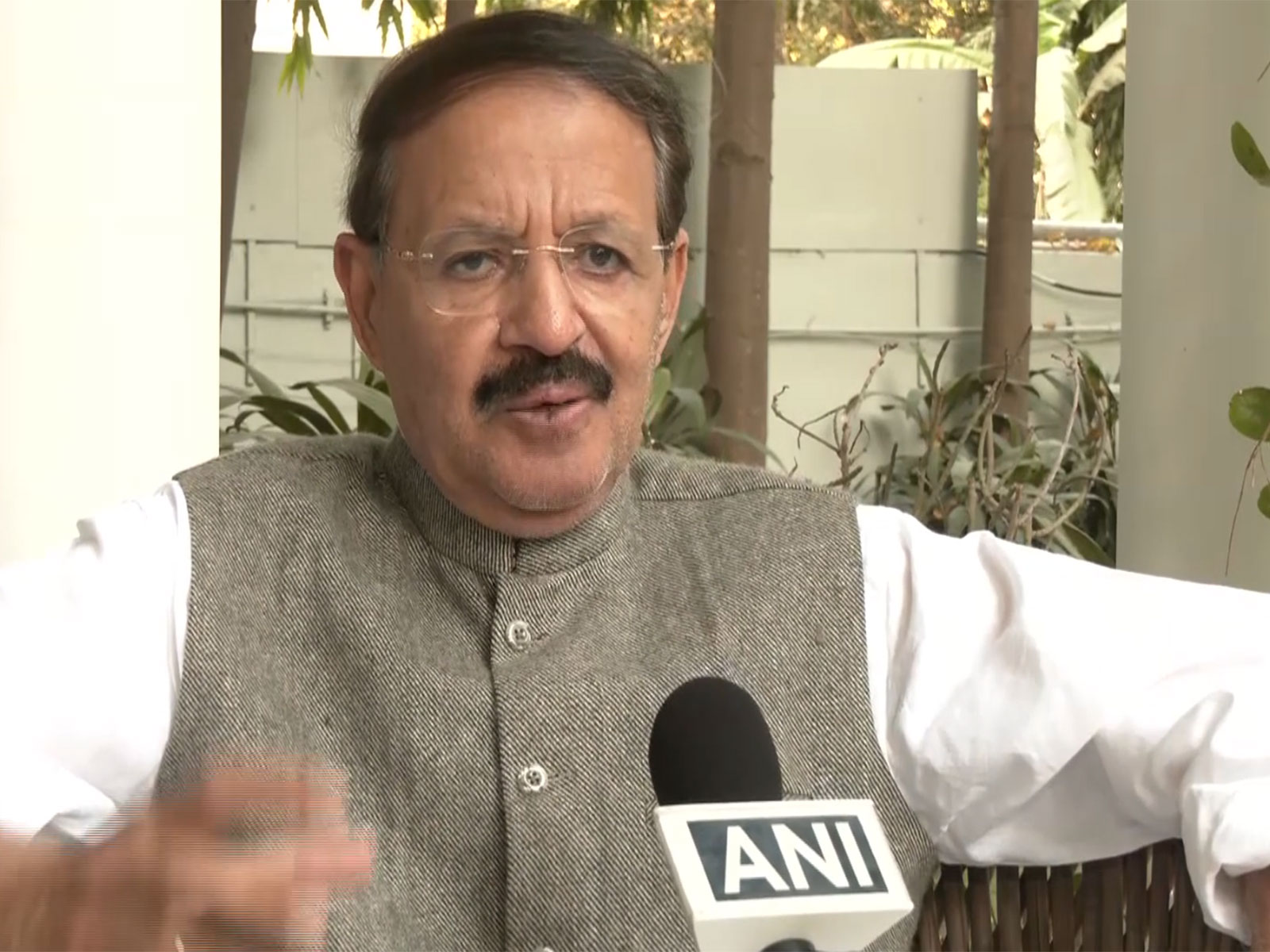
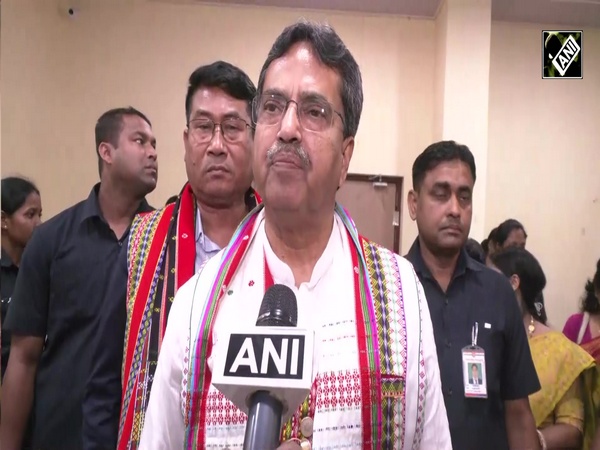
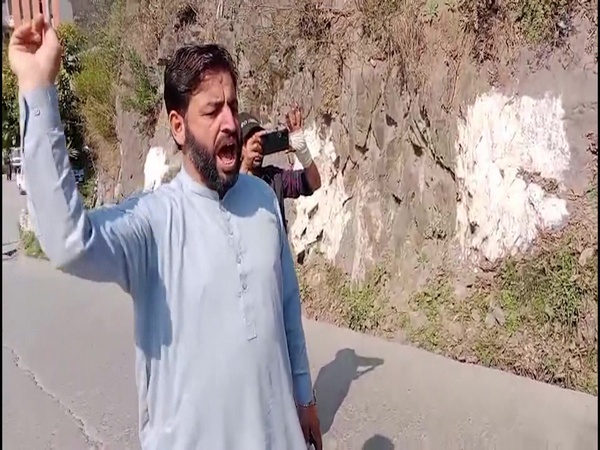
New Delhi [India], December 28 : Rashtriya Janata Dal (RJD) MP Manoj Kumar Jha on Sunday criticised the Centre government for what he described as the "systematic weakening of paramount" welfare and rights-based legislations enacted during the UPA era, including the Mahatma Gandhi National Rural Employment Guarantee Act, Right to Information and Right to Education.
Speaking with ANI about the evolution of social policy, Jha said that several transformative schemes emerged from long-standing social movements. "Behind all the schemes, there has been a significant history of social movements. I was not in politics, but from my university, we had MGNREGA, RTI, Right to Education-these were all signs of a paradigm shift. During the UPA era, this was given a form, "he said.
The RJD MP questioned why the present government was "dismantling" these frameworks, adding that RTI "has been diluted so much that it has now become relatively weak. "
On MGNREGA, Jha said the law was closest to realising the "Right to Work" under Article 41. "Not 100 per cent, but nearest, "he remarked, alleging that the scheme had been turned from a demand-driven programme into a command-driven one. "No value nor voice is left in this Act," he added.
Arguing that institutional spaces could be undermined, Jha said the country requires a broader social mobilisation.
"The country requires an extensive social protest, because Parliament can be manipulated, but if people come to the roads, no regime can manipulate that, " he said.
On Satirday, hitting out at the Congress party over its criticism of the VB-G RAM G Act, 2025, BJP MP Sudhanshu Trivedi said that allegations being levelled against the legislation were "completely baseless". It asserted that the new framework enhances employment guarantees, transparency and accountability in rural development works.
"Instead of being present during the discussion on the G RAM G bill, he (Rahul Gandhi) went abroad for his monthly foreign trip. After returning, his routine work is to criticise the policies. The propaganda of confusion sponsored by the Congress party is entirely baseless. In this scheme, the guarantee of employment has been increased from 100 days to 125 days, " Trivedi said.
Trivedi said that while gram panchayats will continue to make decisions at the local level, the scheme has been linked to the PM Gati Shakti framework to ensure better coordination and visibility for development activities across neighbouring villages.
Higlighting new oversight mechanisms, he said, weekly monitoring would prevent irregularities such as delayed or duplicate payments. "It is not possible for someone to suddenly arrive and ask for payment after one year. In West Bengal, in 19 districts, payment was given for doing no work, and doing the same job again and again," he alleged.
Congress national president Mallikarjun Kharge announced that the party will launch a nationwide 'Save MGNREGA' campaign from January 5, 2026.
Speaking to the media, Kharge said that party leaders took an oath during the meeting to protect MNREGA and oppose any attempt to weaken or alter the scheme.
"In the meeting, we took an oath. We decided to launch a nationwide movement, with MNREGA as the central focus. Indian National Congress party, taking a leading role, will launch the MNREGA Save Campaign from January 5th," Kharge said.
Emphasising the importance of the scheme, the Congress chief said MNREGA is not merely a welfare programme but a constitutional right.
"We will protect the MNREGA at all costs. MNREGA is not just a scheme but a right to work guaranteed by the Constitution of India. We also pledge to democratically oppose every conspiracy to remove Gandhiji's name from MNREGA," he added.
On December 21, President Droupadi Murmu gave assent to the VB-G RAM G Bill, 2025, marking a significant milestone in the transformation of rural employment policy.
The Act enhances the statutory wage employment guarantee to 125 days per financial year for rural households. It seeks to advance empowerment, inclusive growth, convergence of development initiatives and saturation-based delivery, thereby strengthening the foundation for a prosperous, resilient and self-reliant Rural Bharat.
Parliament passed the Viksit Bharat - Guarantee for Rozgar and Ajeevika Mission (Gramin) Bill, 2025, marking a decisive reform in India's rural employment and development framework. The Act replaces the Mahatma Gandhi National Rural Employment Guarantee Act (MGNREGA), 2005, with a modern statutory framework that enhances livelihood security and is aligned with the national vision of Viksit Bharat @2047.