Robust Swasth Bharat Portal launched to integrate multiple digital Health systems
May 06, 2026
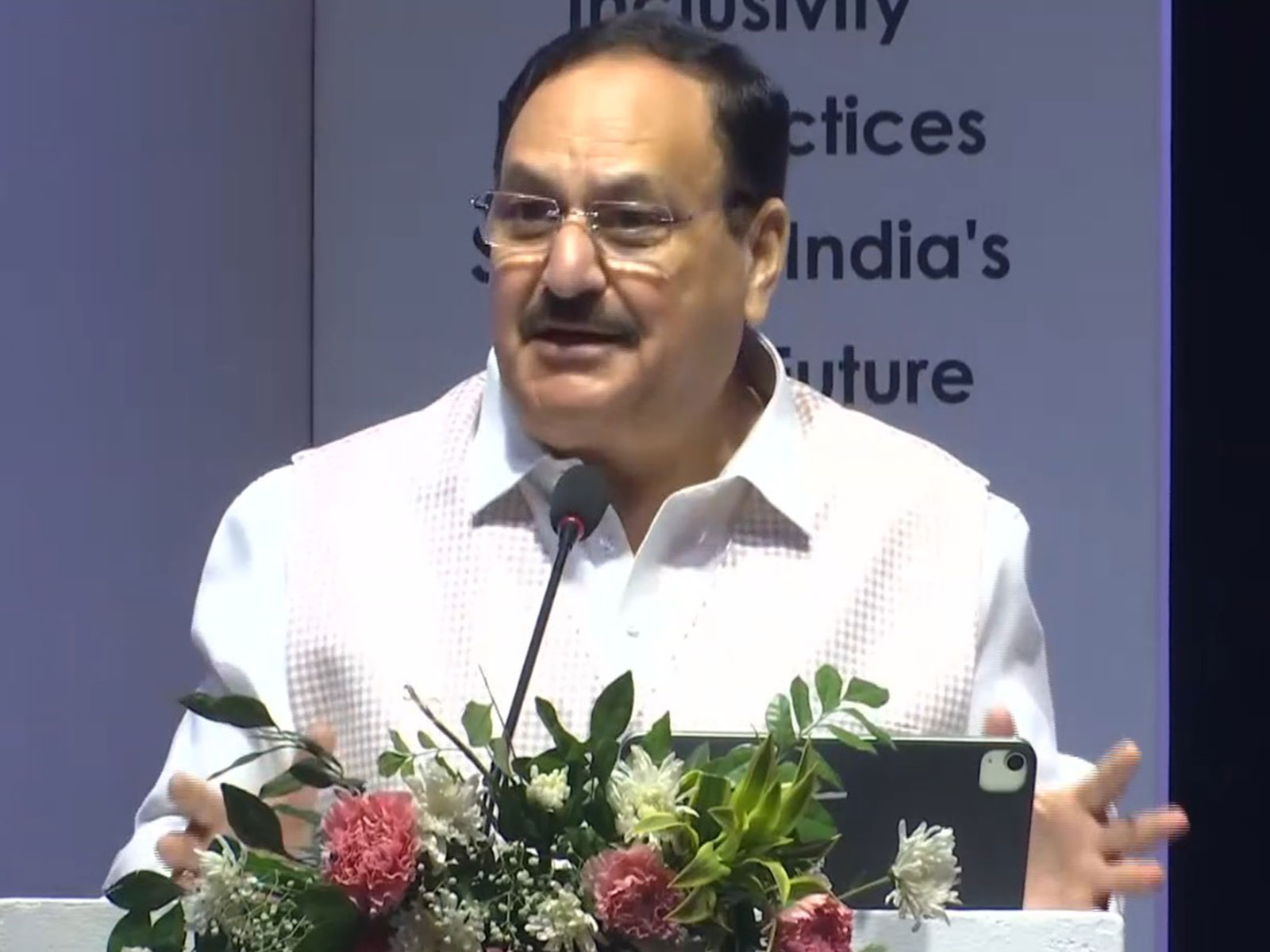
New Delhi [india], May 6 : Marking another major milestone in India's healthcare transformation, the 'Swasth Bharat Portal' was launched recently during the 10th National Summit on "Innovation and Inclusivity: Best Practices Shaping India's Health Future" by the Union Minister for Health and Family Welfare, Jagat Prakash Nadda.
The launch of the Swasth Bharat Portal signifies a decisive shift towards a more integrated, efficient and scalable digital public health architecture.
The Swasth Bharat Portal will be useful to integrate multiple digital applications that have been developed by the Ministry of Health and Family Welfare (MoHFW) under various national health programmes to support service delivery, monitoring, and reporting. While these platforms have enabled digital data capture at scale, they have largely operated in silos, leading to duplication of efforts, fragmented datasets, and sub-optimal utilisation of resources.
Addressing this challenge, the Swasth Bharat Portal has been conceptualised as an aggregator platform that integrates existing programme systems through an API-based federated architecture. It enables interoperability and convergence, creating a unified digital layer across programmes. Envisioned as a one-stop integrated platform, it brings multiple national health programmes onto a single interface, eliminating the need for multiple logins and repetitive data entry, and significantly reducing the administrative burden on healthcare providers while enhancing efficiency at all levels.
India's frontline health workers, including ASHAs, ANMs, CHOs, and Medical Officers (MOs), often spend considerable time navigating multiple applications for programme reporting. The Swasth Bharat Portal addresses this issue by providing a single platform for easy access, along with data visualisation tools and the use of data at the local level for monitoring and evidence-based planning. The portal is ABDM-compliant and supports integration with ABHA (Ayushman Bharat Health Account), enabling seamless and secure exchange of patient health records. It is designed to evolve into a comprehensive and interoperable digital health ecosystem, further integrating with national registries such as the Healthcare Professionals Registry (HPR) and Health Facility Registry (HFR).
Swasth Bharat Portal envisages the following:
Reduce Infrastructure Duplication: Independent hosting, storage, and compute resources are maintained across programs, which will be reduced when they are aggregated through Swasth Bharat
Reduce Repetitive Data Entry: Similar beneficiary data which was entered across multiple systems will be entered on a single platform, thus reducing repetitive tasks
Unified HR Deployment: Separate development and maintenance teams are required in all programs; a unified system will reduce the HR burden
Increased Interoperability: As the system is designed on a federated architecture via APIs, the interoperability will be higher
The Swasth Bharat portal will lead to substantial government savings both in terms of human resources, time and IT infrastructure as compared to the current individual portals being managed by different program divisions. Swasth Bharat enables a shift towards an integrated, efficient, and scalable digital public infrastructure with significant efficiency gains.
Infrastructure: ~20-30% reduction
Data Entry Effort: ~20-40% reduction
HR Duplication: ~20-40% reduction
Decision-Making Speed: Increase
The Swasth Bharat Portal thus represents a transformative step towards convergence, efficiency, and data-driven governance in India's public health system.