Russian scientists develop high-efficiency solar catalysts for water purification
Feb 20, 2026
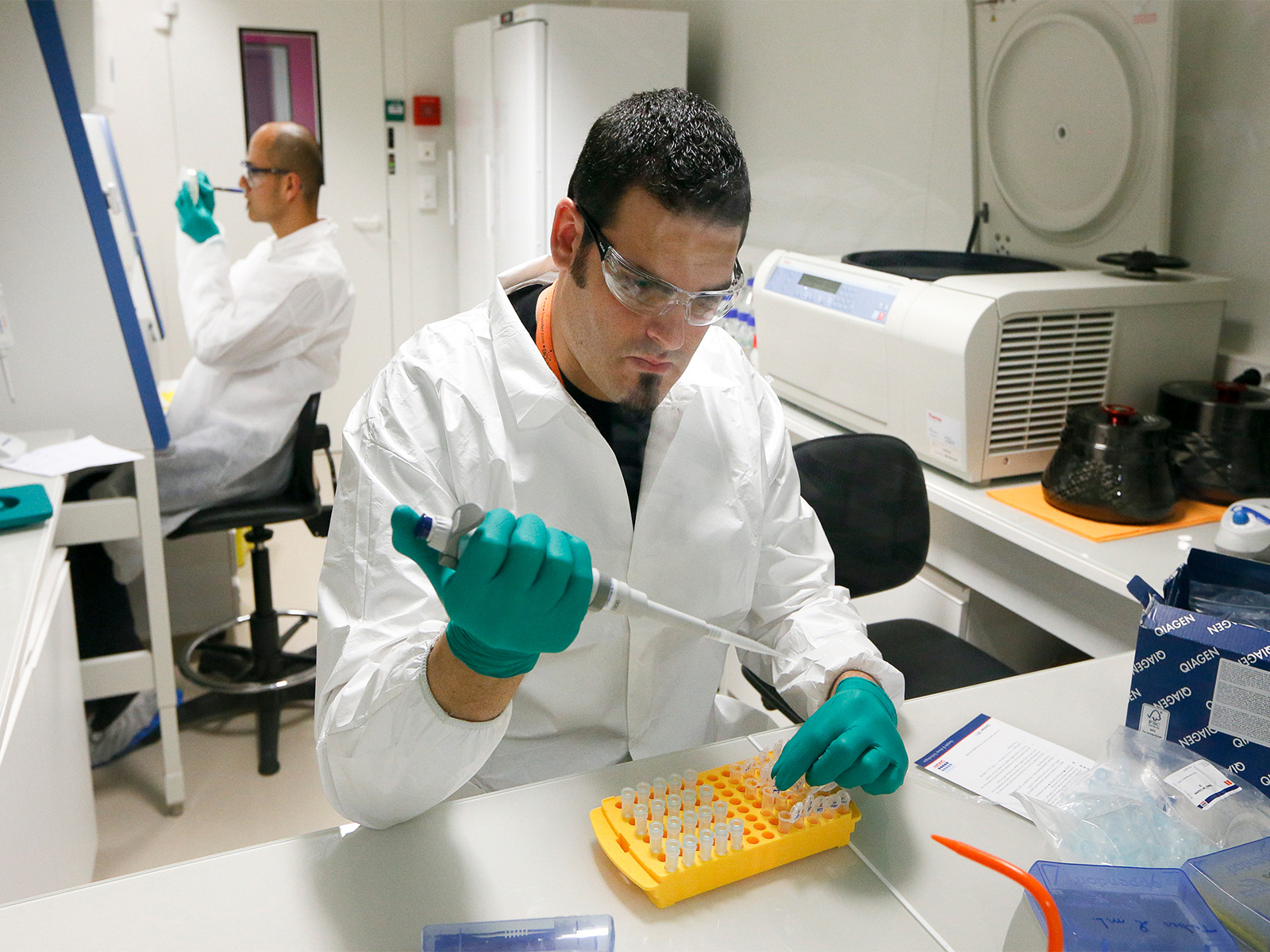
Moscow [Russia], February 20 : Scientists at the Moscow Institute of Physics and Technology (MIPT) have developed a new class of photocatalysts capable of purifying water using visible sunlight, marking a major step forward in sustainable water treatment technologies, according to the institute's official website.
The research was conducted by experts from MIPT's Centre for Photonics and Two-Dimensional Materials in collaboration with international partners. The team identified the most efficient material structure for photocatalytic activity within the visible light spectrum, as reported by TV BRICS.
According to TV BRICS, Photocatalysis is considered a promising method for removing organic pollutants such as dyes, pharmaceutical residues, pesticides and oil traces from water. However, most existing photocatalysts function mainly under ultraviolet light, which constitutes only about 5 per cent of the solar spectrum. In comparison, visible light accounts for nearly half of solar radiation, making its utilisation vital for developing scalable and environmentally friendly technologies.
To overcome this challenge, researchers employed femtosecond laser ablation in liquids, a technique involving ultra-short, high-energy laser pulses that vaporise material surfaces. The vapour subsequently condenses into nanoparticles with customised electronic properties. Importantly, the process generates stable colloidal solutions in water without requiring surfactants, ensuring a clean and eco-friendly synthesis method.
The scientists examined two niobium-based compounds: niobium pentoxide (Nb₂O₅) and lithium niobate (LiNbO₃). Findings revealed that laser processing altered each material differently. Nb₂O₅ lost its crystalline structure and became completely amorphous, while the more thermodynamically stable LiNbO₃ maintained its crystalline framework but developed controlled point defects.
While amorphous materials tend to trap and neutralise light-induced charge carriers quickly, controlled defects in crystalline structures enhance visible light absorption and extend charge carrier lifetimes. This enables reactive species formation that effectively breaks down pollutants.
Laboratory experiments showed that the lithium niobate-based nanocatalyst increased dye degradation rates by 2.3 times compared to amorphous niobium oxide, achieving 90 per cent purification within 150 minutes. Researchers aim to further optimise the method and expand it for real-world solar-powered water treatment applications.