"Ruthless govt putting brakes on development": PM Modi lambasts Trinamool Congress
Mar 23, 2026
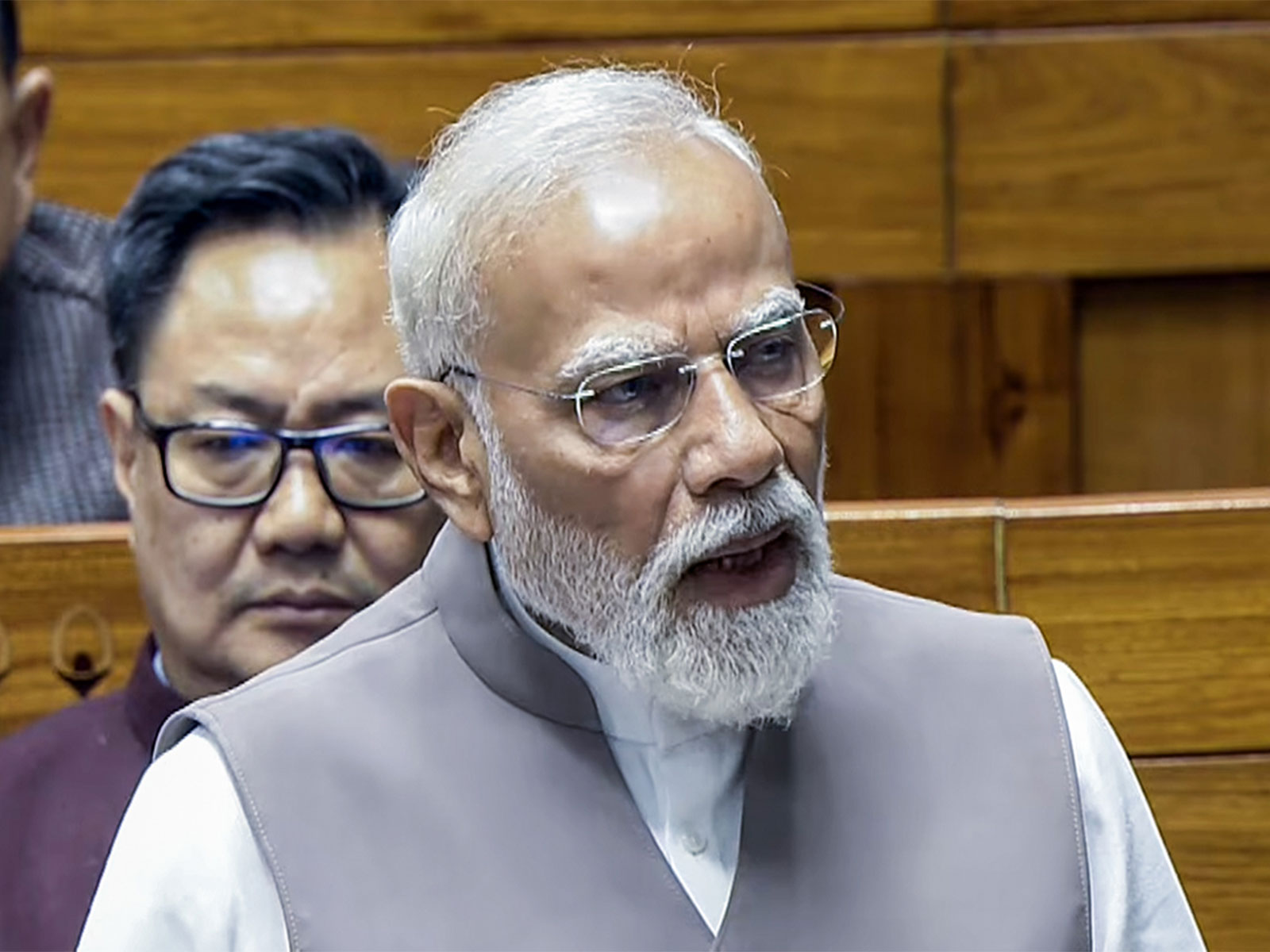
New Delhi [India], March 23 : Prime Minister Narendra Modi on Monday lambasted the Chief Minister Mamata Banerjee-led West Bengal government, calling it "Nirmam" (ruthless), and accusing it of stalling development and prioritising political interests over public welfare.
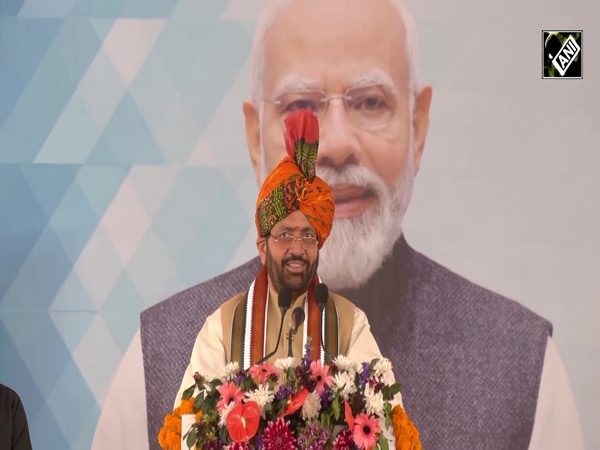
Addressing the TV9 Network Summit in Delhi, the Prime Minister said, "West Bengal used to be a hub of culture, education, industry, and trade at one time. In the last 11 years, the central government has invested a large amount in the development of West Bengal, but unfortunately, there is such a ruthless government there that is putting the brakes on development."
He alleged that several key welfare schemes have not been implemented effectively in the state. "The Ayushman Bharat scheme, PM Surya Ghar Bijli scheme, PM Awas scheme, and schemes launched for tea plantation workers have been put on hold. That is to say, the ruthless government is giving more priority to its political interests than to development and public welfare," PM Modi said.
The Prime Minister also criticised previous Congress-led governments, accusing them of prioritising political survival over national interest. He highlighted the issue of oil bonds issued between 2004 and 2010, stating that the decision imposed a long-term financial burden on the country. PM Modi noted that his government has worked to address these liabilities in recent years.
Expanding on India's global role, PM Modi said the country has strengthened ties across regions, from the Gulf to the Global West and Global South, positioning itself as a reliable partner focused on peace and national interest. He emphasised that India has adopted a strategy of resilience and diversification amid global disruptions, ensuring minimal impact on citizens.
Reflecting on challenges following the COVID-19 pandemic and ongoing global conflicts, PM Modi said India has continued to progress through collective effort. He added that the country's governance, crisis management, and decision-making capabilities have drawn global attention even in adverse conditions.