Sambhali Trust highlights equality and inclusion in India at UN Human Rights Council
Mar 26, 2026
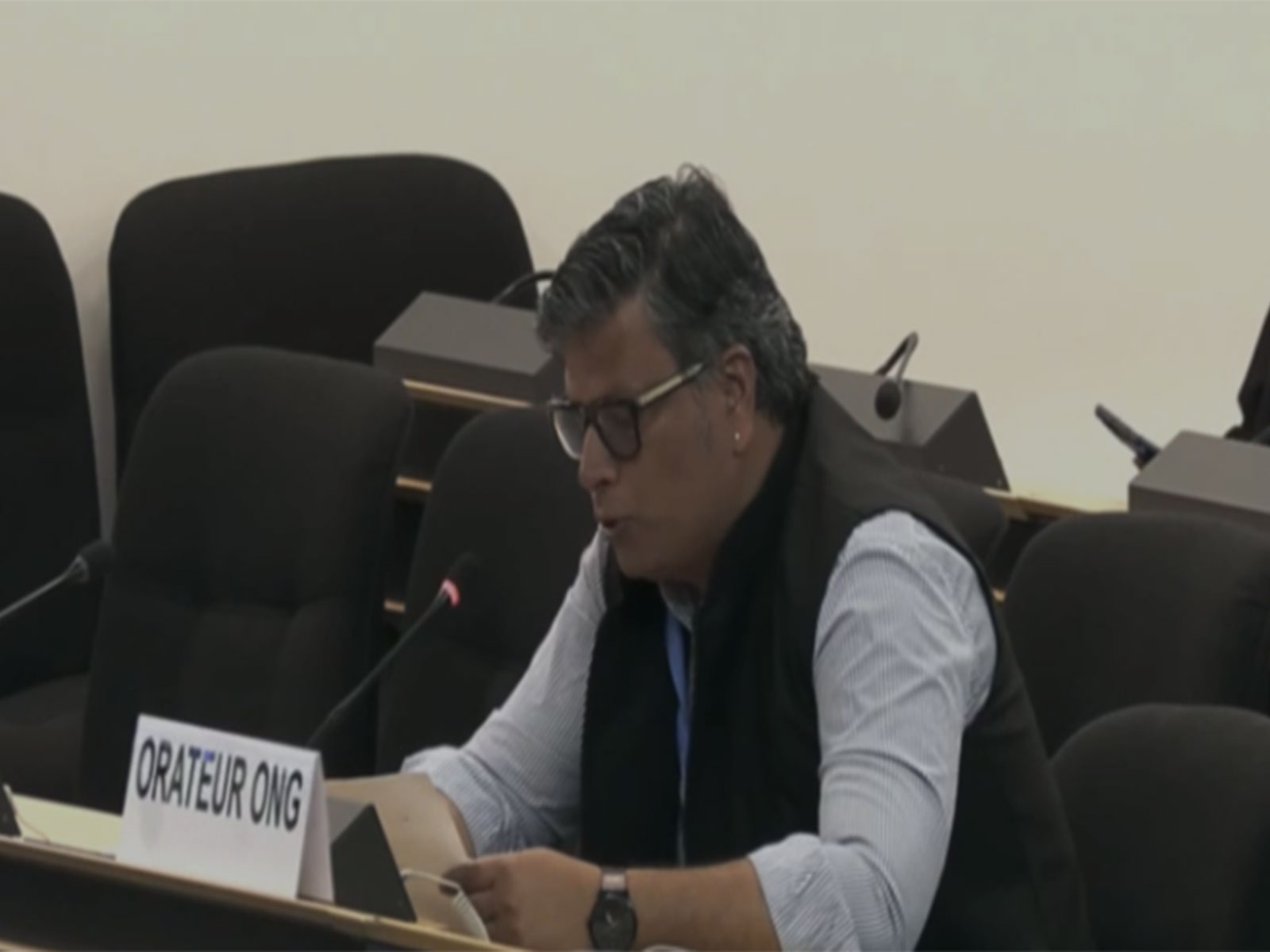
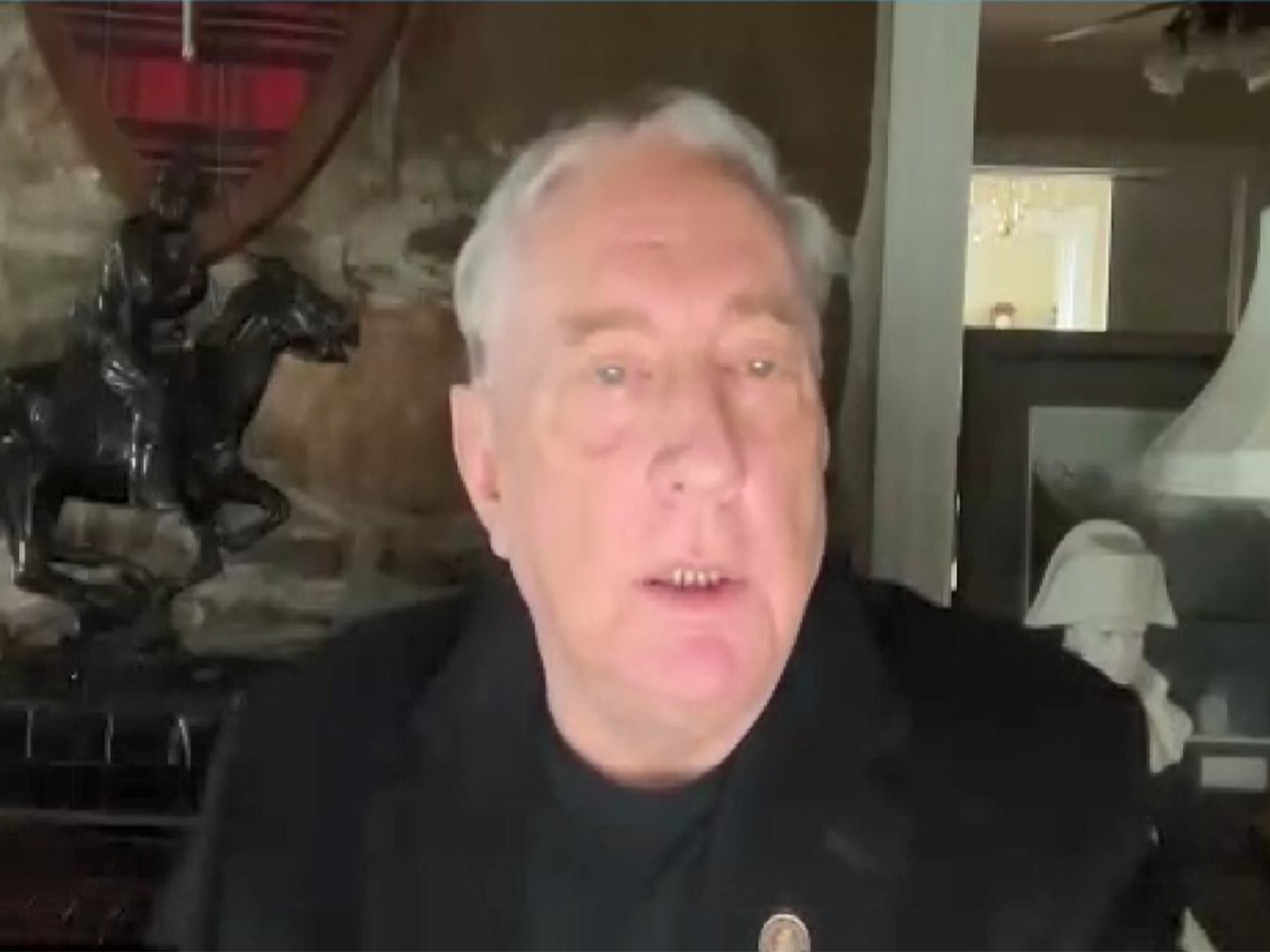
Geneva [Switzerland], March 26 : At the 61st session of the United Nations Human Rights Council (UNHRC), Virendra Singh Chouhan, President of the Sambhali Trust, in his oral statement, drew attention to the global challenges of racism, discrimination, and intolerance while highlighting India's proactive approach toward inclusivity.
Speaking at the international forum, Chouhan highlighted that racism, racial discrimination, xenophobia, and related intolerance remain significant challenges worldwide. He stated that these issues not only undermine human dignity but also disrupt social harmony, creating barriers to equal opportunities in education, employment, and access to justice. According to him, such systemic inequalities continue to deepen divisions within societies and hinder inclusive development.
Focusing on India's framework, Chouhan pointed to the country's constitutional safeguards that promote equality and protect citizens against discrimination. He referred to key provisions such as Articles 14, 15, and 21, noting that they form the backbone of India's commitment to justice, liberty, and equal rights. He added that India has consistently taken steps to strengthen inclusivity by improving access to education and expanding economic opportunities for diverse communities.
Drawing from grassroots experience, Chouhan shared insights into the work of Sambhali Trust, particularly in Jodhpur, Rajasthan. The organisation has been actively engaged in empowering women and girls, especially those from marginalised backgrounds and cross-border migrant communities. He emphasised that initiatives at the community level play a crucial role in addressing discrimination and fostering social inclusion.
Chouhan's intervention at the UNHRC session highlighted the importance of global cooperation in tackling discrimination in all its forms. He called for sustained international efforts to promote tolerance, equality, and human rights, urging stakeholders to work together to build more inclusive societies.
The address highlighted that local initiatives, when aligned with constitutional values and global human rights frameworks, can meaningfully address complex social challenges at both national and international levels.