Sloganeering and disruption never make a leader; facts, reason and ideas do: Lok Sabha Speaker
Jul 04, 2026
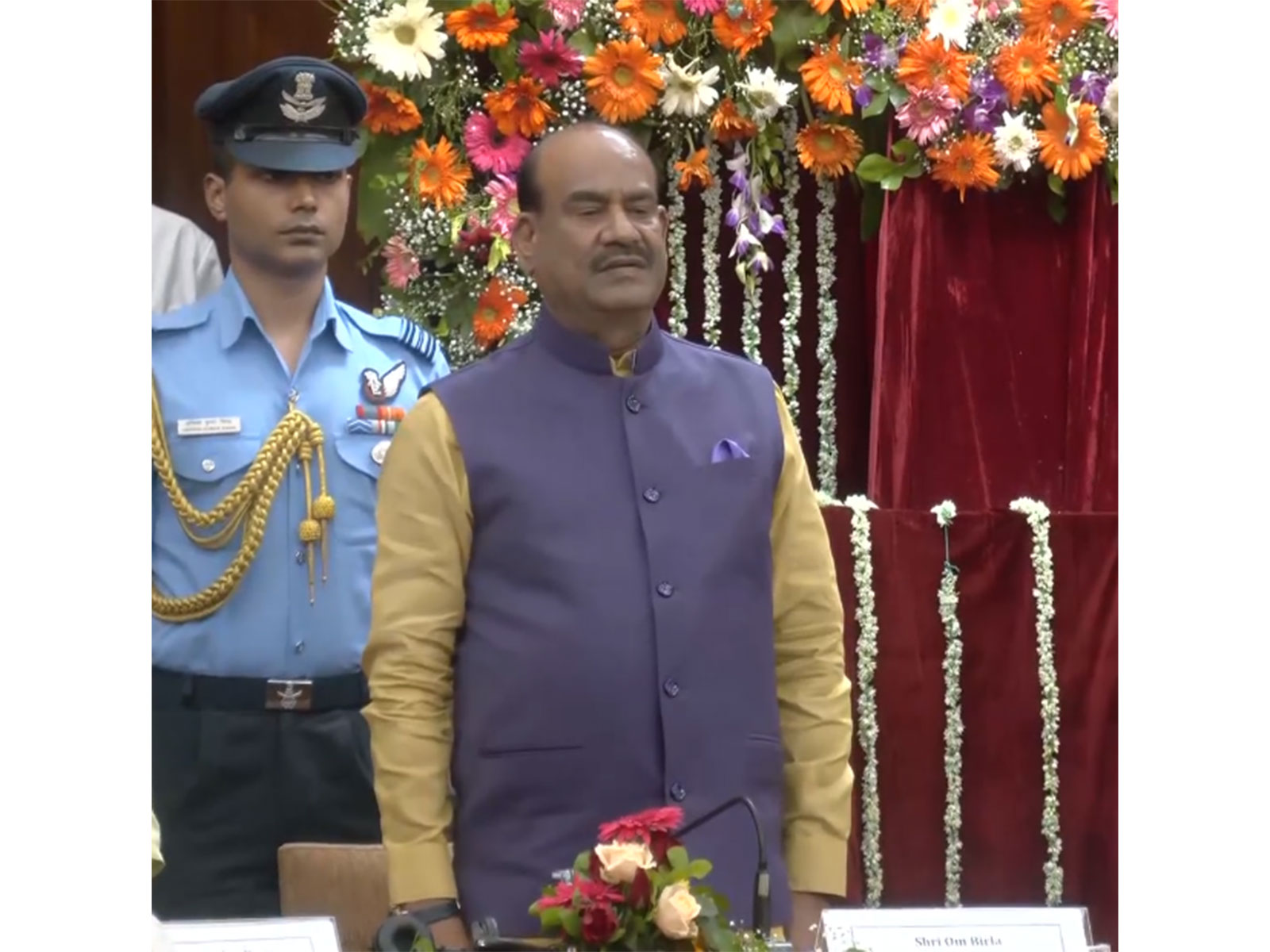
Kolkata (West Bengal) [India], July 4 : Lok Sabha Speaker Om Birla on Saturday emphasised that meaningful democratic dialogue lies at the heart of effective legislative functioning. He observed that leadership is built through reasoned arguments, facts, and constructive ideas--not through sloganeering, disruptions, or legislative deadlocks.
Stressing that legislatures are forums for discussion, deliberation, and solutions, he urged Members to enrich the quality of parliamentary discourse and ensure that debates in the House contribute to addressing public concerns and advancing the development of the State. He remarked that democratic institutions derive their strength from informed dialogue, mutual respect, and a shared commitment to public welfare.
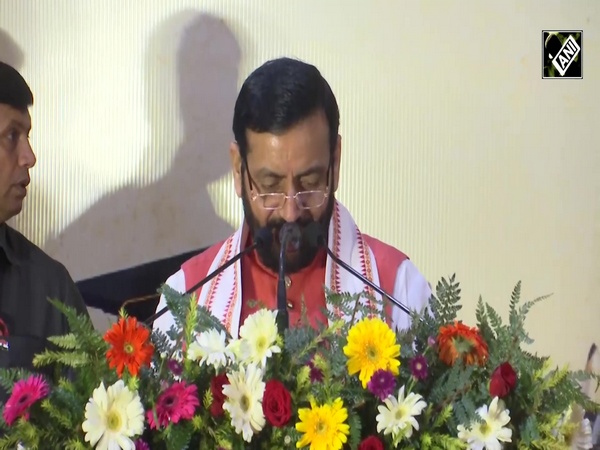
Birla made these remarks while addressing the valedictory session of the two-day Orientation Programme for Members of the 18th West Bengal Legislative Assembly, organised by the Parliamentary Research and Training Institute for Democracies (PRIDE), Lok Sabha Secretariat, in collaboration with the West Bengal Legislative Assembly. The programme concluded today with the valedictory address by the Governor of West Bengal, RN Ravi.
Birla called upon Members of the Legislative Assembly to become the voice of the last person in society and work towards fulfilling the aspirations, hopes, and dreams of the people.
Emphasising that public representatives derive their strength from the trust reposed in them by citizens, Birla said that elected representatives are expected to raise the concerns, challenges, and aspirations of the people and work towards finding solutions through democratic institutions. He expressed confidence that the Members would justify the faith reposed in them by the people of West Bengal through dedicated public service and responsible conduct.
The Lok Sabha Speaker stated that Members of Legislative Assemblies are not merely representatives of their constituencies but also stakeholders in the overall development and future of the State. He urged Members to adopt a broad vision while discharging their responsibilities and to work collectively towards shaping policies, laws, and developmental initiatives capable of providing a new direction to West Bengal.
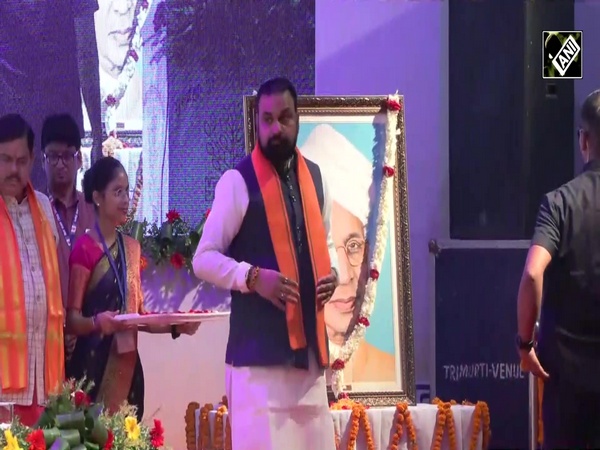
Paying tribute to Swami Vivekananda, Birla said that his life, ideals, and spiritual vision continue to inspire generations. He observed that Swami Vivekananda's teachings provide direction to youth and leaders alike and demonstrate how dedication, character, and commitment to society can bring about transformative change. He remarked that Bengal's rich spiritual, intellectual, and cultural heritage has consistently guided the nation and continues to inspire India's democratic and developmental journey.
Appreciating the enthusiastic participation of Members during the two-day programme, Birla observed that learning, sharing experiences, and exchanging ideas are continuous processes in public life. He noted that there can be no pause in learning and that legislators must constantly update themselves in an era marked by rapid technological and digital transformation. He urged Members to carry forward the knowledge and insights gained during the programme and apply them in the discharge of their legislative responsibilities.
Om Birla urged Members to effectively utilise legislative forums to articulate the concerns and expectations of the people. He observed that every voice raised in the House represents the aspirations and challenges of citizens and should be viewed as an opportunity to improve governance and bring about positive change in society. He further emphasised that governments should give due consideration to the constructive suggestions and concerns raised by legislators, as solutions emerge when diverse viewpoints are heard and addressed.
Calling upon legislators to maintain simplicity in life, humility in conduct, and transparency in public affairs, Birla said that public trust is the greatest strength of democratic institutions. He observed that popularity and respect in public life are earned not through position or authority but through sincerity, integrity, accessibility, and service. He urged Members to strengthen the trust reposed in them by the people through ethical conduct and accountable public service.
Birla expressed confidence that the Members would work towards enhancing the quality of debates and deliberations in the Assembly and carry forward its rich democratic traditions. He observed that legislative institutions derive their prestige from the quality of discussions, the diversity of viewpoints, and the collective wisdom of their Members. He also encouraged legislators to seek public feedback on laws and policies and actively contribute suggestions that make governance more responsive, transparent, and citizen-centric.
Referring to the vision of Viksit Bharat@2047, Om Birla stated that the development of India is intrinsically linked to the development of its States. He observed that West Bengal has historically provided leadership and direction to the nation in various spheres and expressed confidence that the State would once again play a leading role in India's developmental journey. He urged Members to channel their energy, talent, and commitment towards building a prosperous, progressive, and developed West Bengal.
The Lok Sabha Speaker emphasised that public life is a continuous journey of learning, service, and self-improvement. He expressed confidence that the Members would uphold democratic values, strengthen parliamentary traditions, and work tirelessly for the welfare of the people. He urged Members to dedicate themselves to the cause of public welfare and ensure that the benefits of governance reach every section of society, especially the last person in the queue.
The Orientation Programme featured intensive sessions on legislative functioning, parliamentary conventions and etiquette, executive accountability, committee systems, legislative processes, financial and budgetary procedures, parliamentary privileges and ethics, and digital legislative initiatives. Eminent Presiding Officers, parliamentarians, and parliamentary experts from across the country participated as chairpersons, speakers, and resource persons.