Small nuclear reactors to tackle India's hefty energy import bill: Shamika Ravi
Jan 22, 2026
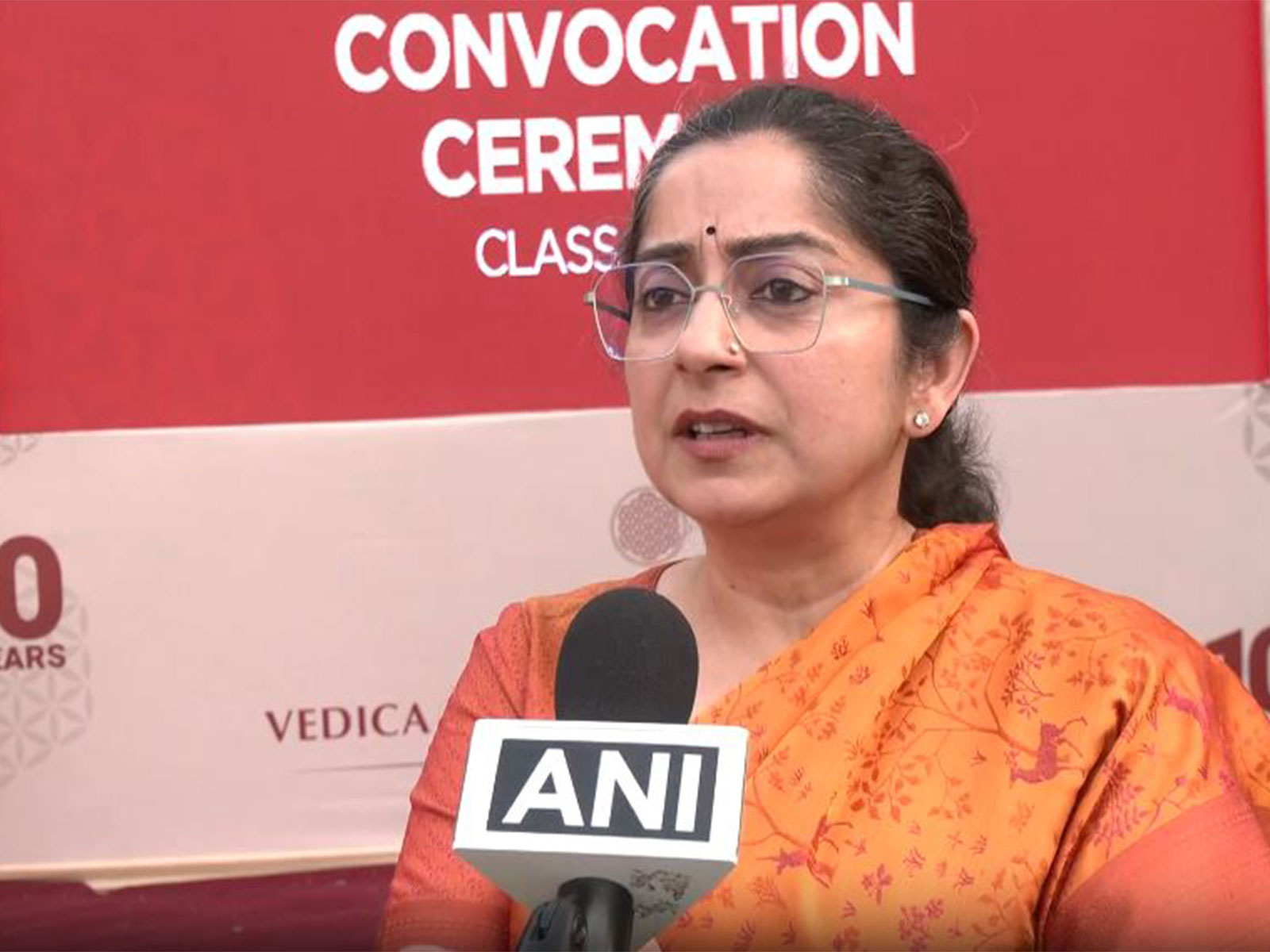
New Delhi [India], January 22 : Nuclear energy, particularly small nuclear reactors are becoming central to India's strategy to tackle a heavy energy import bill, enhance energy security, and drive decarbonization.
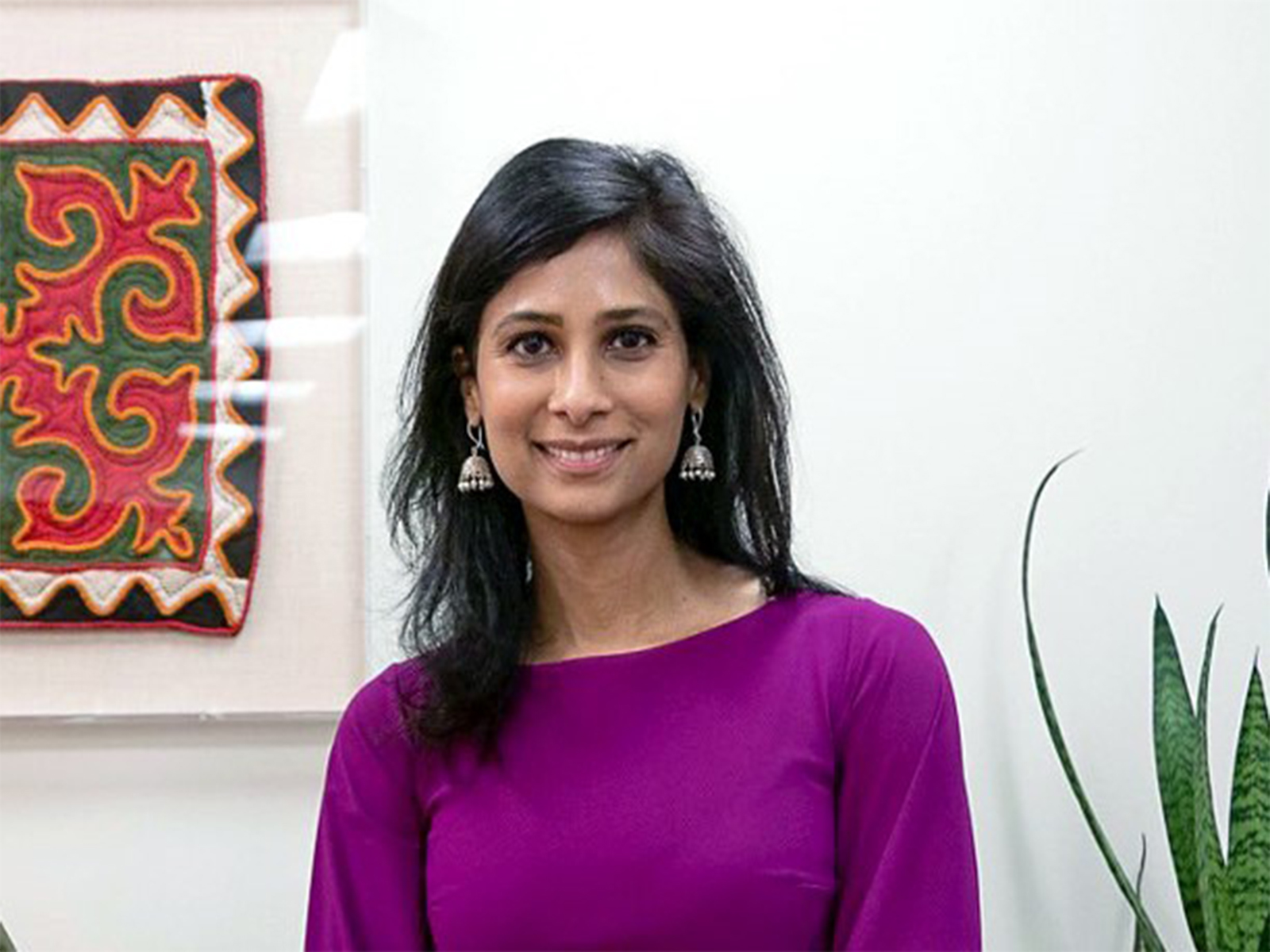
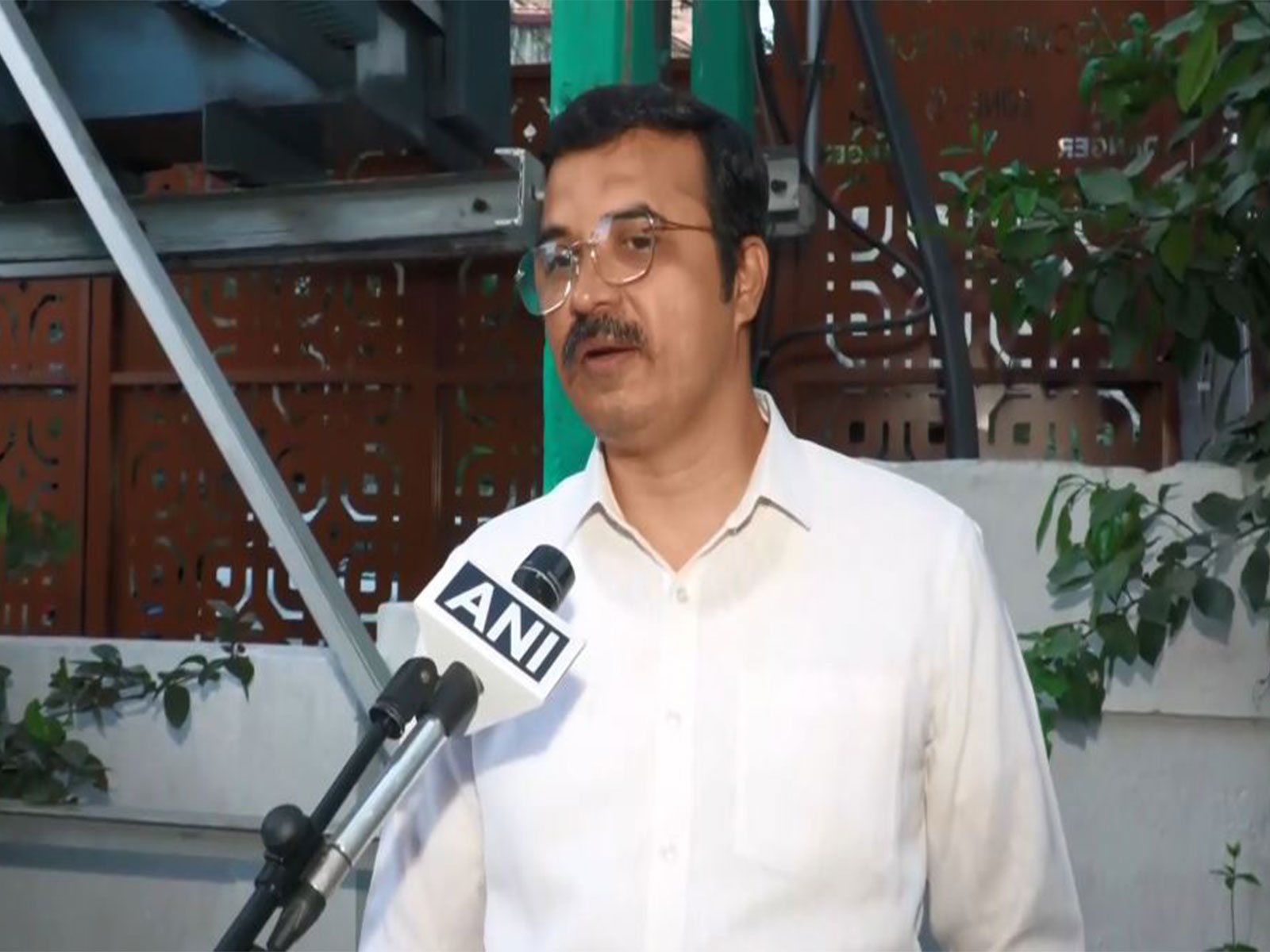
Speaking to ANI, Shamika Ravi, a member of the Economic Advisory Council to the Prime Minister, highlighted the importance of small nuclear reactors within the broader 2047 energy strategy.
"Nuclear, small nuclear reactors in particular, are going to be instrumental in weaning us away from these large import bills," Ravi said on the sidelines of the 10th Convocation of the Vedica Scholars Programme for Women held on Wednesday in New Delhi.
She also highlighted the government's push to diversify energy sources amid global uncertainty.
Ravi added that greater emphasis on renewables was also aimed at the same objective of improving energy security and sustainability.
She also highlighted the government's push to diversify energy sources amid global uncertainty.
She said India was not rich in coal or natural resources and continued to rely significantly on imports to meet its energy needs.
"For the sake of energy sustainability, there is an effort to move away from these large import bills," she said, noting that policy measures following the passage of recent legislation were part of a broader strategy to strengthen the country's long-term energy framework.
She linked the energy transition to India's broader economic resilience, arguing that despite global turmoil and uncertainty on multiple fronts, the country's growth outlook remained strong.
"India remains not just the fastest growing major economy, but our macroeconomic... climate is very benign, very stable," Ravi said, adding that this stability meant growth was "likely to continue."
A key factor insulating India from global shocks, she said, was the dominance of domestic demand. "For us, domestic demand is about 70 per cent of our GDP. So we are a domestic demand-led growth," Ravi said, noting that this made India less vulnerable to global trade disruptions compared with more export-led economies.
Addressing concerns around US tariffs, Ravi said their impact on India had been far more limited than initially feared. "The US tariffs is unfortunate, but at the same time, as you have seen in the past several quarters, it has really not affected us in ways in which people anticipated," she said.
She attributed this to India's economic structure, pointing out that services remained a major growth driver and that "thankfully, the tariffs have not touched that segment of the market."
Ravi also highlighted India's expanding network of free trade agreements as an important buffer against global uncertainty. She said agreements with countries such as Australia and the UK, and a comprehensive pact under discussion with the European Union, would help diversify trade and strengthen supply chains. "These are great for not just those economies... but it's great for us because now we have trading partners in the form of more reliable partners," she said.
On critical minerals, Ravi said India was actively diversifying sourcing strategies in response to changes in the global trade and security environment. She said the government was also surveying domestic resources to better assess availability.
"We are also diversifying. We have also actively started surveying our own resources to get a better sense of how we are placed," she said, adding that such efforts fed into India's long-term "2047 vision" and high-growth ambitions.
Ravi pointed to strong private-sector participation in the space sector as another area of optimism. Since the announcement of privatisation, she said, there had been "significant investment" and a surge in startups applying ISRO's outputs to develop marketable products and services.
Finally, she underlined the economic importance of increasing women's labour force participation, particularly in urban India, where rates remain low at around 24-25 per cent. Unlocking this potential, she said, would require better care infrastructure, supportive state policies and a more equitable sharing of responsibilities at home.
"Half of the population of the country should be in the mainstream of economic progress," Ravi said.
Notably, the Sustainable Harnessing and Advancement of Nuclear Energy for Transforming India (SHANTI) Bill, 2025, has paved the way for private-sector participation in the nuclear industry, ending the Nuclear Power Corporation of India Limited (NPCIL) 's monopoly.
The 2025-26 Union Budget has committed ₹20,000 crore for the development of SMRs, targeting at least five indigenously developed Small Modular Reactors (SMRs) to be operational by 2033.
India aims for 100 GWe of installed nuclear capacity by 2047, a key component of its net-zero emissions target by 2070.