Soaring prices and policy paralysis deepen crisis in PoGB
Mar 23, 2026
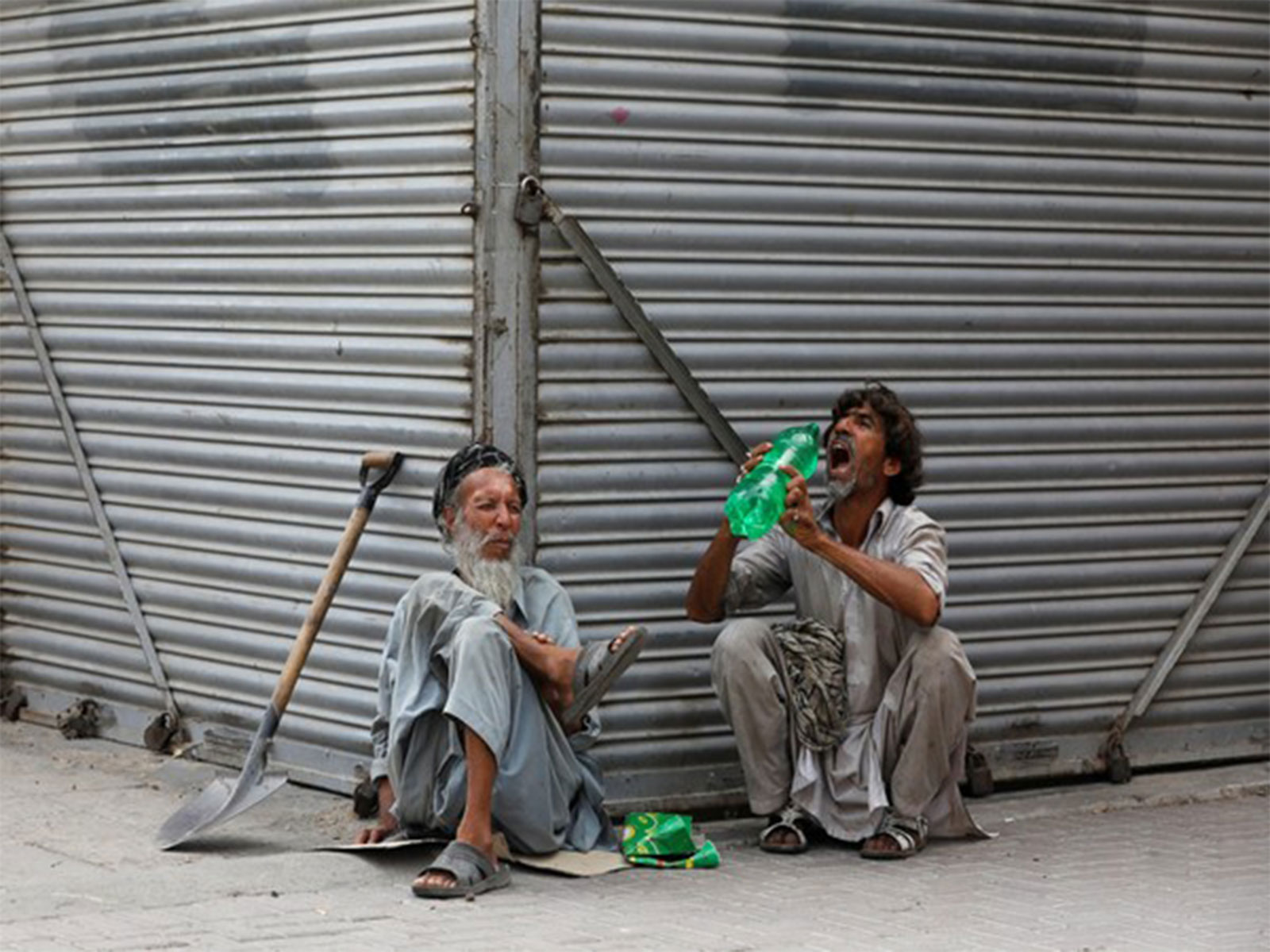
Gilgit [PoGB], March 23 : Residents of Pakistan-occupied Gilgit-Baltistan (PoGB) are grappling with mounting economic distress as inflation, rising transport costs, and fears of additional taxation intensify hardships for already vulnerable communities. Locals have voiced strong concerns over the worsening cost of living, describing the situation as increasingly unsustainable for poor households.
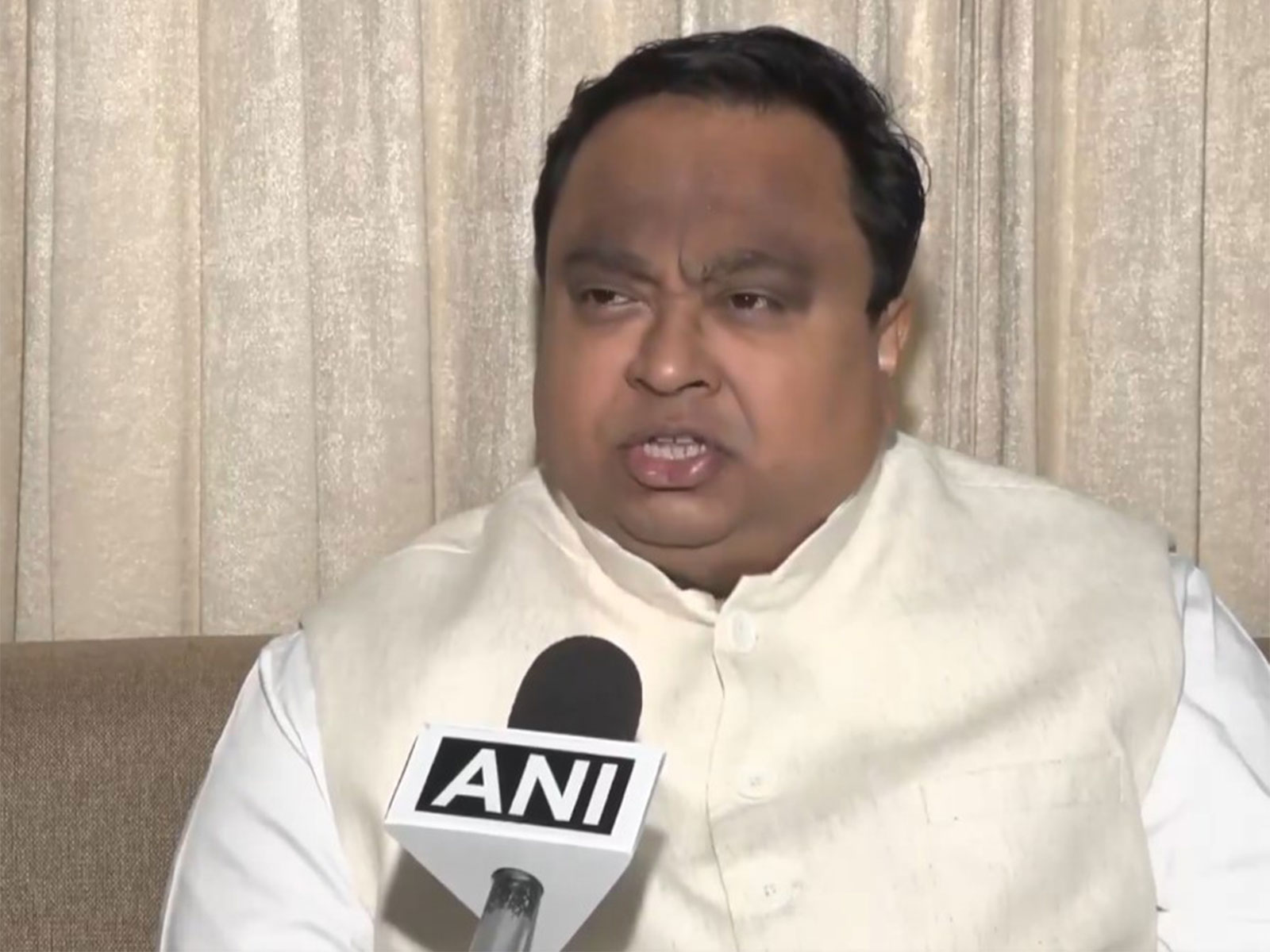
A resident highlighted that the region's disputed status makes the imposition of further taxes unjustifiable. According to him, people are already burdened with existing levies, and any additional taxation would disproportionately harm the poor. He argued that even when taxes are imposed on traders, the ultimate impact is borne by low-income consumers, who face higher prices for essential goods.
While officials have reportedly not issued any new tax notifications, confusion persists on the ground. Residents claim that local transporters have arbitrarily increased fares, with hikes ranging from Rs 10 to Rs 100. These unregulated increases have compounded the financial strain, especially in remote areas where transport is a lifeline for accessing markets and services.
The economic pressure is further exacerbated by record-high fuel prices, which have triggered a cascading rise in the cost of food, clothing, and other necessities. During the holy month of Ramzan, prices have surged sharply, leaving many families unable to afford basic Eid preparations. Several residents reported that buying new clothes for children has become a luxury, reflecting the depth of the crisis.
Concerns were also raised about the implementation of welfare schemes such as the Benazir Income Support Programme (BISP). Instead of empowering women, the programme has reduced them to dependency, with some alleging that beneficiaries are being publicly humiliated during aid distribution activities.
Amid these challenges, calls are growing for authorities to intervene more effectively. Residents have urged the government to regulate price hikes, curb hoarding practices, and ensure equitable access to essential commodities like wheat. While some supply exists, many believe it falls short of meeting the needs of the most disadvantaged.