'Take back new Aravalli definition, recall SC ruling': Environmentalist flags ecological, social fallout
Dec 27, 2025
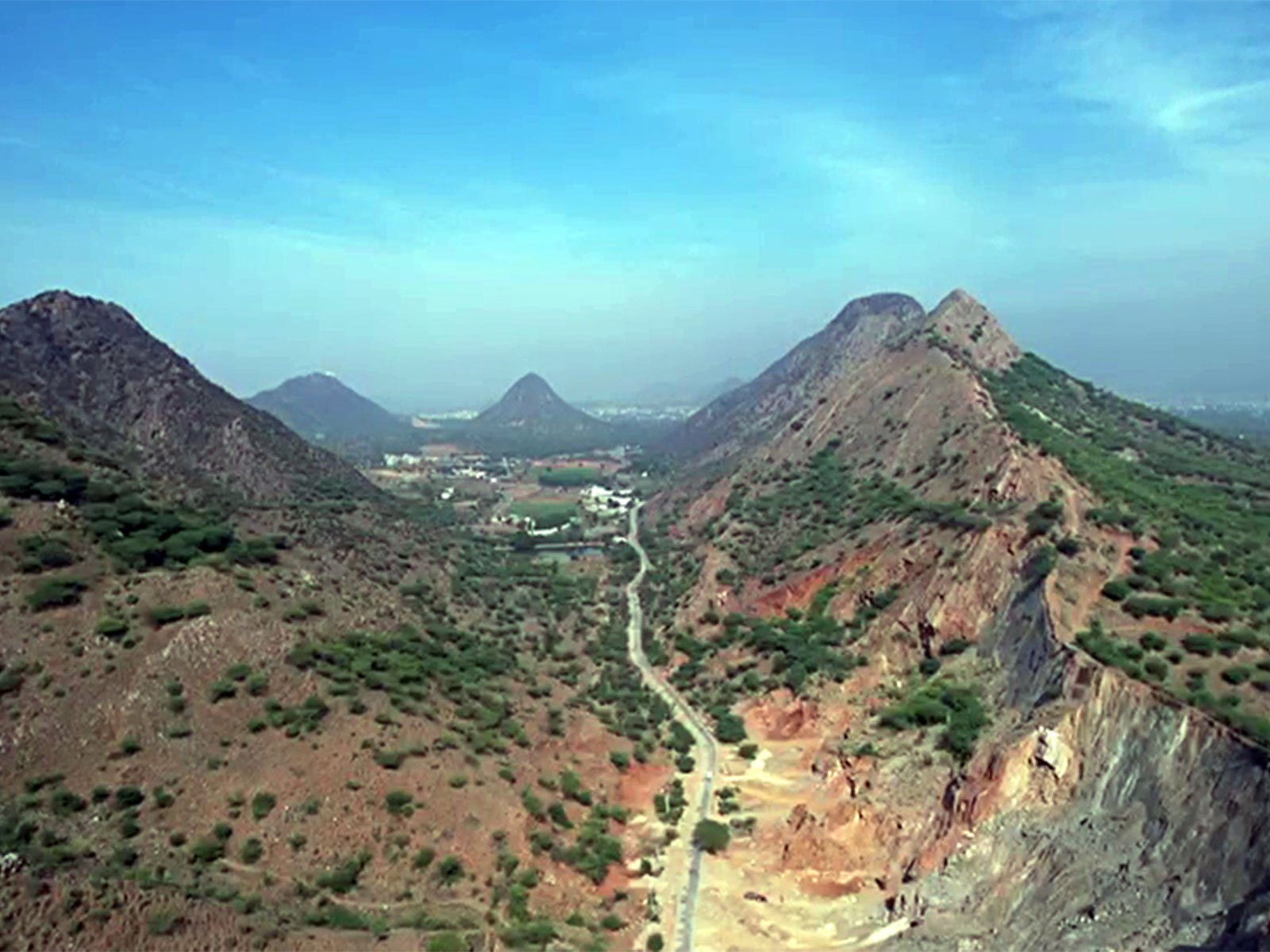
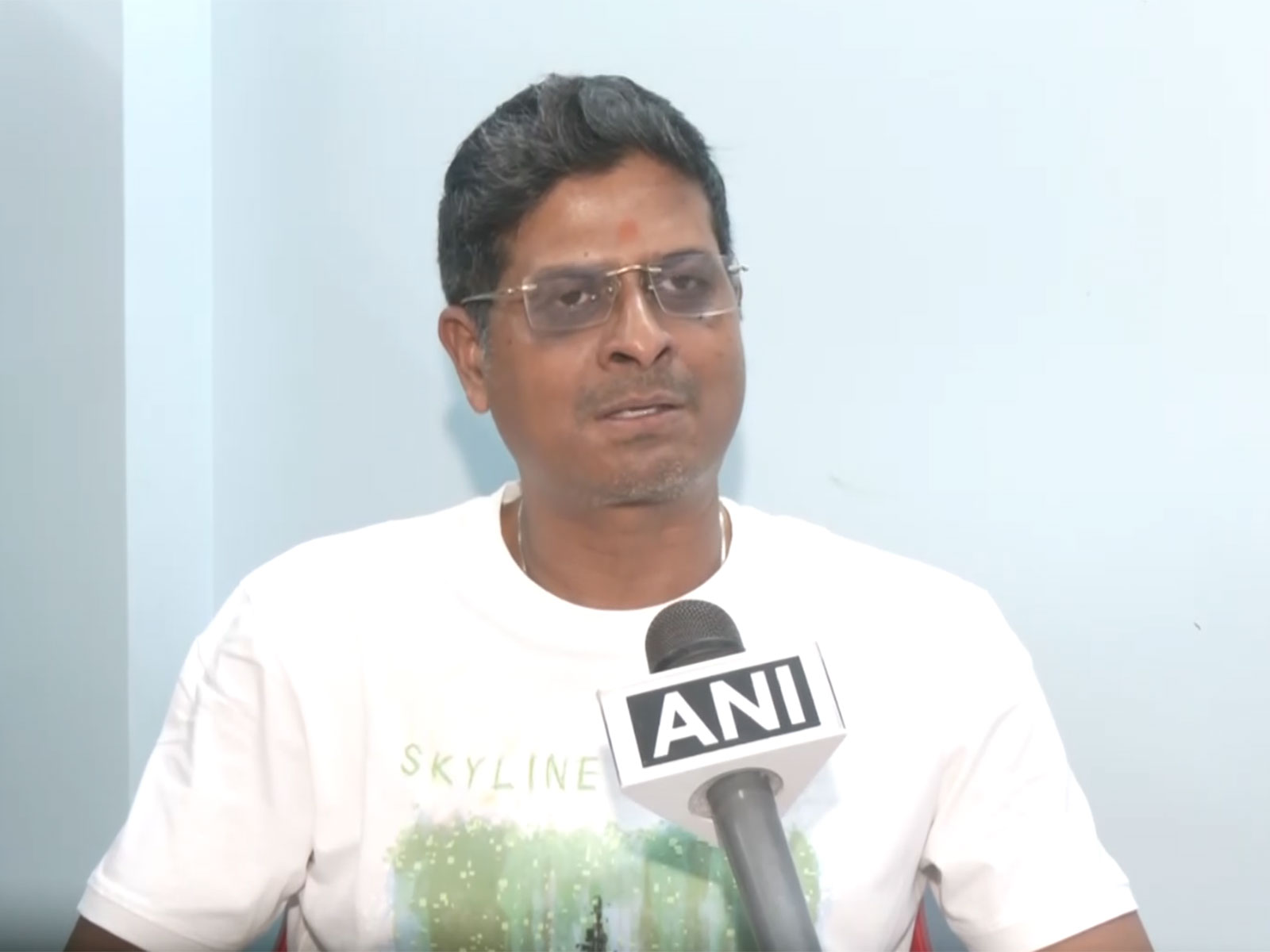
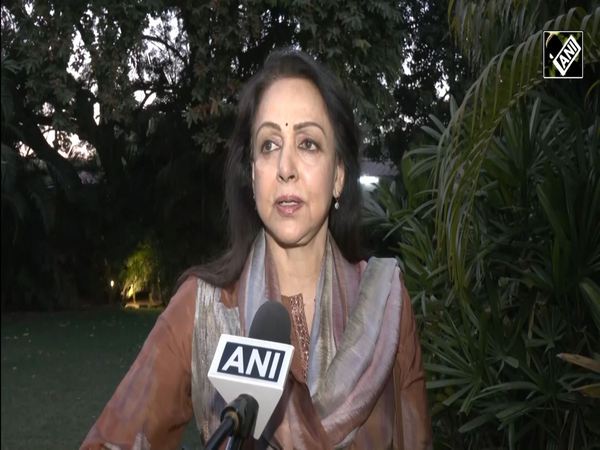
New Delhi [India], December 27 : Environmentalist Neelam Ahluwalia, a member of the Aravalli Virasat Jan Abhiyaan, has demanded that the Supreme Court recall its November 20 order and the Centre withdraw the newly notified definition of the Aravalli range, warning that it could open vast stretches of the fragile mountain ecosystem to mining.
Speaking to ANI, Ahluwalia said the new definition -- based on a 100-metre height criterion -- was introduced without adequate scientific assessment or public consultation and risks exposing large parts of the Aravallis across Haryana, Rajasthan, and Gujarat to mining activity.
"We are asking for this Supreme Court order to be recalled. There is nothing called sustainable mining in a critical mountain ecosystem like the Aravallis. You cannot define an entire range for mining -- that is completely unacceptable," she said.
"This definition must be taken back. It is dangerous to apply a uniform, height-based definition to an ancient and complex mountain ecosystem that directly impacts water, food and climate security for millions of people," she added.
The Supreme Court's acceptance of the Centre's definition of the Aravalli hills and its approval of recommendations for sustainable mining have drawn sharp criticism from opposition parties and environmentalists, who have alleged that the move could benefit mining interests.
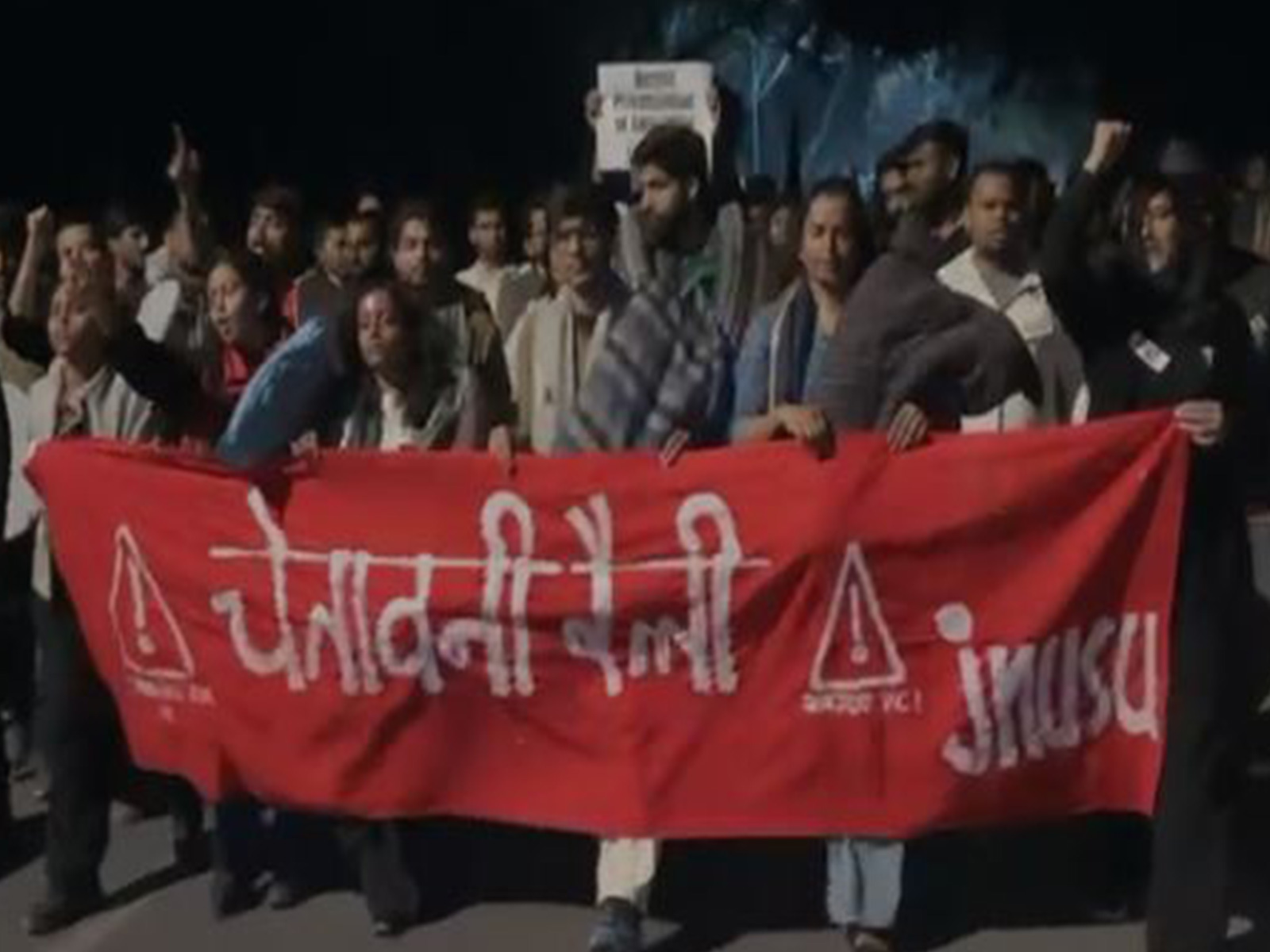
Ahluwalia said environmentalists and grassroots organisations have come together under the Aravalli Virasat Jan Abhiyaan to oppose the ruling.
"The government claims only two per cent of the area will be affected, but no data has been placed in the public domain. There are contradictions even within official statements on the number of Aravalli districts and the area involved," she said.
She pointed out that the Centrally Empowered Committee (CEC) of the Supreme Court had, in March 2024, recommended a comprehensive environmental impact assessment of the Aravalli range, a process that has yet to be carried out.
"Before redefining the Aravallis, the government should have conducted a cumulative social and environmental impact assessment of the entire range. That has not happened," Ahluwalia said.
Citing the ground situation, she said mining -- both licensed and illegal -- is already underway across 37 districts of the Aravalli belt, resulting in deforestation, groundwater depletion, pollution of rivers and serious health impacts on local communities.
"The Aravallis are already bleeding due to decades of mining. Introducing a diluted definition now will only accelerate the destruction," she said.
Ahluwalia also questioned the government's assertion that the new definition applies only to mining. "You cannot limit a definition to mining alone. Once you redefine the Aravallis, it will spill over into land use, conservation, forests and people's rights," she said.
She said the campaign has demanded an immediate halt to mining near human habitation, forests and water bodies, and called for transparent data on how much of the Aravalli range would be protected under the old Forest Survey of India criteria versus the new 100-metre definition.
"Until an independent assessment is done and people are consulted, this order must be recalled and the definition scrapped," she added.