TCS to have as many AI agents as human employees in next 3 years: N Chandrasekaran
Jun 09, 2026
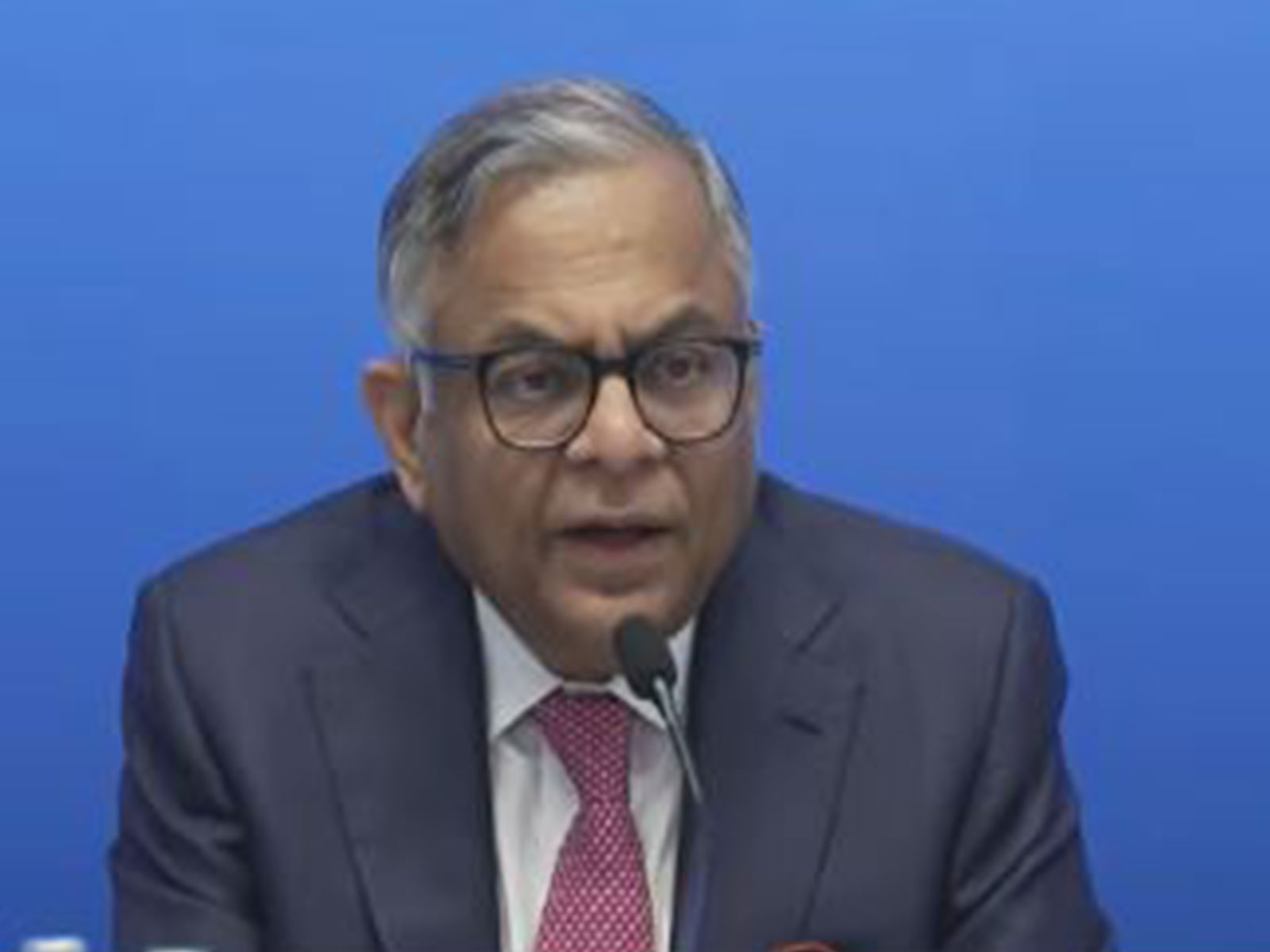
New Delhi [India], June 9 : Tata Consultancy Services (TCS) will have as many AI agents and workers as its human workforce within the next three years, Tata Sons Chairman N Chandrasekaran said on Monday, underscoring the company's growing focus on artificial intelligence as a key driver of future growth.
Speaking at TCS' 31st Annual General Meeting, Chandrasekaran said, "I predict that over the next three years, TCS will have as many AI agents as human employees."
Highlighting the scale of AI adoption within the company, he added, "The day is not very far when TCS will have equal number of AI agents or AI workers as their physical workers."
Chandrasekaran noted, TCS is already investing extensively in AI agents across internal operations, solution frameworks and external operations as part of its broader strategy to capitalise on the rapid evolution of enterprise AI.
He said the company's AI revenues have been growing consistently over the last four quarters, registering a compound quarterly growth rate of more than 22 per cent. TCS' annualised AI revenue reached USD 2.5 billion in the last quarter of fiscal 2026, he noted.
Describing artificial intelligence as a transformational force for the technology services industry, Chandrasekaran said concerns about AI disrupting the sector stem from a misunderstanding of how the technology will reshape enterprise spending.
"Far from being a mortal threat, AI is the most significant opportunity yet for enterprise IT," he told shareholders.
He outlined five major growth opportunities emerging in the AI era. The first is the modernisation of legacy systems, including outdated technology infrastructure and fragmented data environments. The second involves redesigning end-to-end business processes using AI, covering areas such as supply chains and customer journeys.
The third opportunity, he said, lies in governing and managing AI agents to ensure compliance, security and cost efficiency. The fourth is the rise of "sovereign AI", where governments and highly regulated institutions seek greater control over AI infrastructure and data. Chandrasekaran said TCS has already launched sovereign AI initiatives in India and Europe.
The fifth area is "physical AI", which extends AI capabilities into factories, warehouses and vehicles. As an example, he cited a deployment for a global agribusiness company that uses a four-legged robot to monitor hazardous conditions in warehouses.
Despite concerns about AI-led disruption, Chandrasekaran maintained that TCS continues to see strong business momentum. "Margins have held, revenues are up, and the deal pipeline is stronger than ever," he said.
He added that as the cost of intelligence declines, more business processes will increasingly move towards AI-enabled systems. According to him, nearly three-quarters of enterprises worldwide expect technology spending to rise over the next two years, largely driven by AI investments.
"In enterprise AI, the scarcest resource will not be the model. It will be context and trust," Chandrasekaran said, emphasising TCS' long-standing client relationships and regulatory expertise as key advantages.
TCS reported consolidated revenue of Rs 2.67 lakh crore in FY26, up 4.6 per cent year-on-year, while net profit rose 8.8 per cent to Rs 52,820 crore. The company's total contract value exceeded USD 40.7 billion during the year.