Tehran rejects Trump's 'mandatory' Abraham Accords expansion: Iranian envoy Mohammad Fathali
May 29, 2026
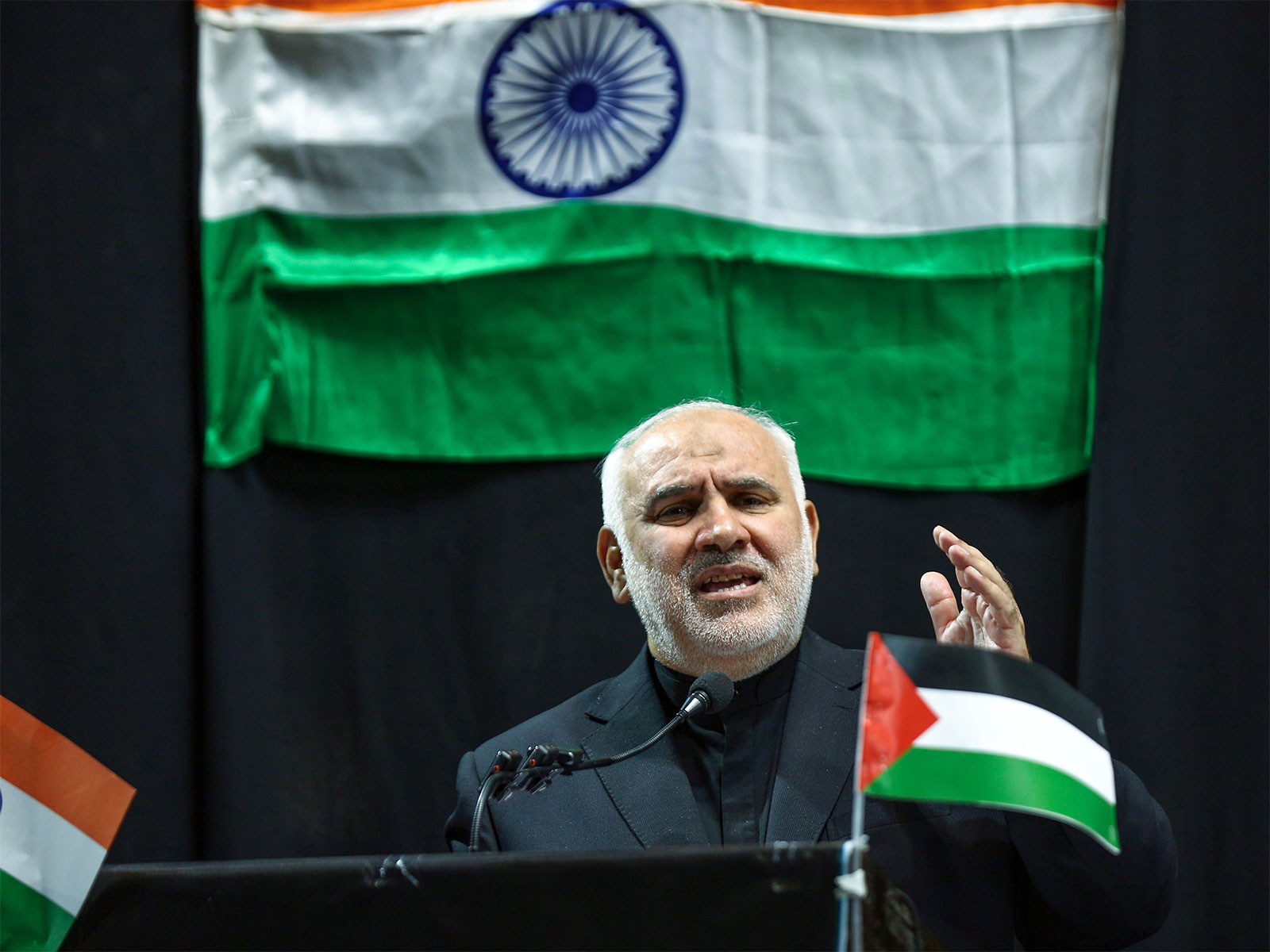
New Delhi [India], May 29 : Iran has firmly rejected US President Donald Trump's sudden push to forcefully expand the Abraham Accords across the Middle East and South Asia, declaring that any durable peace framework must be built on "ground realities" rather than foreign pressure or artificial political shows.
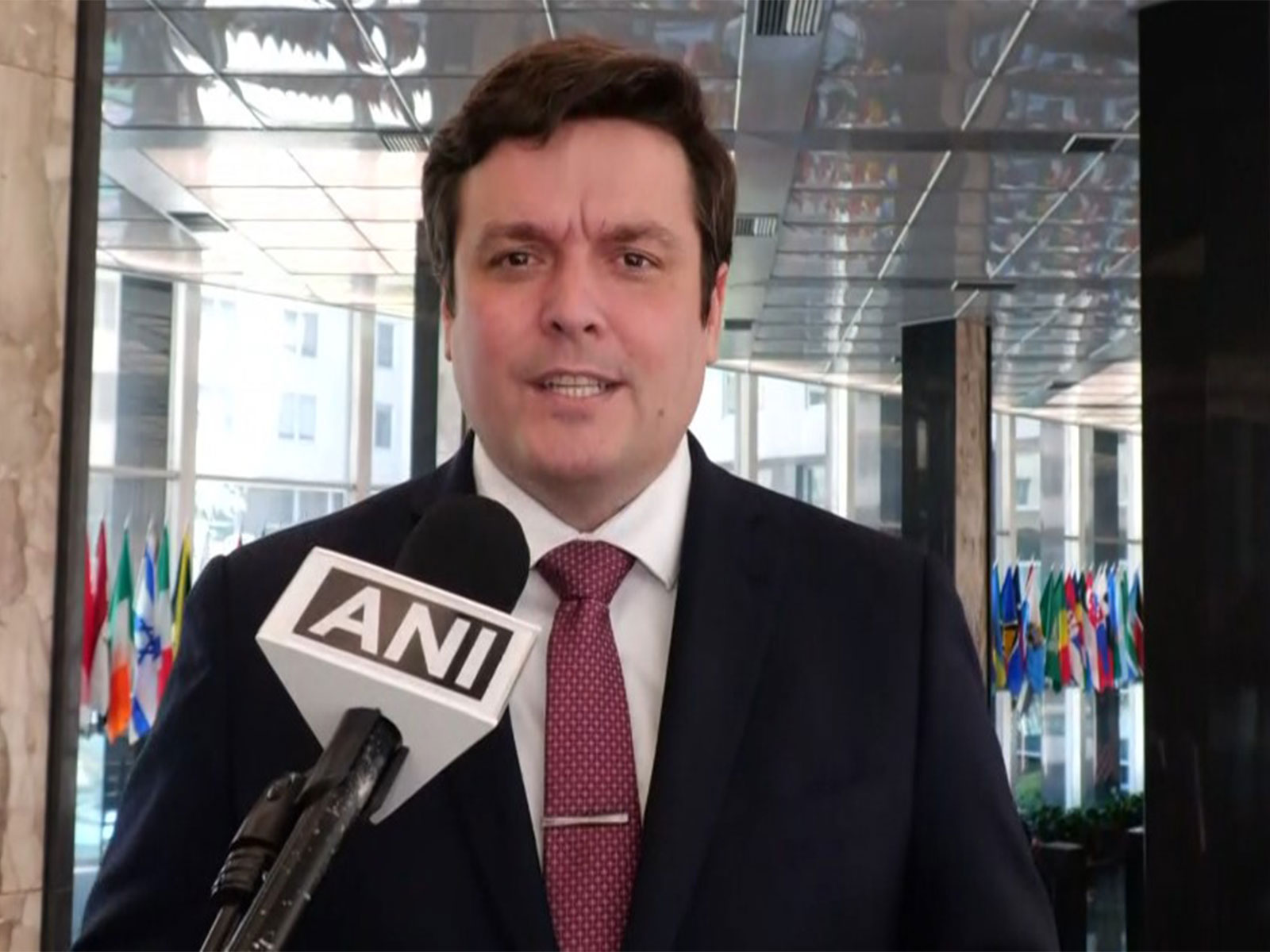
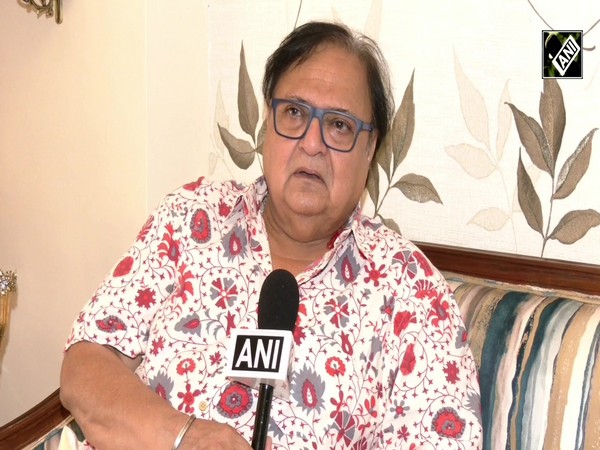
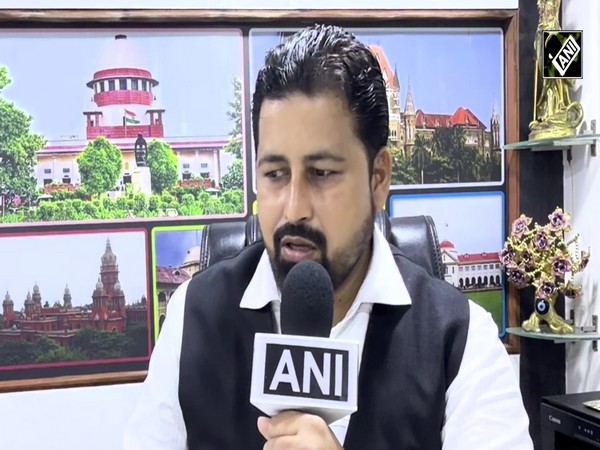
In an interview with ANI, the Ambassador of Iran to India, Mohammad Fathali, warned that Washington's efforts to impose normalisation agreements with Israel on regional nations will face severe challenges because they completely lack a true geopolitical foundation.
Ambassador Fathali's remarks come directly after President Trump issued a sweeping mandate on his social media platform, Truth Social. In a lengthy post, Trump called it "mandatory" for several major Muslim and Arab nations, including Saudi Arabia, Qatar, Pakistan, Turkiye, Egypt, Jordan, and Bahrain, to simultaneously sign onto the Abraham Accords as part of a grand regional settlement tied to ongoing, backdoor negotiations with Tehran.
Fathali pointedly criticised this top-down American approach, stating that true stability can never be manufactured by external forces.
"The Islamic Republic of Iran believes that any real framework for regional peace and stability must be built on the realities on the ground and the interests of the nations in the region," Fathali told ANI. "Agreements that lack a real political and geopolitical foundation, and are instead designed based on short-term considerations and foreign pressure, will not be durable or sustainable."
The Iranian envoy emphasised that from Tehran's strategic perspective, lasting safety in West Asia can only be realised when security architectures are maintained natively by local governments through organic cooperation.
He labelled Western-brokered normalisation treaties as divisive projects designed for optics rather than tangible peace. Fathali noted that Iran is far from alone in its scepticism, pointing out that multiple countries heavily pressured by the US to join the accords have privately or publicly declared the request unacceptable.
The Ambassador stated that the framework fails to align with the domestic and regional considerations of these sovereign nations. "This demonstrates that any regional plan will face serious challenges if it is not built on the political, historical, and social realities of the region, and in our view, imposing these accords on the countries of the region is completely rejected," he asserted.
Despite the immediate pushback from Tehran and signs of hesitation from unaligned nations like Pakistan and Saudi Arabia, President Trump has continued to frame the expansion of the 2020 diplomatic treaties as a necessary prerequisite to concluding a ceasefire with Iran.
Trump maintained on social media that the current complex negotiations with the Islamic Republic are otherwise "proceeding nicely." He claimed that a unified, mandatory signing of the Accords by the listed Middle Eastern powers would yield an "unparalleled World Coalition" capable of bringing true peace to the region for the first time in millennia.
However, with Iran flatly rejecting the premise and refusing to recognise the accords, the diplomatic architecture of Trump's proposed regional package deal faces an immediate stalemate.