Thalassemic patients urge Parliament to pass life-saving bill regulating blood transfusions
Dec 12, 2025

New Delhi [India], December 12 : Thalassemic patients urged Parliament to urgently pass the National Blood Transfusion Bill, 2025, which aims to regulate blood transfusions and ensure safe blood for patients.
The National Blood Transfusion Bill, 2025, a private member bill, was proposed by MP Parshottambhai Rupala in Lok Sabha and by Dr Ajeet Madhavrao Gopchade in Rajya Sabha. The Bill aims to regulate the collection, testing, processing, storage, distribution, issuance, and transfusion of human blood and blood components, to ensure health protection and prevention of transfusion-transmissible diseases.
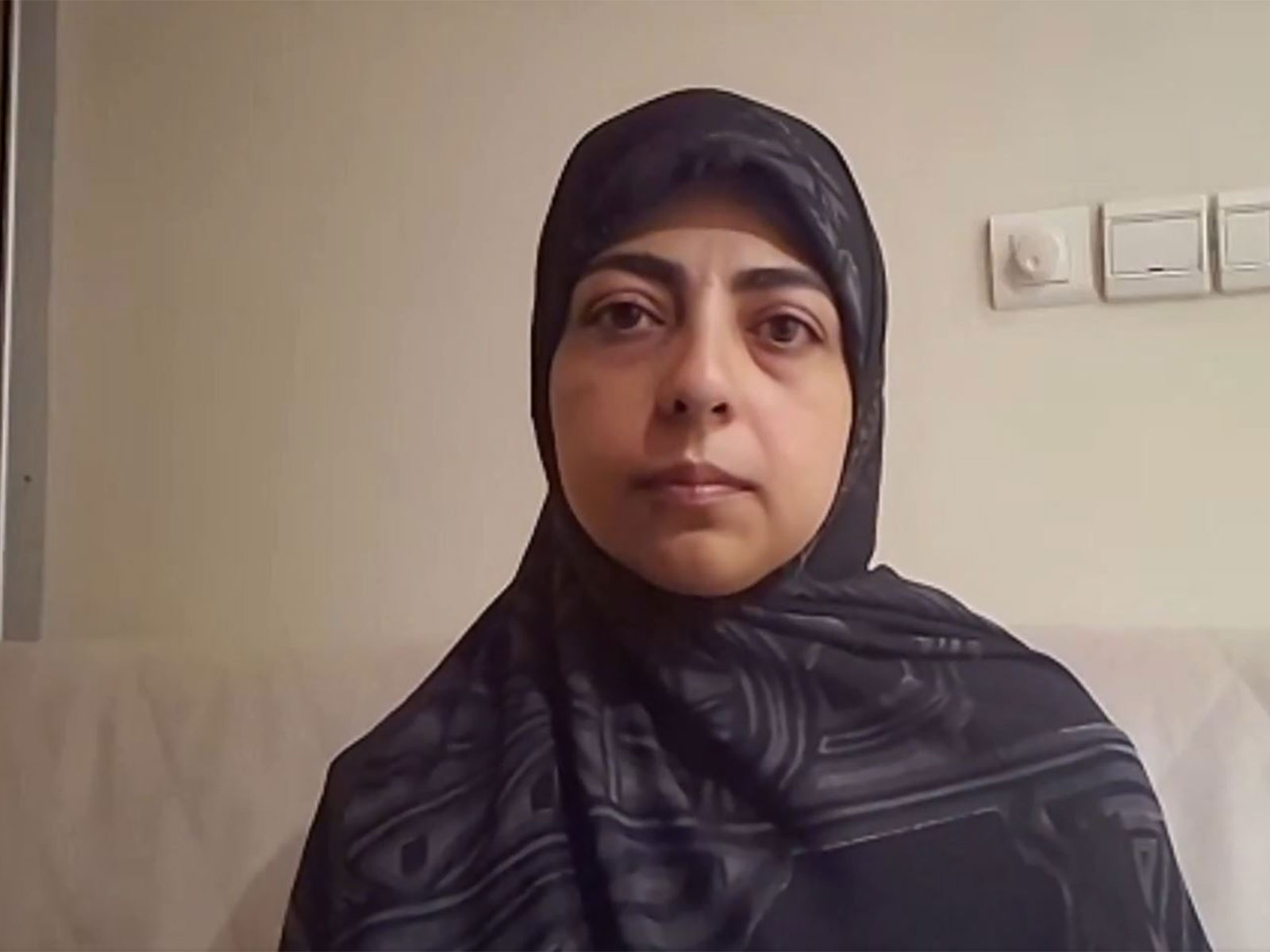
Patients like Suneha Paul, who contracted HIV through a blood transfusion, are hopeful that the bill will bring safer blood and better healthcare.
A beta thalassemia patient, Suneha from West Bengal, faces challenges each day in her life. She tested positive for Thalassemia when she was just 2 months old and contracted HIV when she was 8 years old, old due to transfusion of HIV infected blood in her body. She has been receiving blood transfusions every two weeks.
Suneha Paul, a 23-year-old beta thalassaemia patient, said, "I was diagnosed at two months old and have been receiving blood transfusions every two weeks. In class eight, I was diagnosed with HIV, which added to my challenges. I appreciate the authorities' efforts in ensuring safe blood transfusions, a crucial aspect of patient care. Thank you for prioritising this matter and making a difference in the lives of patients like me. I am grateful for the serious measures being taken--your efforts are truly lifesaving."
"Every day is a challenge for patients like me to live and fight the stigma of HIV for no fault of ours. I thank both Hon'ble Members of Parliament for tabling this important bill in Parliament. I strongly urge all Members of Parliament to pass this bill at the earliest," she said.
The Thalassaemia Patients Advocacy Group (TPAG) warmly welcomes and deeply appreciates the introduction of the National Blood Transfusion Bill 2025 by MP Parshottambhai Rupala. For India's thalassaemia community, which depends on safe, uninterrupted, and quality-assured blood transfusions for survival, this legislation marks a historic and long-awaited.
This momentum is further strengthened by the parallel Bill introduced in the Rajya Sabha by Dr Ajeet Madhavrao Gopchade, reflecting a coherent and serious parliamentary commitment to reforming one of India's most under-regulated yet life critical public health areas.
The proposed legislation seeks to create a dedicated National Blood Transfusion Authority, set uniform national standards for the collection, testing, processing, storage, distribution, issuance, and transfusion of blood and blood components, mandate registration of all blood centres, strengthen haemovigilance, promote voluntary blood donation, and introduce strict penalties for unsafe or non-compliant practices. These provisions directly address long-standing concerns faced by patients, caregivers, and clinicians due to fragmented regulation and inconsistent quality.
Speaking on behalf of the thalassaemia community, thalassaemics across India expressed deep appreciation for this renewed legislative focus and its commitment to strengthening safe and equitable access to blood. For lakhs of patients who rely on blood as their lifeline, this reform offers hope for a safer, more accountable, and more efficient blood ecosystem. A unified national framework will play a pivotal role in strengthening safety, quality assurance, accountability, and public trust.
Professor NK Ganguly, former Director General of the Indian Council of Medical Research (ICMR), said, "Strengthening the governance of blood transfusion services is essential for ensuring safety and public trust. I hope the proposed bill provides a much-needed, science-based framework to streamline standards and improve patient outcomes."
Anubha Taneja Mukherjee, Member Secretary of TPAG, highlighted how blood transfusion is a lifeline for patients, with the bills recognising the urgency for the need of a national framework to protect patients.
"For thousands of thalassaemia patients, blood is not a treatment. It is a lifeline. These Bills finally recognise the urgency of building a strong and unified national framework to ensure safe and equitable access to quality blood. We deeply appreciate this legislative step and urge Parliament to prioritise and pass this law at the earliest," she said.
The dignity, safety, and future of patients cannot wait any longer. TPAG will also be submitting detailed comments on the Bill and strongly urges that patient representation be included in any body constituted under this framework to ensure lived experiences inform policy and implementation, she added.
Deepak Chopra, President of Thalassemics India, said, "This Bill represents a transformational shift in how India approaches blood safety. For decades, patients have struggled with inconsistent quality and systemic gaps. A national framework will finally bring uniformity, accountability, and dignity to patient care. We welcome this landmark step."
Nehal Dhingra, living with Thalassemia Major since age two, talked about how transfusions have become part of a routine for her, underscoring the importance of patients receiving safe blood.
"Blood transfusions have shaped my routines, my challenges, and ultimately, my strength. Safe blood is everything for someone who depends on it to survive. The newly tabled National Safe Blood Bill brings hope for a healthier, more secure tomorrow for thousands of patients. I am deeply grateful for this Bill," she said.
The National Blood Transfusion Bill proposes various steps to take to ensure a national framework is set up for transfusions. It suggests that the Central government shall set up a "National Blood Transfusion Authority," with members of the medical community being included in it, including a Transfusion Medicine expert from a private blood centre, two representatives from the National level voluntary blood donor organisations (with one representative from state blood transfusion council), and not more than 3 members who have expertise in the field of blood transfusion or public health.