"This is wrong constitutionally": Congress' Sandeep Dikshit on VB-G RAM-G Act
Jan 23, 2026
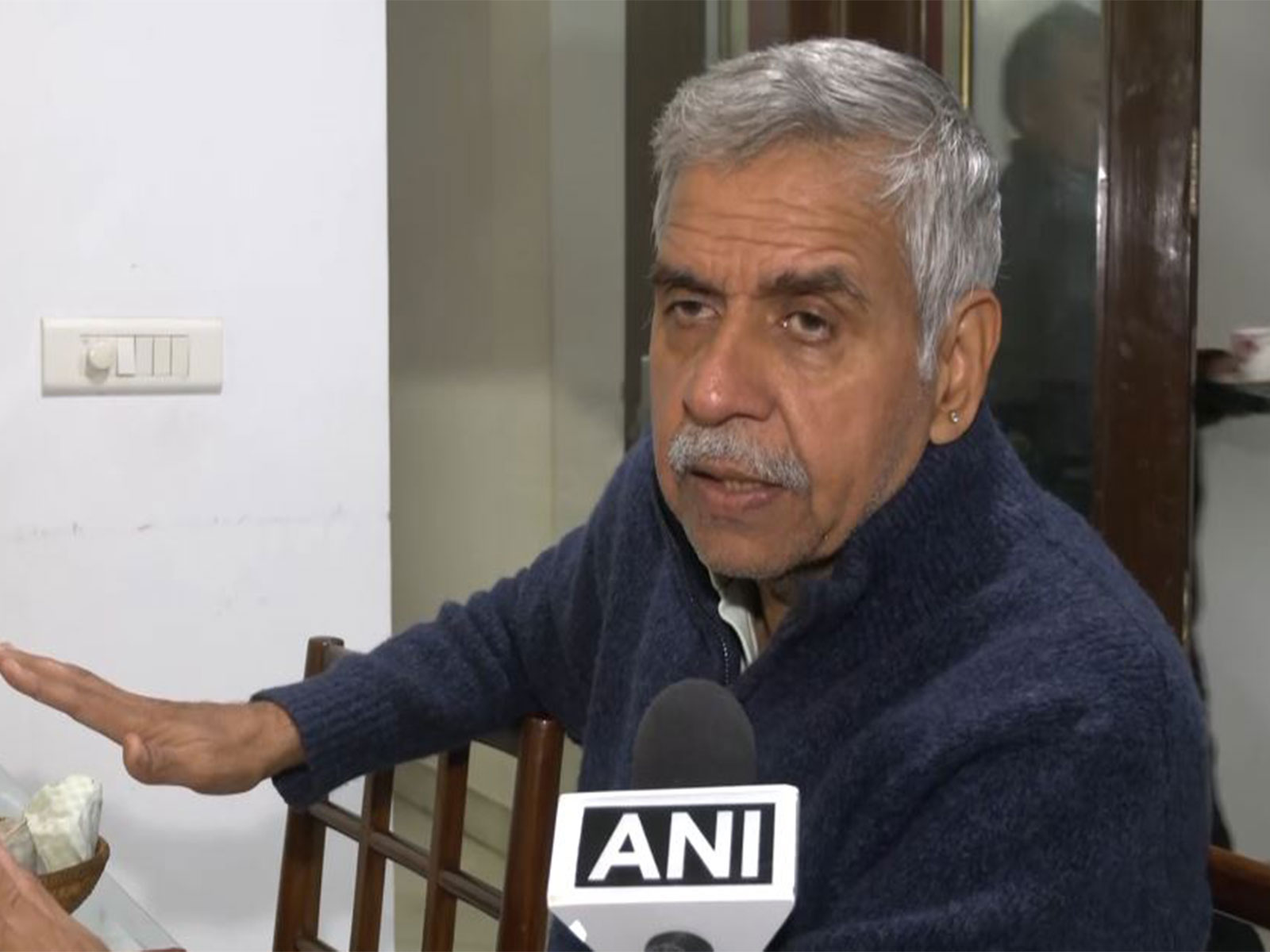
New Delhi [India], January 23 : Congress leader Sandeep Dikshit on Friday criticised the Centre over the allocation of funds between the states and the Centre under the VB-GRAM G scheme, alleging that the move is unconstitutional.
He also accused the government of discriminating between BJP-ruled and non-BJP-ruled states.
Speaking to ANI, Dikshit said, "Where did this 60:40 ratio come from (for VB-G RAM G funds share)? There are two main reasons behind this. Now, it is the Central Govt which will decide where the work will be done and how much work will be done where. They will allocate funds to BJP-ruled states, not to non-BJP states. This is wrong constitutionally. No Govt of India has not discriminated among states to date. This Govt is going to do that."
The VB-G RAM G Act was passed in the Winter Session of the Parliament in 2025, and replaces the 100-day employment guarantee with a 125-day guarantee. However, the Opposition has criticised the legislation for removing Mahatma Gandhi's name and for removing the 60:40 share of funds between the Centre and states.
Earlier in the day, Tamil Nadu Chief Minister MK Stalin moved a special resolution in the State Assembly, urging the Union Government to protect the demand-driven nature of the Mahatma Gandhi National Rural Employment Guarantee Act (MGNREGA) and ensure adequate fund allocation based on employment demand and state performance.
The resolution emphasised that rural households are legally entitled to work under the scheme whenever demanded and that timely wage payments are a fundamental obligation of the Centre.
It called for the 100-day rural employment programme to continue in the name of Mahatma Gandhi, in remembrance of the principles and guiding values laid down by the Father of the Nation.
Highlighting rising economic distress, price fluctuations, and the loss of livelihoods in rural areas, the Chief Minister noted that demand for employment under MGNREGA has increased significantly. However, the Union Government's allegedly insufficient fund allocation has led to denial of work, delayed wage payments, and accumulation of pending dues, affecting workers' livelihoods.
The resolution also criticised the Centre's new system, VB-G-RAM-G, and other technological and administrative changes such as mandatory digital attendance and new payment mechanisms, which, according to the State Government, have excluded genuine workers, particularly the elderly and those without digital access.