Trump signs executive order banning foreign equipment from US grid
Aug 26, 2026
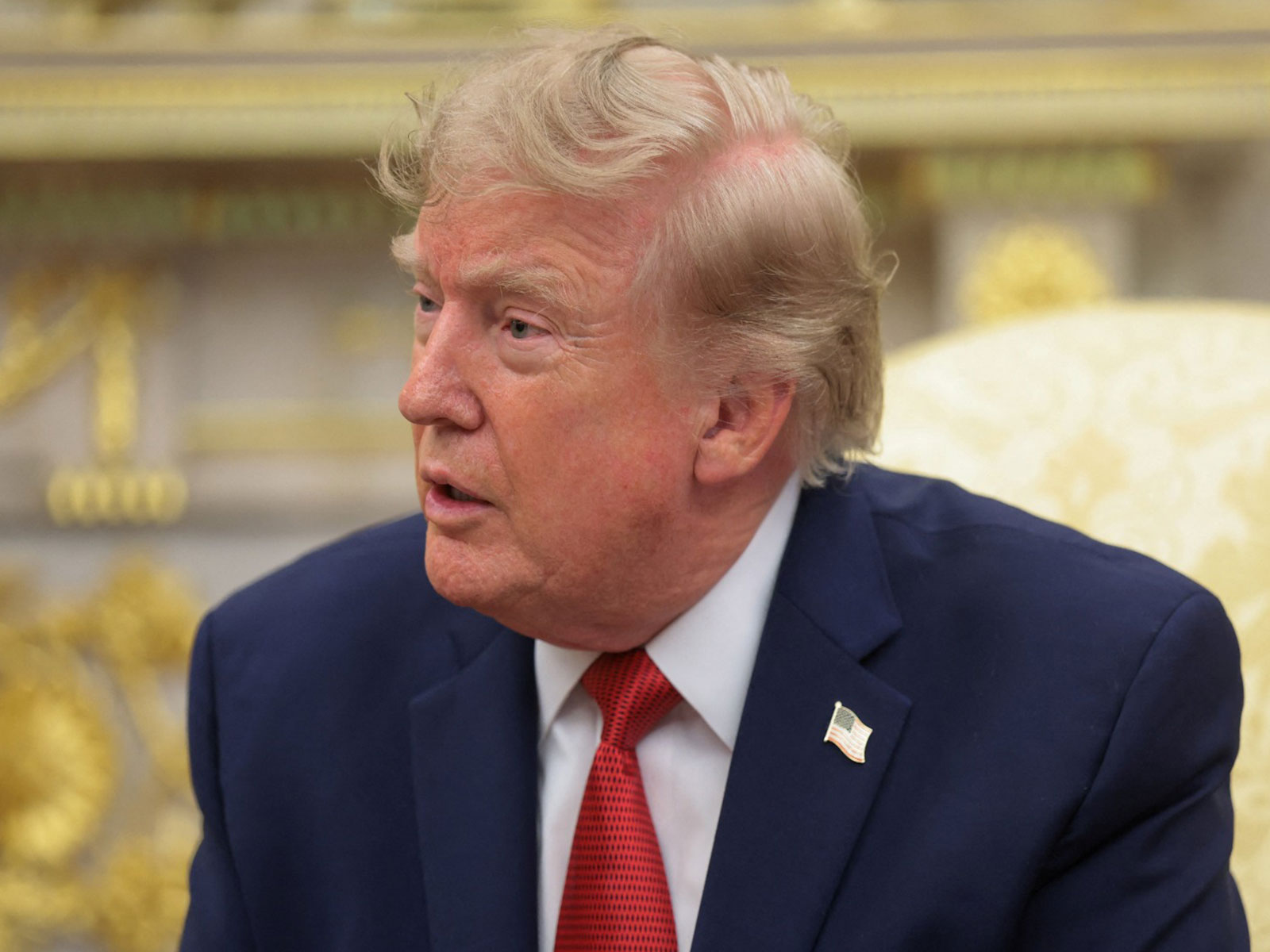
Washington DC [US], August 27 : US President Donald Trump declared a national emergency over what his administration said were vulnerabilities in the country's bulk-power system, citing concerns that foreign-produced equipment could be exploited to threaten the US electricity grid.
In Presidential Executive Order 14420, signed on Wednesday (local time), Trump said his "highest duty is protecting the national security, foreign policy, and economy of this country" and determined that foreign supplies of bulk-power system electric equipment posed an "unusual and extraordinary threat."
The administration said the US power grid was critical to national defence, emergency services and the economy, while also highlighting its growing importance to advanced manufacturing, defence production, artificial intelligence and data centres.
The order pointed to what it called "minimal restrictions on acquisition or operation in the United States of foreign-produced bulk-power system electric equipment" and stated these restrictions "augment the ability of some foreign entities to create and exploit vulnerabilities."
It further warned that foreign-produced equipment could contain "digital backdoors built into their systems that allow a foreign country to access that equipment remotely."
Under the order, transactions involving foreign-produced bulk-power system equipment could be prohibited if the Secretary of Energy, in consultation with other Cabinet members, determined that they involved a "Covered Foreign Entity."
The restrictions applied to equipment that the administration believed posed an "undue risk of sabotage, subversion, unauthorized access, malicious remote action, or supply disruption" to the US bulk-power system.
The order covered equipment including substation transformers, large generators, industrial control systems and battery energy storage systems.
However, the White House Fact Sheet clarified that "The Order does not apply to facilities used for local distribution of electric energy," with the measures focused on the high-voltage transmission system.
The administration also sought to address equipment that was already installed. Under the order, the Secretary of Energy could require potentially vulnerable foreign-manufactured equipment to be "identified, isolated, monitored, secured, disconnected, replaced, or removed" if it posed an unacceptable security risk.
The order also called for criteria covering "pre-qualified equipment and vendors", which the administration said would help shift future purchases towards trusted suppliers and more secure supply chains.
Another key element of the order was the administration's push for domestic manufacturing of energy infrastructure.
The Secretary of Energy and the Federal Acquisition Regulatory Council were directed to revise procurement regulations to "ensure that national security risks are adequately considered in any Federal procurement concerning energy infrastructure and to prioritize the acquisition of United States-manufactured energy infrastructure."
The White House Fact Sheet said, "President Trump has long recognized that America's national security and economic strength depend on rebuilding key sectors of its industrial base and their supply chains."
According to the administration, the policy aimed to reduce US dependence on foreign suppliers for components required for "abundant, reliable electricity."
The White House also linked the order to a broader series of measures taken by the Trump administration on national security and supply chains, including a June 2026 order concerning AI and cybersecurity, a July 2026 order focused on defence supply chains and an August 2026 proclamation concerning foreign-produced drones.
The administration also cited an April 2025 order that it said prevented 17,000 megawatts of power plants from being forced offline due to environmental regulations, which it said "reduced costs for consumers and enhanced grid reliability."
Trump's order invoked the International Emergency Economic Powers Act (IEEPA), with the administration saying the measure aimed to prevent foreign actors from "crippling critical infrastructure."
The White House framed the move as part of efforts to strengthen US energy security, rebuild domestic industrial capacity and reduce potential vulnerabilities in the country's electricity supply chain.