Trump's tariff threat on India "self-inflicted wound", caused "real trouble" in relations, says Ex-US NSA Bolton
Jan 06, 2026
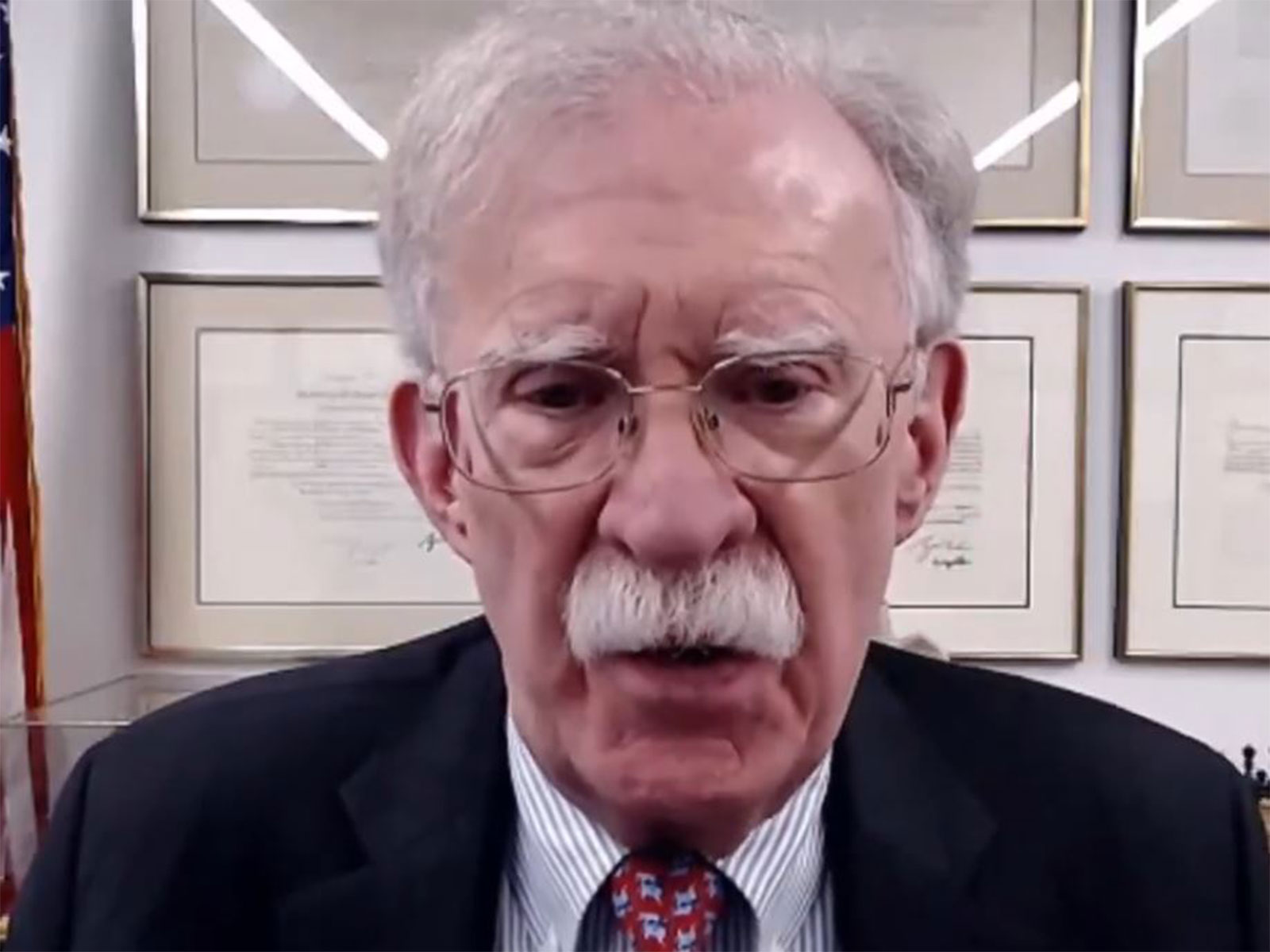
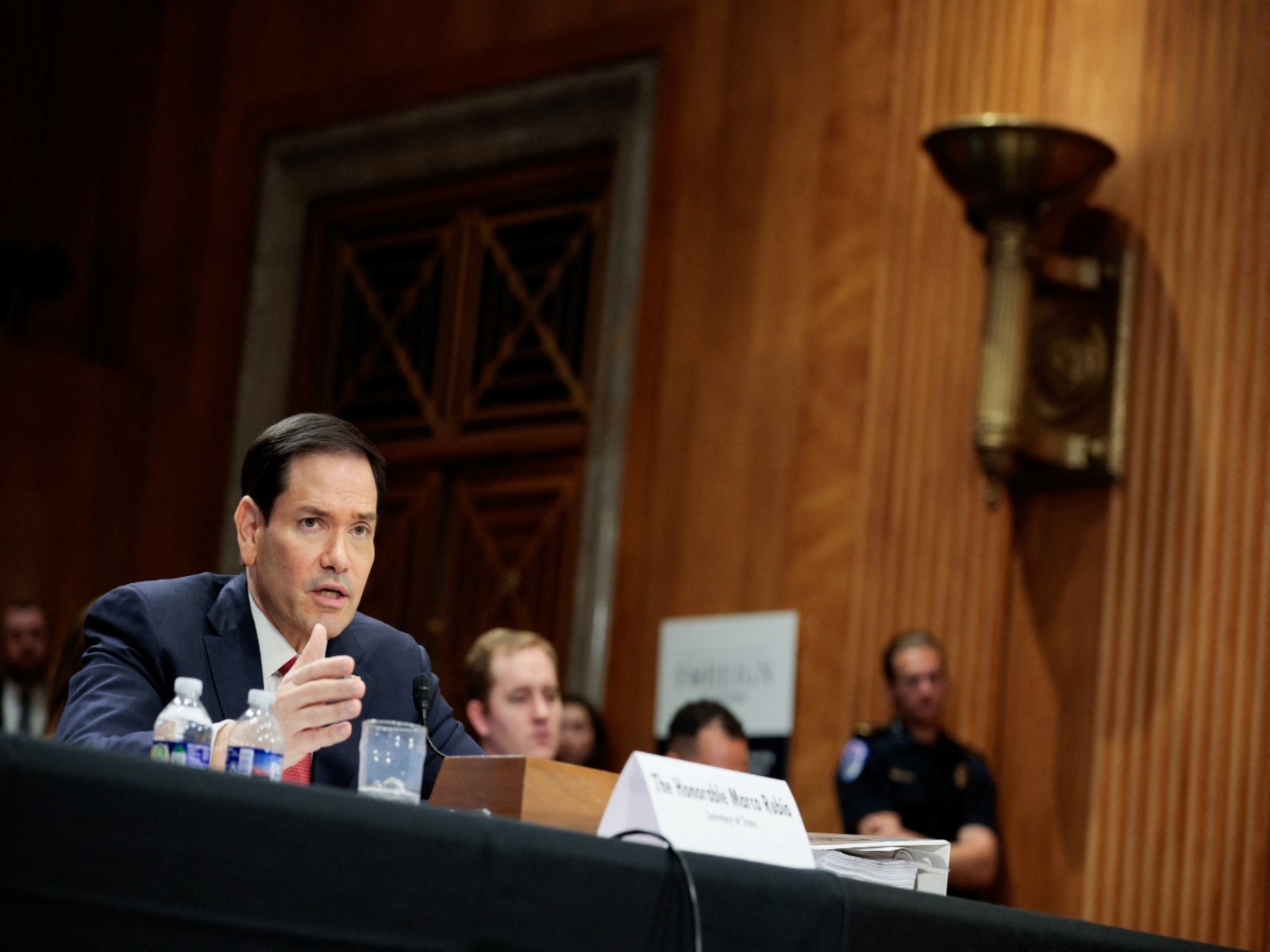
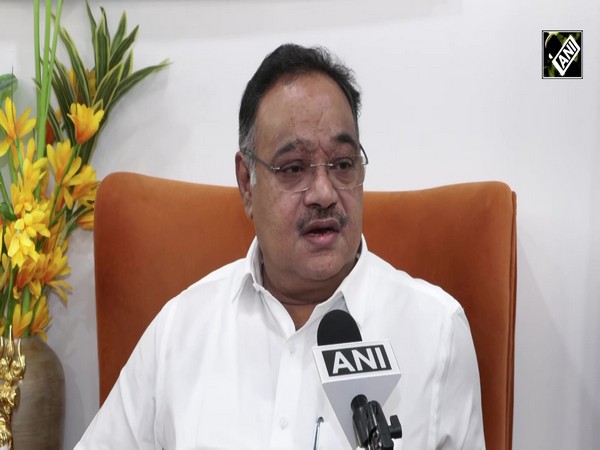
Washington DC [US], January 6 : Former US National Security Advisor John Bolton on Tuesday described US President Donald Trump's recent threat of imposing additional tariffs on India as a "self-inflicted wound" that caused significant strain in India-US relations, noting that the move showed that the US President doesn't have any "strategic sense" about Washington's best interests.
Speaking to ANI, Bolton slammed Trump's approach to international strategy, noting his repeated assertion of "taking control" of Greenland, which, according to the former NSA, who was also part of the Trump administration in his first term, has caused "disarray" in the NATO alliance at a time when Washington's focus should be on threats like China.
"It helps show why Trump really doesn't have any strategic sense at all for what's in America's best interest. Talking about taking about Greenland has caused disarray in the NATO alliance and could cause permanent damage at a time when we are facing such a threat from China and its hegemonic aspirations," Boltan said.
He noted that instead of prioritising cooperation with key partners such as India, Japan, South Korea, and Taiwan to counter China in the South China Sea, Trump focused on tariffs and Russian oil imports.
"We need to be working with India, Japan, South Korea, Taiwan, and others against that threat. But Trump is just obsessed with these tariffs and the oil sales. He has added a tariff on India, but not on China, which purchases considerably more Russian oil, or on other countries like Turkey that buy a lot of Russian oil. It caused real trouble in the US-India relations. And it's a self-inflicted wound by Trump himself," Bolton said.
The former NSA suggested that direct dialogue between Trump and Prime Minister Narendra Modi could help resolve the crisis, noting that Trump "believes he has a very good personal relationship with [PM] Modi," which might be leveraged to move past the dispute.
"I wish there were some way we could get him and Modi talking directly again and see if they could find a solution. I think Trump believes he has a very good personal relationship with Modi and maybe that's a way to get this crisis behind us," Bolton added.
The former US NSA's remark comes after the US President issued fresh warnings on Sunday that the US would raise tariffs on New Delhi if it continued to purchase Russian oil.
Trump, aboard Air Force One, claimed that PM Modi was aware of his displeasure over the issue, stating that it was important for New Delhi to keep him happy.
"PM Modi's a very good man. He's a good guy. He knew I was not happy. It was important to make me happy. They do trade, and we can raise tariffs on them very quickly," Trump said.
India already faces a 50 per cent tariff on its imports to the US, 25 per cent of which is due to its purchase of Russian oil, which Washington claims fuels Moscow's war efforts in Ukraine.
On the White House's priorities for 2026, Bolton stressed that the top concern should be the threat from China, citing its growing military power and tensions in the South China Sea, Taiwan, and along the Line of Actual Control with India.
He listed Russia's ongoing war in Ukraine as the second priority and identified Iran and North Korea as tied for third, highlighting Iran's nuclear ambitions and North Korea's expanding arsenal.
"I would worry about the threat from China. I think that's the top priority in the 21st century. We've seen continued growth in Chinese military power. It poses a clear threat to peace and security in the South China Sea, around Taiwan and along the Line of Actual Control with India... Russia conducting an aggressive war in Ukraine would be the second. Iran and North Korea would tie for third place due to their ongoing threats. In Iran's case to develop nuclear weapons and in North Korea's case to improve and expand its arsenal," he said.
Bolton further emphasised the need for closer US-India collaboration to address these challenges, calling the current global security environment "very dangerous" and underscoring the importance of strategic partnerships in maintaining peace and stability.