Union Minister Jitendra Singh hails space, nuclear energy reforms under PM Modi, calls government's tenure a "hit"
Jun 20, 2026
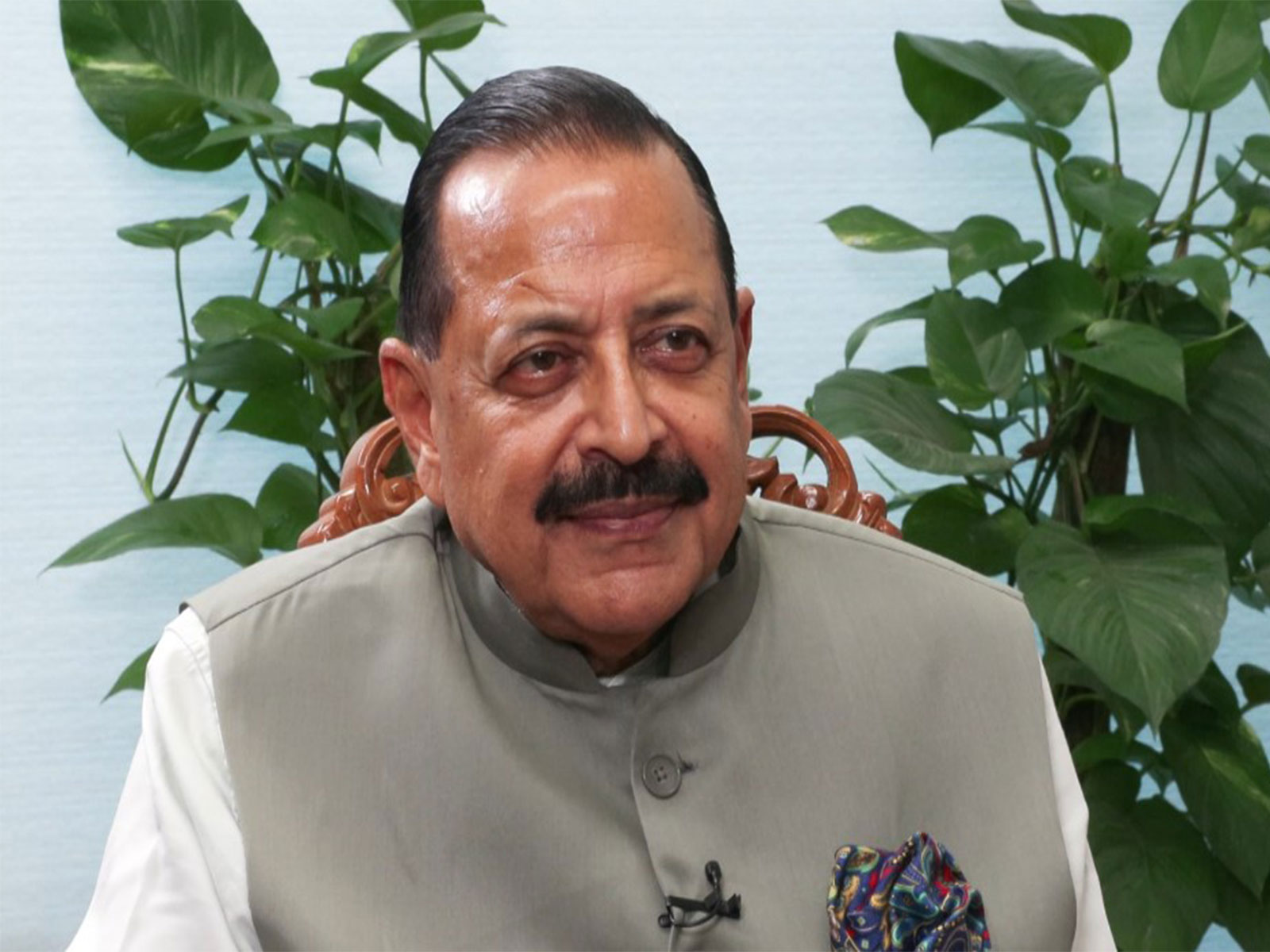
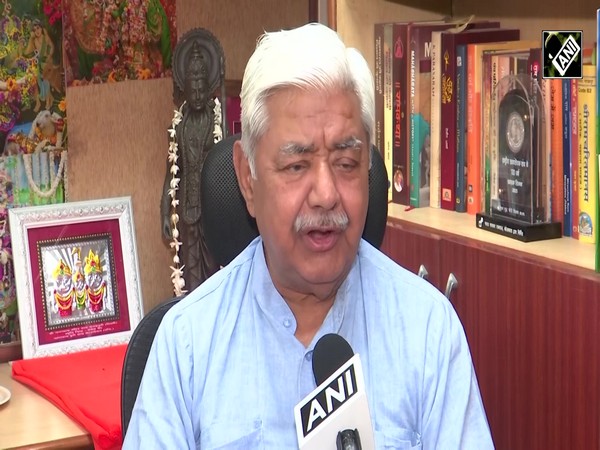
New Delhi [India], June 20 : Union Minister of Science and Technology, Jitendra Singh Rana, on Saturday hailed the government initiatives in the space sector, nuclear energy, and science and technology as a "hit", asserting that even if there are setbacks, the subsequent outcomes have delivered bigger successes.
In an interview with ANI, Singh described his tenure as a hit. Responding to questions on whether there have been any "hits or miss", Singh said, "Obviously, it is a hit, and even if it is a miss, the next action is the bigger hit." Citing India's space journey, he referred to the Chandrayaan programme and said the country overcame initial setbacks to achieve landmark success in lunar exploration.
"During the Chandrayaan mission, in the second attempt, we did not get the desired results, but in our third attempt, we became the first country to land on the South Pole of the Moon," he said, adding that India's progress in space exploration, despite starting later than the United States and Russia, reflects a sustained policy push under Prime Minister Narendra Modi.
Singh credited the Prime Minister for promoting scientific temperament and aligning India's research ecosystem with global benchmarks. He also highlighted the liberalisation of the nuclear sector, saying it is aimed at boosting development and encouraging private participation in strategic sectors.
On nuclear energy reforms and private participation, the Minister said the opening up of the sector is already showing impact. "Now it is almost 9 billion, and it will contribute to the overall growth of the country," he said, adding that foreign direct investment is also flowing into science and space technology due to regulatory relaxations.
The recently passed Sustainable Harnessing and Advancement of Nuclear Energy for Transforming India (SHANTI) Bill opens avenues for participation by joint ventures and private companies, subject to strict national security and safety safeguards.
SHANTI Bill provides for the promotion and development of nuclear energy and ionising radiation for nuclear power generation, application in healthcare, food, water, agriculture, industry, research, environment, innovation in nuclear science and technology, for the welfare of the people of India, and for robust regulatory framework for its safe and secure utilisation and for matters connected therewith or incidental thereto.
Speaking on energy security, Singh said India is working towards reducing dependence on external sources and accelerating clean energy adoption. He projected that by 2047, nuclear energy would account for around 15 per cent of India's electricity generation, while renewables would contribute nearly 75 per cent, along with diversification into ocean energy.
Addressing concerns over research and development spending, he said India's gross expenditure on R&D has doubled since 2014, while noting that comparisons with the United States and China must account for their strong private-sector and philanthropic contributions.
On the Gaganyaan mission, Singh said efforts are underway to send at least one astronaut into space next year under the programme.
Touching upon Jammu and Kashmir, the Minister said there has been a visible change in mindset and rising aspirations among students from smaller towns, contrasting the development in India with Pakistan-occupied Kashmir.
Commenting on political organisations, Singh said cadre-based parties demonstrate greater stability, while parties driven by family structures tend to face limitations in longevity and internal cohesion.