US-Israel consider Special Forces deployment to seize Iran nuke stock: Axios report
Mar 08, 2026
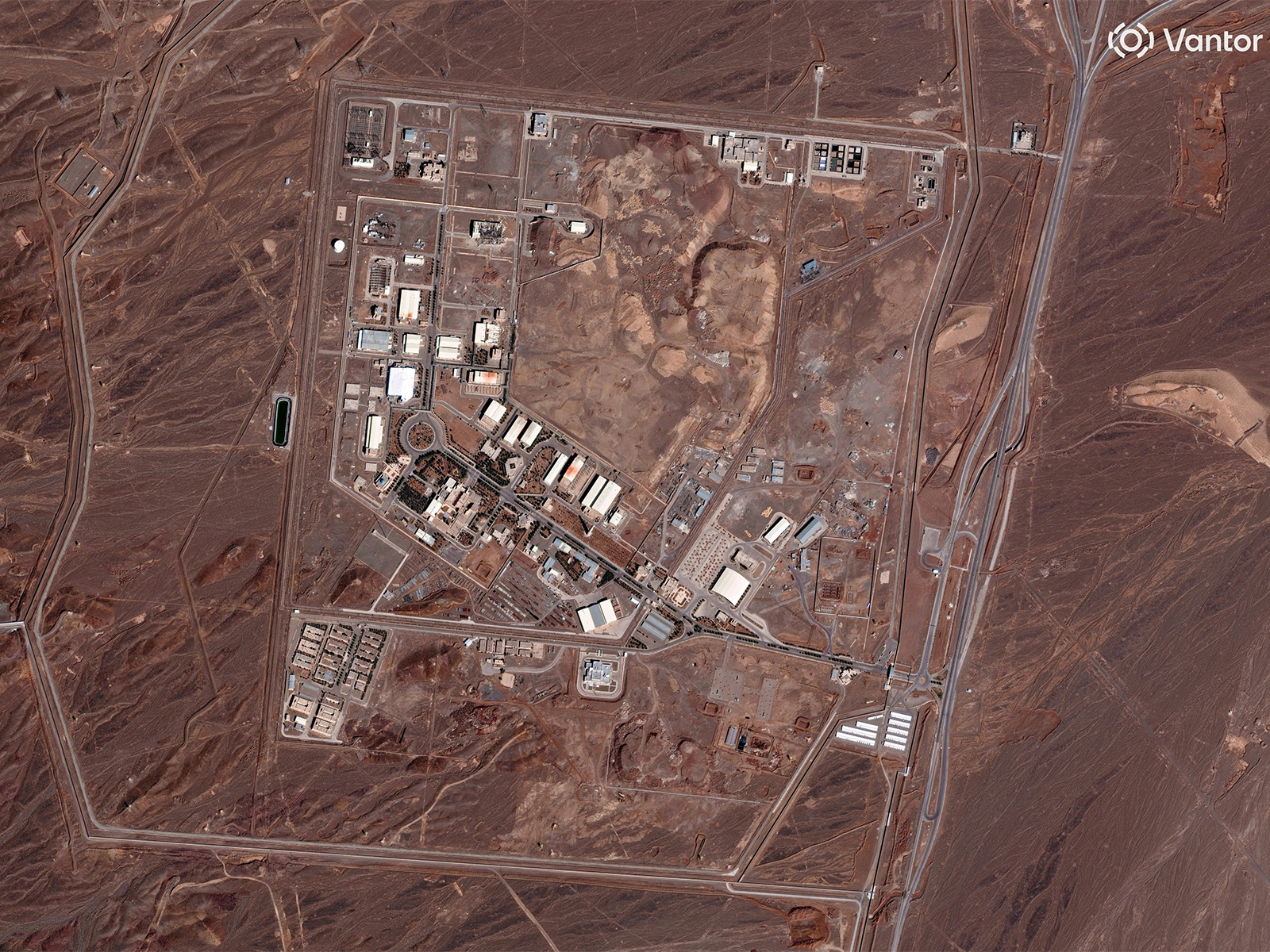
Washington, DC [US], March 8 : The US and Israel have held discussions regarding the potential deployment of special forces into Iran to secure the country's stockpile of highly enriched uranium, as reported by Axios.
According to four sources with knowledge of the discussions cited by Axios, such an operation would be considered at a later stage of the ongoing war. The move highlights the critical focus on Iranian nuclear assets as hostilities continue to escalate.
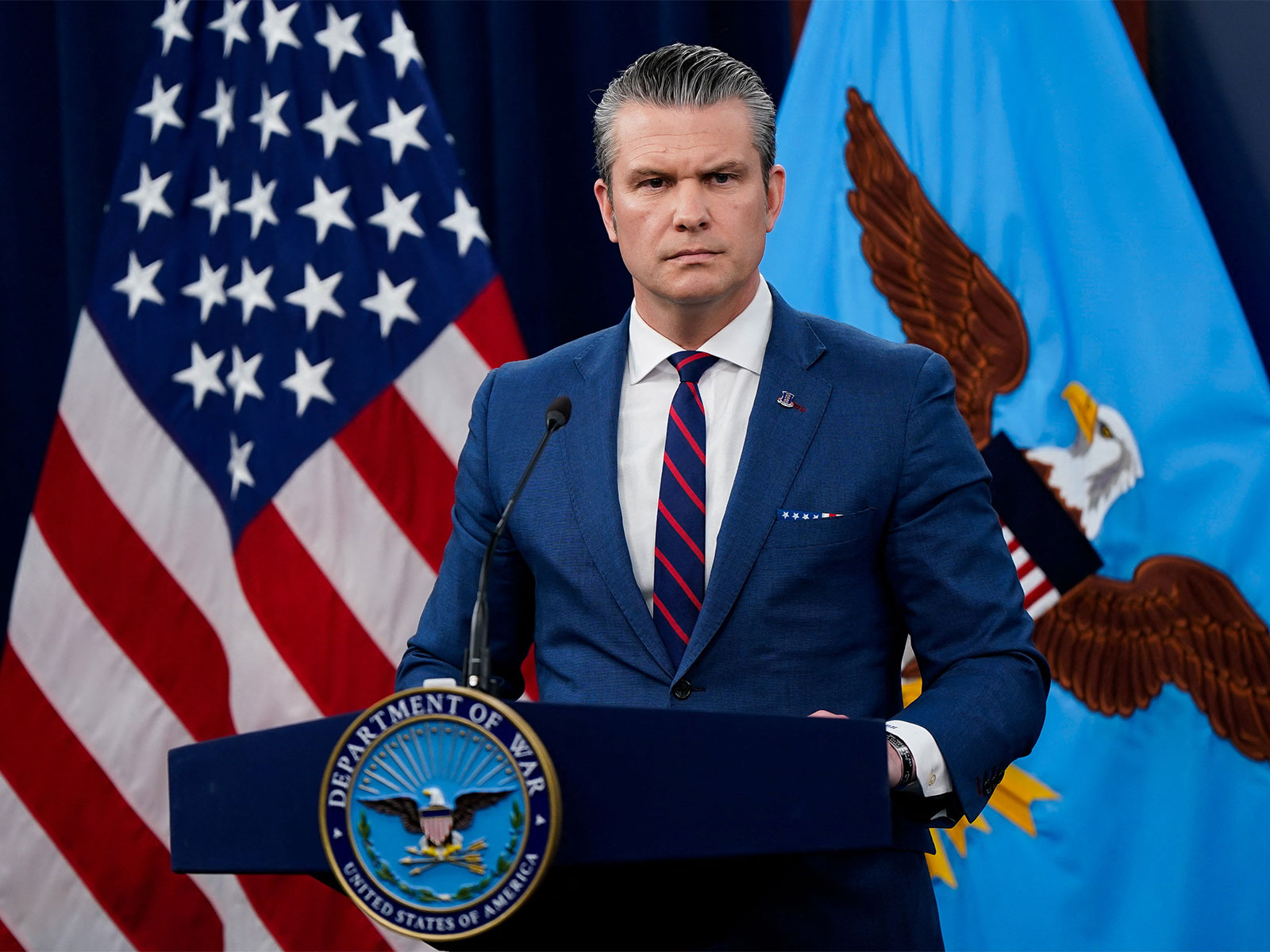
Reinforcing this strategic objective, United States Secretary of War Pete Hegseth has issued a new threat via social media, warning of lethal consequences for any entities that target American citizens.
The warning, shared in a post by United States Central Command (CENTCOM) on X, underlined the administration's uncompromising stance on national security. "If you kill Americans, if you threaten Americans anywhere on earth, we will hunt you down without apology and without hesitation, and we will kill you," US Secretary of War Pete Hegseth was quoted as saying.
Accompanying this stern message, a 21-second video clip was released, providing a visual demonstration of the military's current reach. The footage showcased a series of "unclassified" images of vehicles and structures being bombed and destroyed by US forces during recent operations.
Hegseth's remarks align with recent claims made by US President Donald Trump, who asserted on Saturday that the United States has successfully neutralised the entire Iranian leadership. The President characterised these military operations as the removal of a significant "cancer" from the global stage.
Reflecting on the week-old hostilities while travelling to Miami aboard Air Force One, the President maintained a confident outlook on the progress of the campaign. "We're winning the war by a lot. We've decimated their whole evil empire. It'll continue, I'm sure, for a little while. The war itself is going unbelievably. It's as good as it can be," Trump asserted.
During his briefing, the President provided a detailed list of the strategic military gains achieved by American forces, stating that the offensive had effectively dismantled Iran's maritime and aerial capabilities. "We've wiped out their (Iranian) navy, 44 ships. We've wiped out their air force, every plane. We've wiped out most of their missiles," he noted.
Trump further suggested that the capability of the Iranian regime to launch offensive strikes has been severely curtailed. "You see the missiles aren't coming much anymore. We've also hit their manufacturing areas where they make the missiles very hard. Their drone capacity is way down, and we've hurt them where it hurts, including about every form of leadership you can have; we've wiped out," the President added.
Amidst the military successes, the President addressed reports concerning the bombing of an elementary girls' school in Iran. He categorically dismissed allegations of American responsibility, instead attributing the incident to the failure of Iranian hardware and the "inaccuracy" of their military assets.
"No, I don't believe so. Based on what I've seen, that was done by Iran. We think it was done by Iran because they're very inaccurate, as you know, with their munitions. They have no accuracy whatsoever. It was done by Iran," Trump said.
When questioned about the initial six-week projection for the military mission, the President declined to provide a specific end date, though he emphasised that the Iranian armed forces were on the verge of collapse. "I never project time, whatever it takes. But the (Iranian) military is almost nonexistent. We could hit their military itself very hard, but maybe we will, maybe we won't. We haven't made that determination," the US President said.
The President also highlighted the extensive damage dealt to the industrial infrastructure supporting the Iranian military. "We've hit the manufacturing very hard. They're at about nine per cent of what they sent out in the first two days, and we think that's because they don't have that much. We've also knocked out about 70 per cent of the rockets, of the launchers. The launchers are a big deal, very hard to get, very expensive," he explained.
Speaking alongside the President, US Special Envoy Steve Witkoff indicated that a diplomatic breakthrough remained a possibility, though the decision ultimately rests with the White House. "I think there is. I think that's going to be up to the President, that's what I think," Witkoff said.
However, the envoy noted that past discussions had been hindered by Tehran's refusal to compromise. "But they didn't seem to be very amenable in that first set of negotiations. You heard what I said. They said we have the inalienable right to enrich. They bragged about having 60 per cent enriched fuel, enough for 11 bombs. And they told me and Jared, we're not going to give you diplomatically what you couldn't take militarily. So you know, I think they're going to need a change of attitude," he added.
These significant developments are the result of a joint US-Israel military operation on 28 February, which led to the death of Supreme Leader Ayatollah Ali Khamenei and several other high-ranking officials.
In the aftermath of that strike, Tehran initiated a major retaliatory campaign, launching drones and ballistic missiles at US assets and regional partners, including Israel, Bahrain, Kuwait, Qatar, Saudi Arabia, the United Arab Emirates and Jordan. This escalation has notably increased the danger to both local civilians and the expatriate population across West Asia.
Simultaneously, the Israel Defence Forces (IDF) have announced that the Israeli Air Force (IAF) conducted targeted strikes against multiple Iranian military assets in the capital city. In a post on X, the military official account stated: "STRUCK: Several Fuel Storage Complexes Belonging to the IRGC in Tehran."
The operation, which was "Guided by IDF intelligence," targeted specific locations that the military identified as hubs for the distribution of resources to various armed units. The IDF noted that the "IAF struck these complexes, where the Iranian terrorist regime would distribute fuel to multiple military entities in Iran."
Regarding the impact of the mission, the military asserted that "The strike significantly deepens the damage to the military infrastructure of the Iranian terrorist regime." Accompanying the announcement was an illustrative graphic identifying a "fuel storage facility in Tehran used by the military forces of the Iranian terror regime," highlighting the strategic nature of the targets selected during the operation.