US sanction policy 'criminal': Envoy Juan Carlos Marsan Aguilera
Feb 02, 2026
By Sahil Pandey
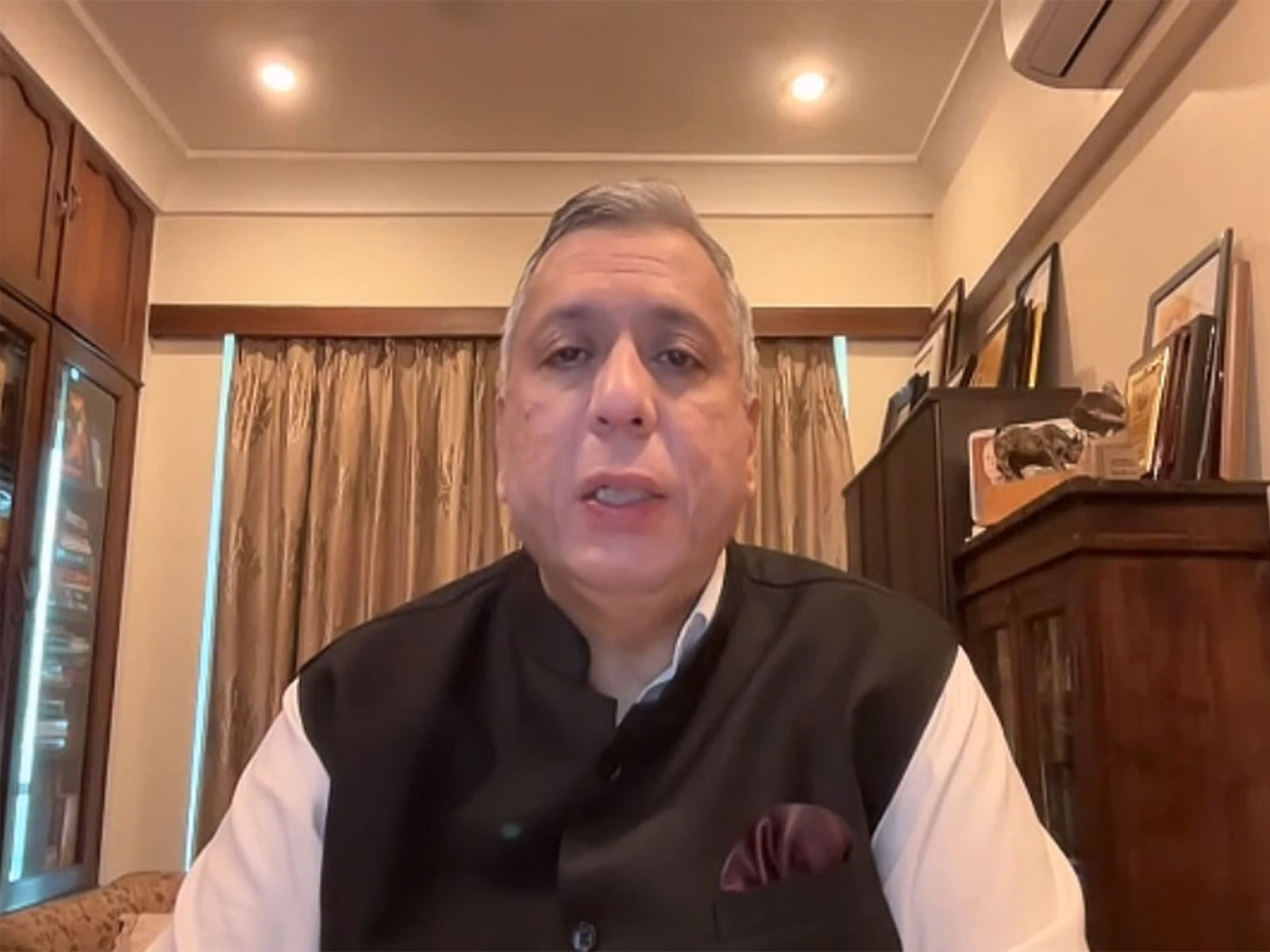
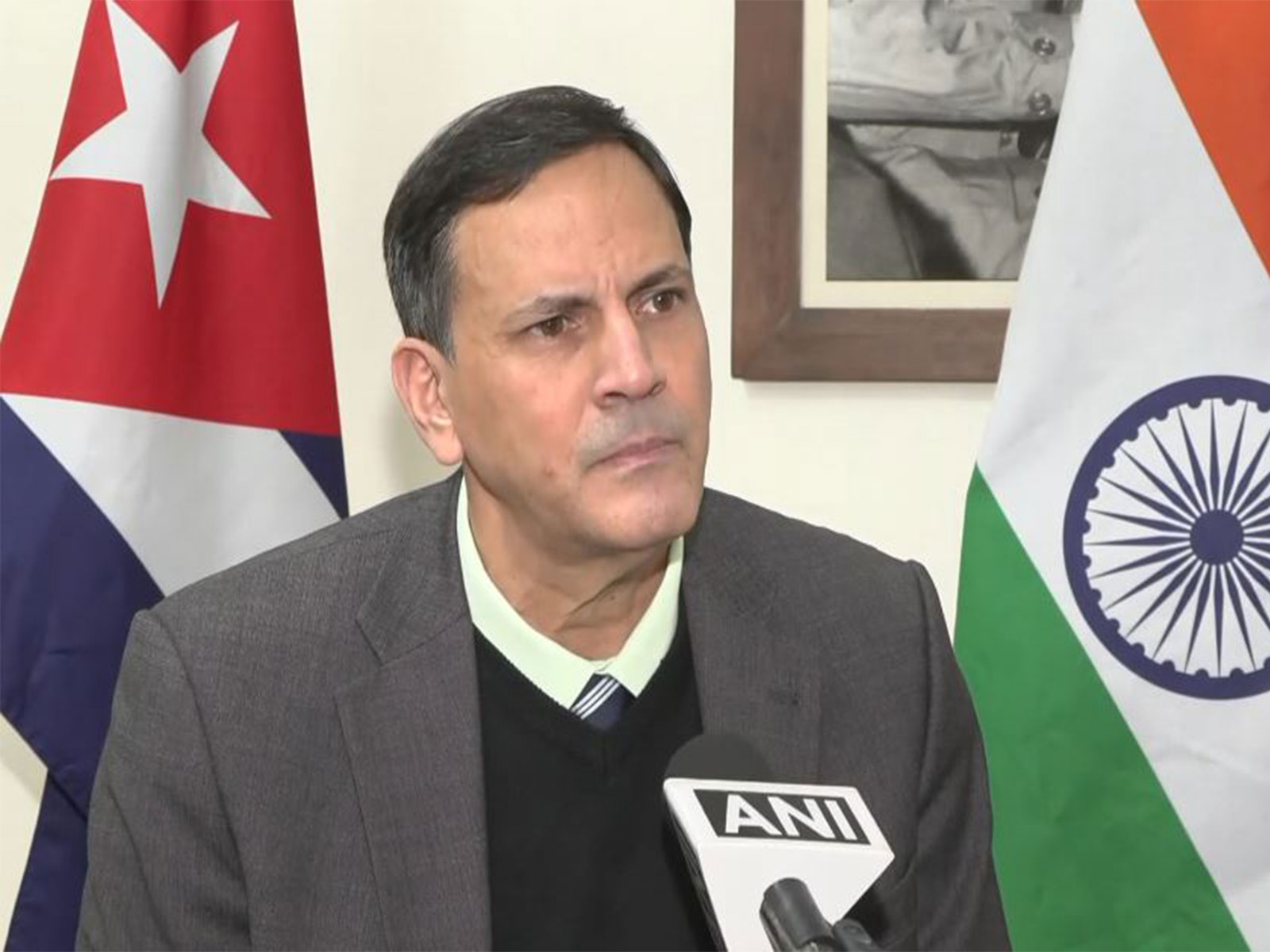
New Delhi [India], February 2 : Terming the United States' latest escalation of sanctions as "criminal," the Cuban Ambassador to India, Juan Carlos Marsan Aguilera, has asserted that Havana remains committed to cooperation rather than confrontation, despite what he described as Washington's attempts to "suffocate" the island nation.
The Ambassador's remarks follow a sharp spike in bilateral tensions after a US executive order was issued on January 29, 2026. The order declares a "national emergency" and threatens trade tariffs on third-party countries that supply oil to Cuba--a move the envoy characterised as a "back plan" to deprive the nation of essential resources and destabilise its quality of life.
Addressing the impact of the intensified blockade, Ambassador Aguilera stated that the primary objective of the US policy is to create a crisis for the Cuban population.
"It is a criminal [act] to impose to any country this policy of aggression and hostility to create many difficulties to our population. The idea is to suffocate the Cuban economy to create all these problems," the Ambassador told ANI.
He further emphasised that the Cuban people would not yield to external force. "If they think that through the imposition and through the force, they are going to surrender the Cuban population... they are mistaken. The Cuban population will continue supporting their right for self-determination, for independence and for sovereignty," he added.
Despite the escalating rhetoric from Washington, the Ambassador maintained that Cuba is prepared to engage in a "respectful and reciprocal dialogue." He rejected the doctrine of "peace through force," advocating instead for a diplomatic path.
"We would like not to go for confrontation. We would like to go for cooperation, trying to find solutions in benefits of both sides," Aguilera noted.
"We do believe that any international problems between states... should be solved through negotiation, through diplomacy, and not using force. It has been demonstrated that when we are able to cooperate, it goes in benefits of both people--the US and the Cubans."
In a concurrent statement, the Cuban Ministry of Foreign Affairs (MINREX) categorically rejected US claims that the island constitutes a security threat. The Ministry reaffirmed Cuba's "zero-tolerance" policy regarding the financing of terrorism and money laundering.
"Cuba unequivocally condemns terrorism in all its forms and manifestations... Our country does not harbour, support, finance, or tolerate terrorist or extremist organisations," the statement read.
The Ministry further proposed a renewal of technical cooperation with the US in critical fields such as counter-terrorism, anti-money laundering, drug trafficking prevention, cybersecurity, human trafficking, and financial crimes. The statement emphasised that any prior contacts with individuals later designated as terrorists occurred exclusively within narrowly defined humanitarian contexts associated with internationally recognised peace processes and were carried out with complete transparency.
With the US now targeting international oil supply chains through "blackmail and coercion," Ambassador Aguilera confirmed that Cuba will mobilise support via global forums.
"Cuba is going to appeal to all the international organisations--the G77, the Non-Aligned Movement, the Security Council--in order to express our opinion against these new sanctions and these attempts to declare a back plan of oil supply to our country," the envoy said.
The Revolutionary Government concluded its statement by calling the US order a "flagrant violation of international law," asserting that Havana will face the attack with "firmness and equanimity," maintaining the slogan: "Homeland or Death, We Shall Overcome!"