US State Secy Rubio says Iran's Supreme Leader Mojtaba Khamenei alive, 'increasingly engaging' in peace talks
Jun 02, 2026
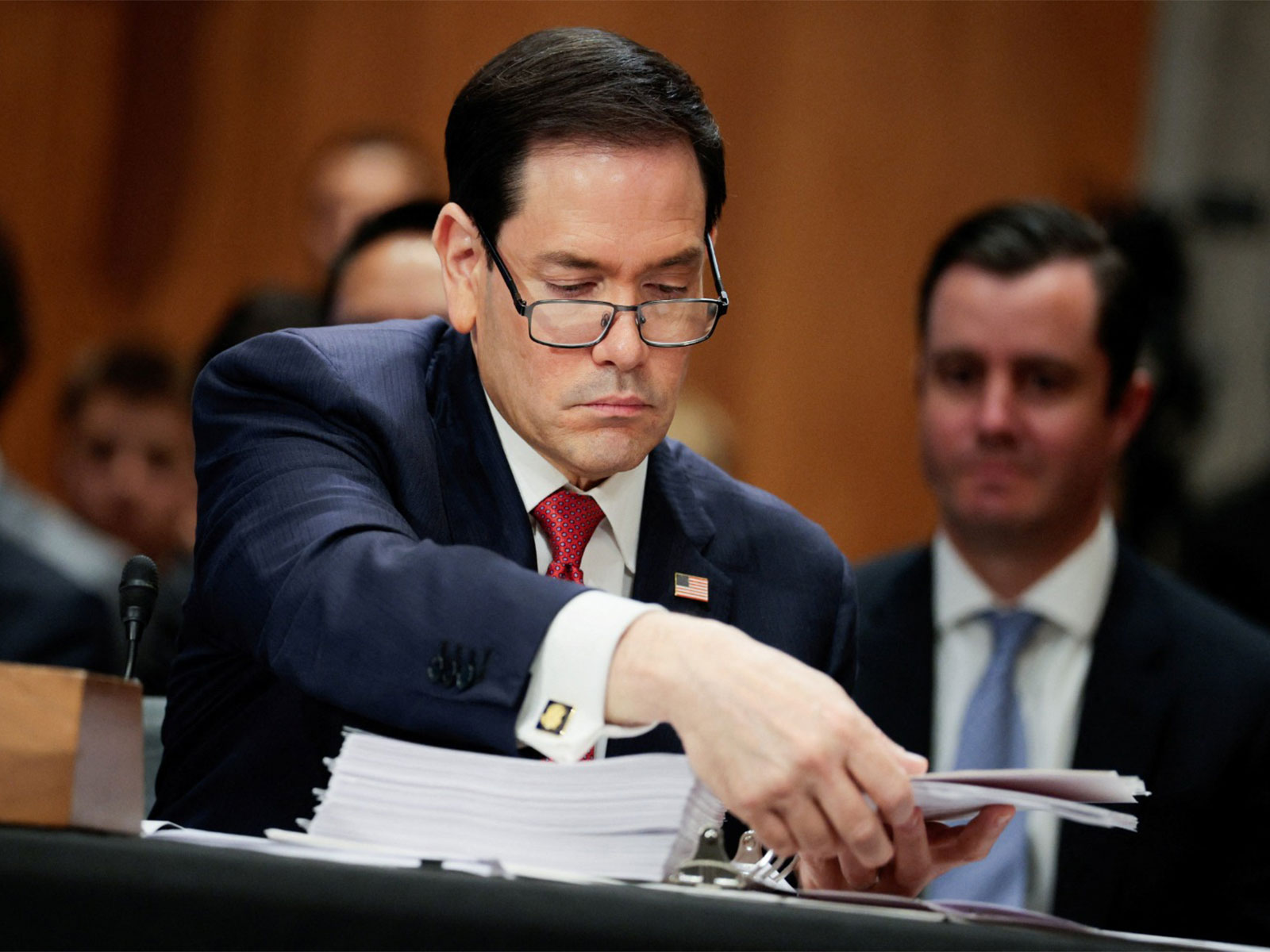
Washington DC [US], June 2 : US Secretary of State Marco Rubio on Tuesday said he believes Iran's Supreme Leader Ayatollah Mojtaba Khamenei is alive and is becoming "increasingly engaging" in leadership matters amid negotiations between both sides to achieve a complete settlement to the overall conflict in West Asia.
Marco Rubio made the remarks while addressing the US Senate Foreign Relations Committee, noting indications of continued involvement from the Iranian leadership amid ongoing regional tensions.
"I think there are indications out there that he (Mojtaba Khamenei) is increasingly engaging at some level," Rubio told lawmakers.
The comments come amid speculation over the status of Khamenei, who has not been seen in public since sustaining serious injuries on February 28 during an attack at the beginning of the war that killed his father, the former Supreme Leader Ali Khamenei and several senior military leaders, raising questions about his health and role within Iran's leadership structure.
According to CNN, citing US intelligence, Khamenei continues to play a key role in shaping war strategy alongside senior officials.
Last month, Iranian President Masoud Pezeshkian said that no decision in the Islamic Republic of Iran is taken without the permission of the Supreme Leader, Mojtaba Khamenei, stressing that all key positions must remain aligned with the country's highest authority and coordinated institutions amid diplomatic engagements with Washington.
Speaking during his visit to the Iranian Broadcasting Corporation, Pezeshkian underlined that he has consistently ensured that no statement or policy contradicts the views of the Supreme Leader or creates internal discord that could be exploited by adversaries.
"I have always tried to ensure that no statement is made that contradicts the opinion of the Supreme Leader or that no position is taken that would fuel disagreements between the pillars of governance and allow the enemy to exploit it," he said, as quoted in a statement issued by his office.
Meanwhile, Rubio also stated that negotiations on Iran's nuclear programme, as part of the overall peace talks between the two sides, would be "highly technical" in nature and could take several months to conclude.
He indicated that the next phase of discussions would depend on Iran taking specific steps, including reopening the strategic Strait of Hormuz under agreed conditions, and the disposition of the highly enriched uranium.
"Phase 2 is they have to commit to very specific negotiations. On the disposition of the highly enriched uranium that still is buried deep in a mountain somewhere...They have to agree on negotiating severe and long-term limitations and/or cancellation of enrichment activity in their country," Rubio told lawmakers.
Rubio stressed that the complexity of the issues involved would require sustained technical engagement over an extended period.
"Obviously, these are highly technical matters, so I don't think you could work those out in five days. That would require a team of experts to meet over a 30-, 60-, 90-day period and work out the details, but they have to commit to their willingness to do that," Rubio said.