Vessel struck by projectile while transiting Strait of Hormuz: Report
Aug 18, 2026
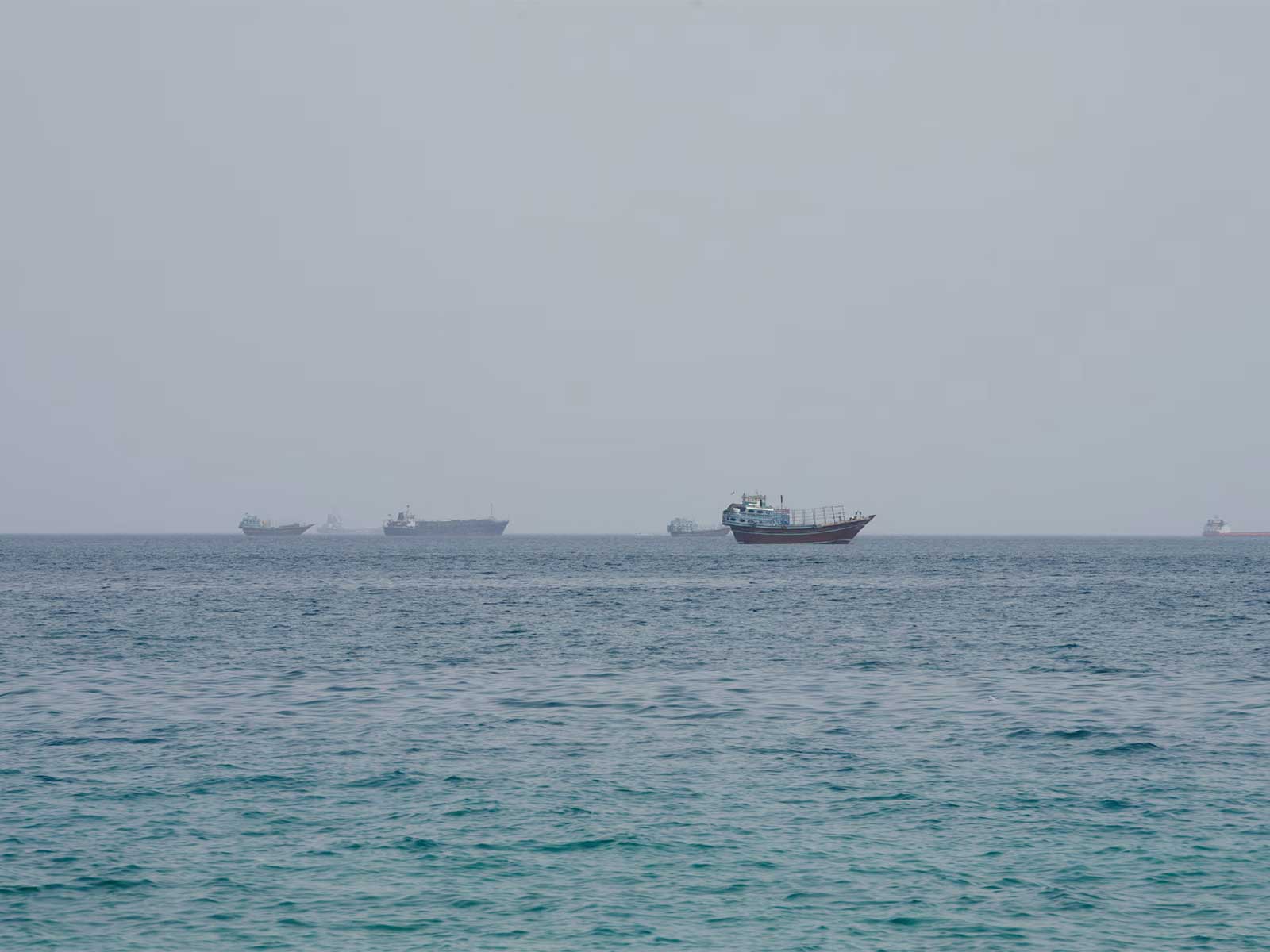
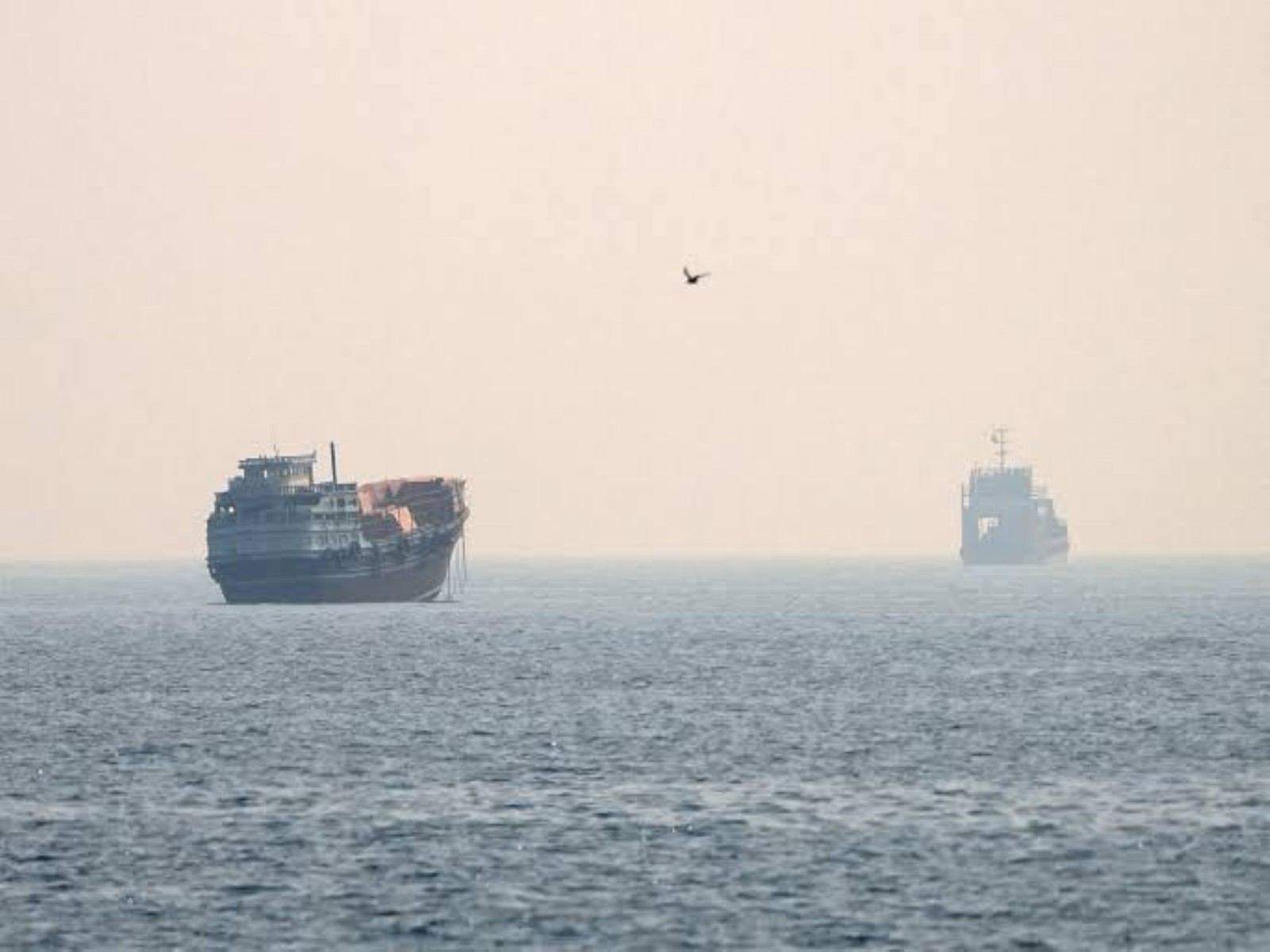
Portsmouth [UK], August 18 : A vessel transiting the Strait of Hormuz was struck by an unknown projectile, resulting in damage to its engine room and a crew casualty, the UK's Maritime Trade Operations (UKMTO) said on Tuesday.
"The Company Security Officer has reported that the vessel was struck by an unknown projectile while conducting an outbound transit of the Strait of Hormuz," UKMTO said in its incident report.
"The impact caused damage to the engine room and resulted in a crew casualty," it added.
According to UKMTO, the remaining crew members are currently being assisted by the Omani Coast Guard. No environmental impact has been reported following the incident.
"Authorities are investigating," UKMTO said, adding that vessels operating in the area have been advised to transit with caution.
The agency also urged vessels to report any suspicious activity to UKMTO.
The incident was reported by the vessel's Company Security Officer at 01:35 UTC on Tuesday, according to the official report.
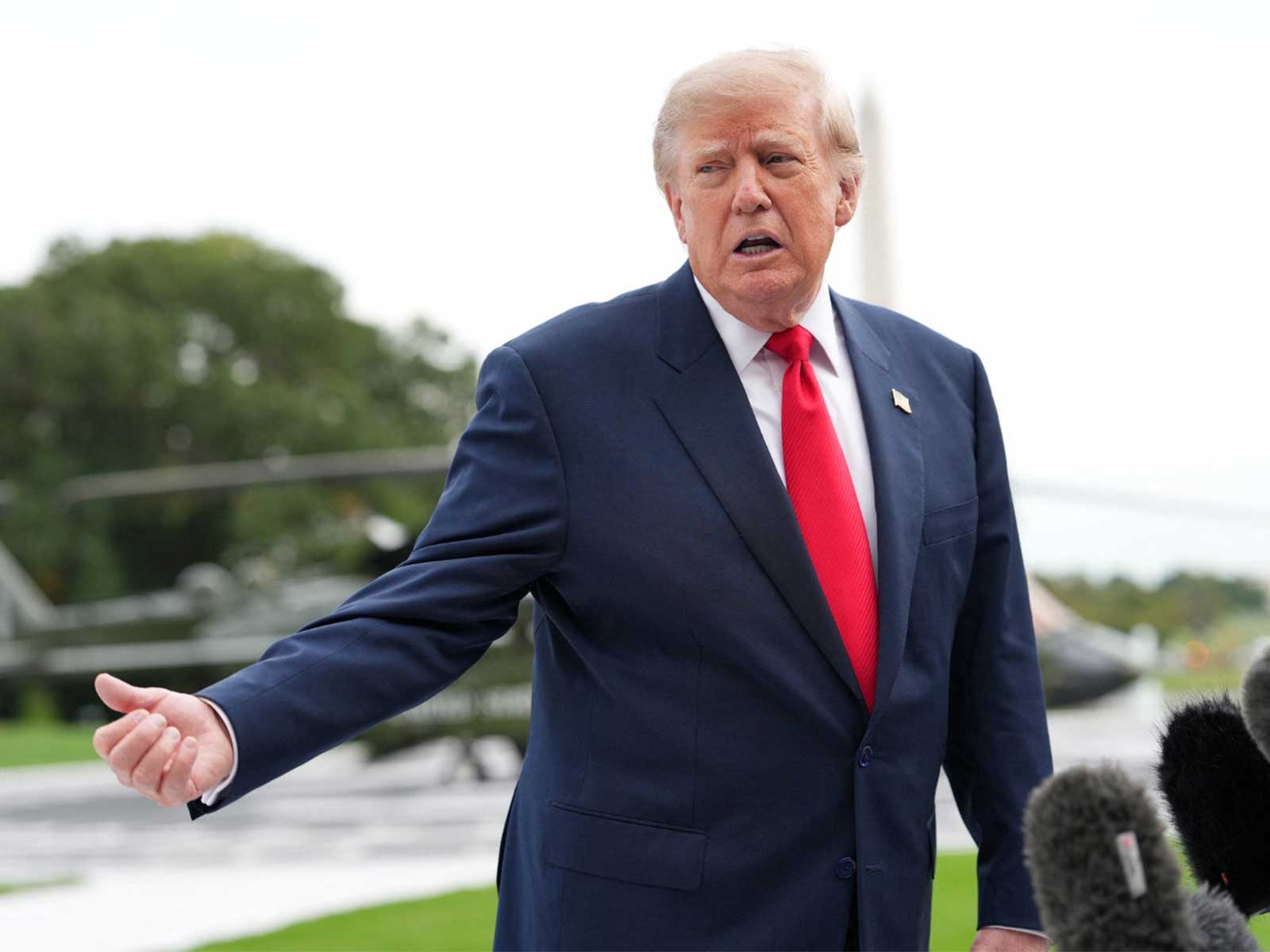
Earlier on Monday (local time), United States President Donald Trump reiterated his remarks about declaring the Strait of Hormuz as a "US territory," asserting Washington DC has "total control" in the region.
The report of the strike comes amid ongoing conflict between Iran and the US, as the stipulated timeframe under the June framework lapsed, with maritime movement through the Strait of Hormuz remaining curtailed and substantive discussions regarding Tehran's nuclear activities yet to restart.
The provisional arrangement was originally designed to cease hostilities and establish a structured pathway towards a long-term agreement addressing both the conflict and Iran's nuclear operations, while also aiming to re-establish commercial transit through the strategic waterway.
However, the understanding dissolved following mutual allegations between Washington and Tehran regarding non-compliance with the agreed terms. Under the provisions of the June memorandum, the US was expected to terminate its maritime blockade within 30 days, while Tehran agreed to exert its "best efforts" to ensure secure, toll-free commercial transit through the Strait of Hormuz for 60 days.
Those commitments collapsed within weeks when Iranian forces targeted vessels navigating a designated maritime corridor near Oman monitored by the US military. Washington retaliated by executing military strikes against Iranian positions, prompting Tehran to launch strikes against nations hosting American forces, including Jordan, Kuwait, and Bahrain.
Consequently, the US reinstated its maritime blockade targeting Iranian ports and revoked exemptions that had permitted Iranian oil shipments under the temporary framework.
Tehran has since linked the full restoration of transit through Hormuz to the complete lifting of the American blockade, the removal of US military assets from the region, and financial restitution for damages incurred during the hostilities, demands that Washington has dismissed while continuing to rely on economic sanctions and naval enforcement.
A significant divide also persists over the administration and security of the passage. While Trump asserted that the US exercises "total control" of Hormuz, Iranian military commanders maintained that no vessel can traverse the area without explicit authorisation from Tehran.
This ongoing friction has severely curtailed maritime traffic through one of the planet's most critical energy transit routes, impacting global energy markets. Brent crude advanced to a session peak of 89.40 USD per barrel on Monday as market participants evaluated the diplomatic stalemate and potential threats to commercial shipping, while Tehran has been engaging in discussions with Oman regarding maritime management protocols for the waterway.
The conclusion of the 60 days leaves these core disagreements unresolved. For Tehran, normalising traffic through Hormuz remains contingent on the cessation of the blockade, troop withdrawals, and reparations.