"Victim of US and Israel's terrorism": Shia cleric on Ayatollah Khamenei's killing
Mar 01, 2026
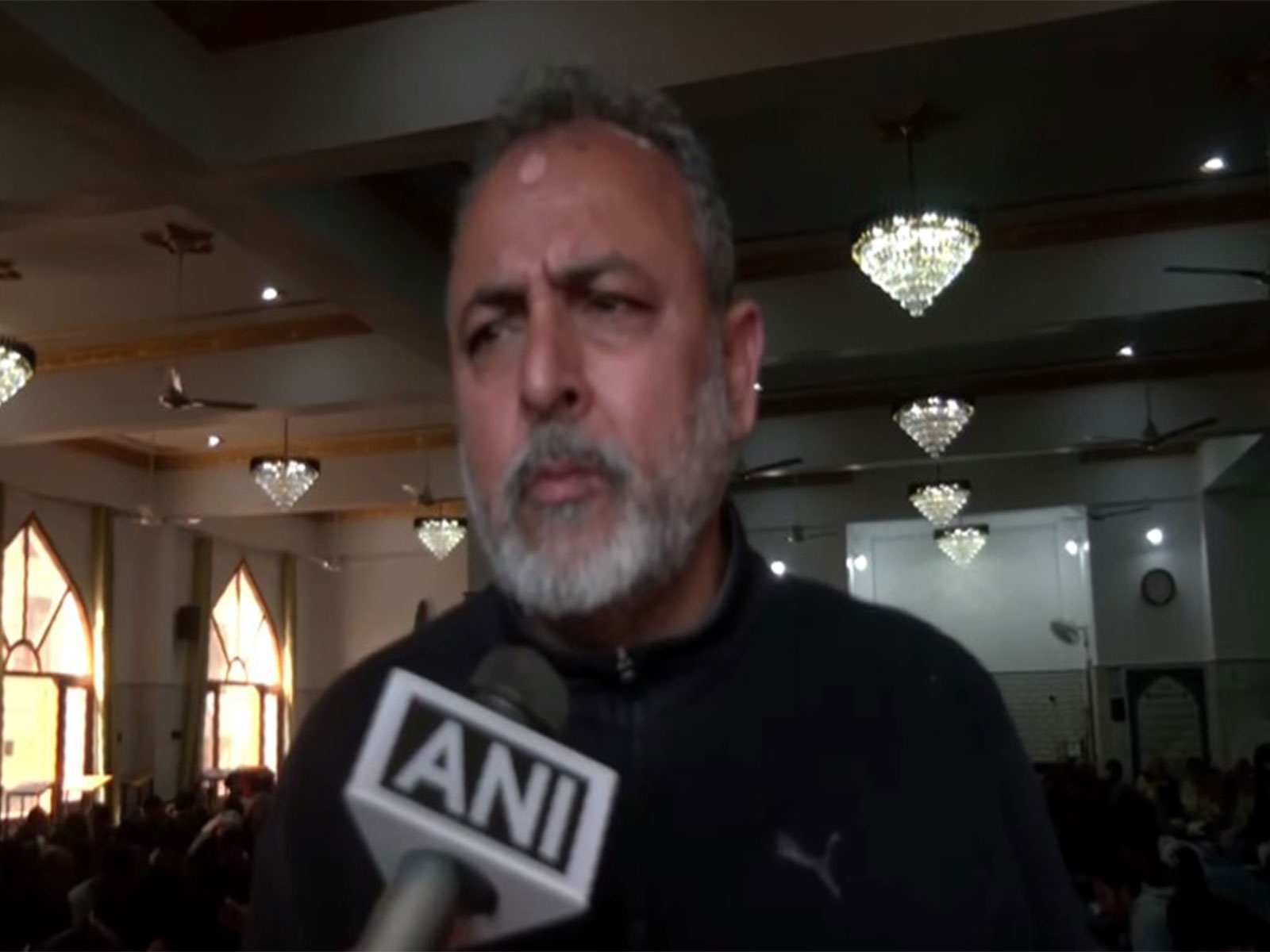
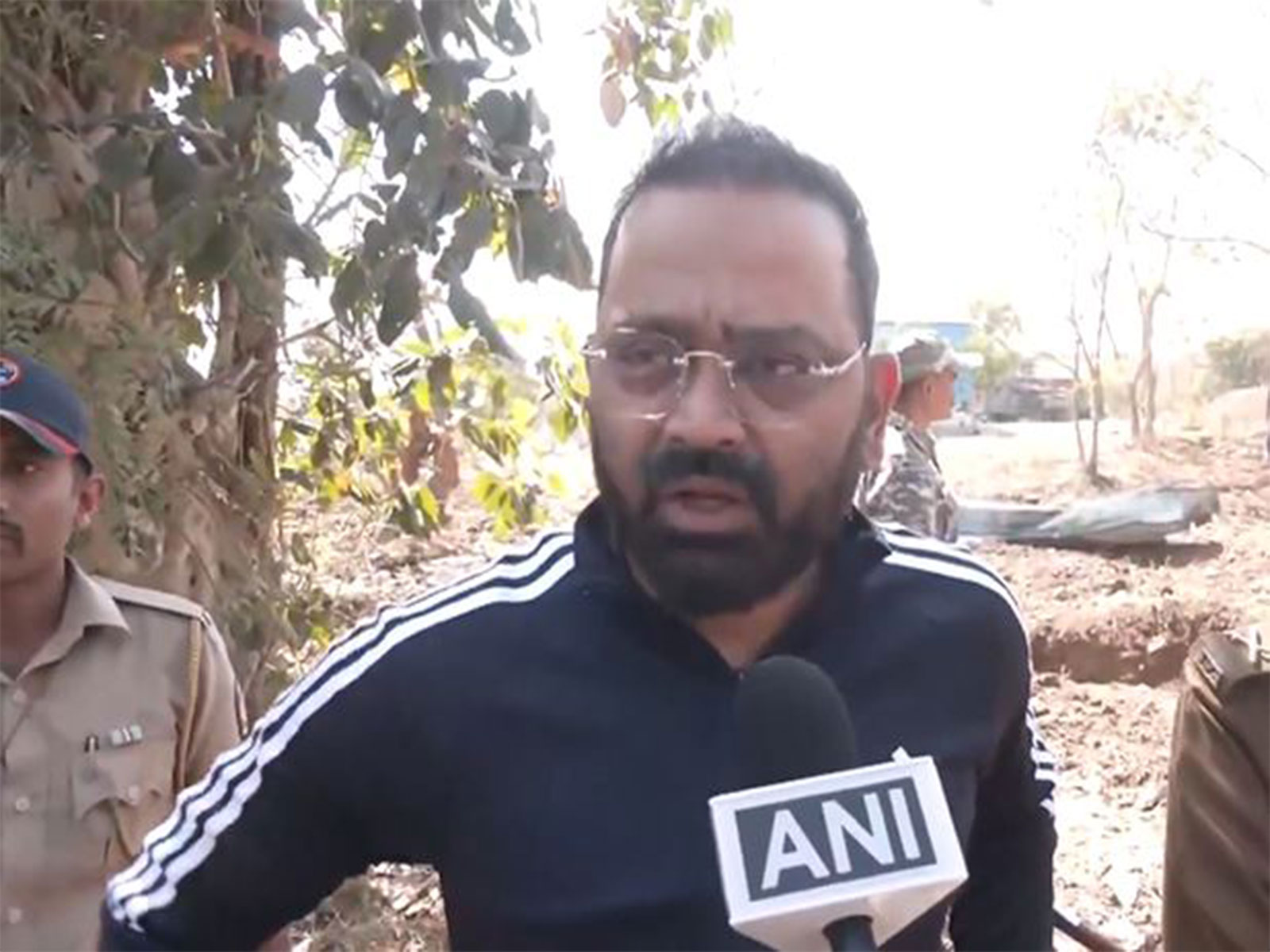
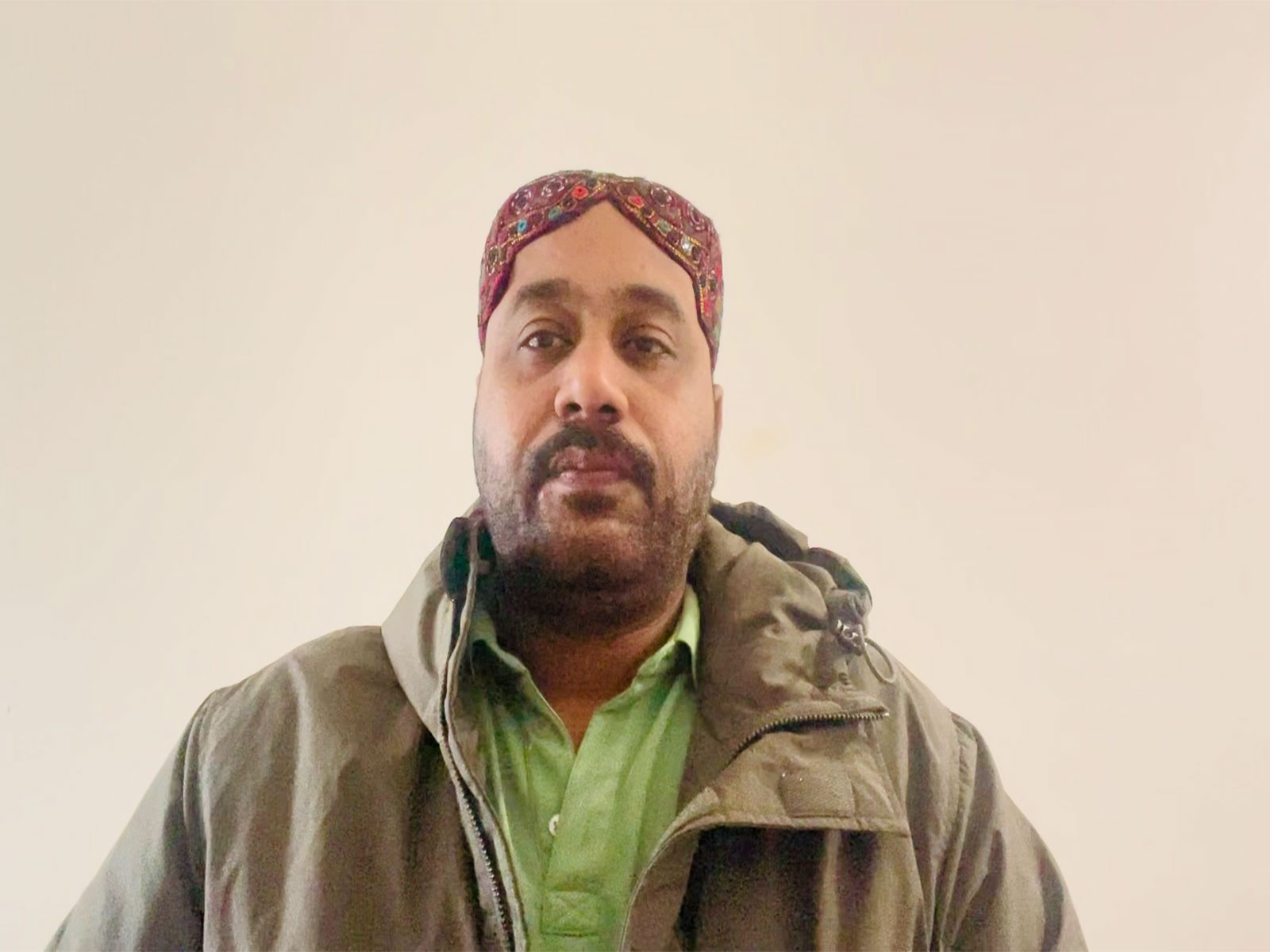
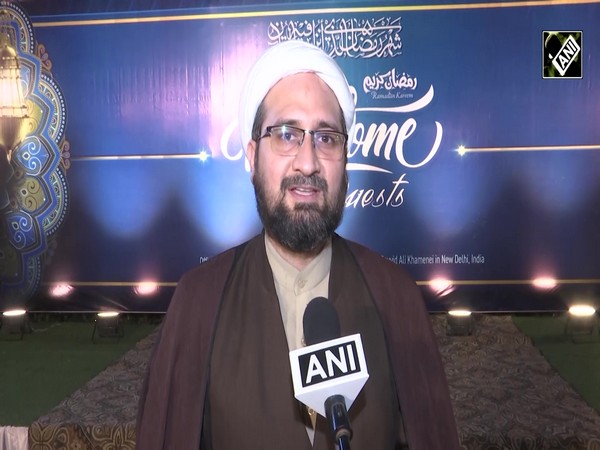
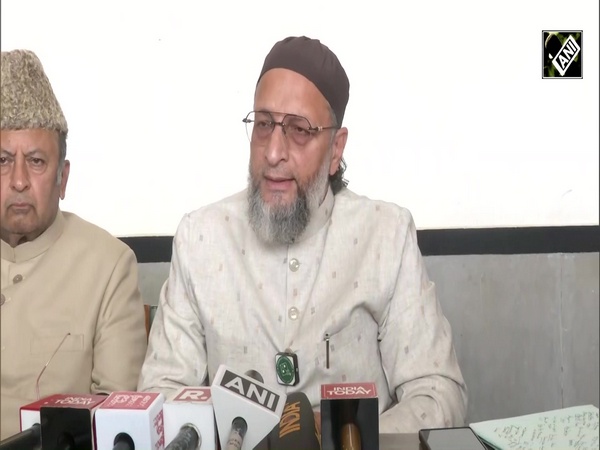
Jammu (Jammu and Kashmir) [India], March 1 : The General Secretary of the Shia Federation in Jammu, Syed Fida Hussain Rizvi, on Sunday mourned the death of Iran's Supreme Leader, Ayatollah Khamenei, describing him as a "victim of America and Israel's terrorism."
Rizvi said that talks were ongoing when an attack took place, resulting in the "martyrdom" of their "Supreme Commander" Khamenei. He added that people from across Jammu have been gathering in Bathindi, Central Jammu, with around 2,000 people already present.
"Ayatollah Khamenei has fallen victim to the terrorism of America and Israel. Talks were ongoing, and during that, an attack occurred in which our great leader, the Supreme Commander, was martyred. At this moment, people from all over Jammu are reaching Bathindi, Central Jammu. Around 2,000 people have already arrived here," Rizvi told ANI.
Meanwhile, Shia Muslims in Ramban in Jammu and Kashmir and Lucknow held protests against the killing, expressing their anger over the strikes.
A protester in Lucknow said that Ayatollah Khamenei was killed with deception by those who have "treachery in their blood." She also called Israel and US "cheaters."
"Those who have treachery in their blood have killed Khamenei with deception... If one Khamenei is killed, a thousand Khameneis will rise... Israel and America are cheaters," the protestor said.
The US and Israel launched a massive aerial campaign targeting Iran's leadership and military, killing Supreme Leader Ali Khamenei and several senior officials. Iran retaliated with missile attacks on US bases, Israel, and other targets in the Middle East.
The situation remains fluid, with Trump's administration claiming the strike was necessary to prevent an "imminent threat" from Iran.
Iran is observing 40 days of national mourning after Ayatollah Ali Khamenei's death, with widespread grief and protests reported across the country.
The Supreme Leader's office has declared a period of national mourning, with flags flying at half-mast and public gatherings planned to pay respects.
Khamenei, who succeeded the Revolution's founder, Ruhollah Khomeini, led Iran with unwavering defiance against Western influence since 1989.
Authorities have heightened security across the country, particularly in major cities like Tehran, to prevent unrest and ensure public safety. The focus is now on selecting Khamenei's successor, with speculation about potential candidates and the impact on Iran's future leadership.