Vineet Kumar, founder, CyberPeace addresses global leaders at UN General Assembly WSIS+20 high-level plenary meeting
Dec 22, 2025
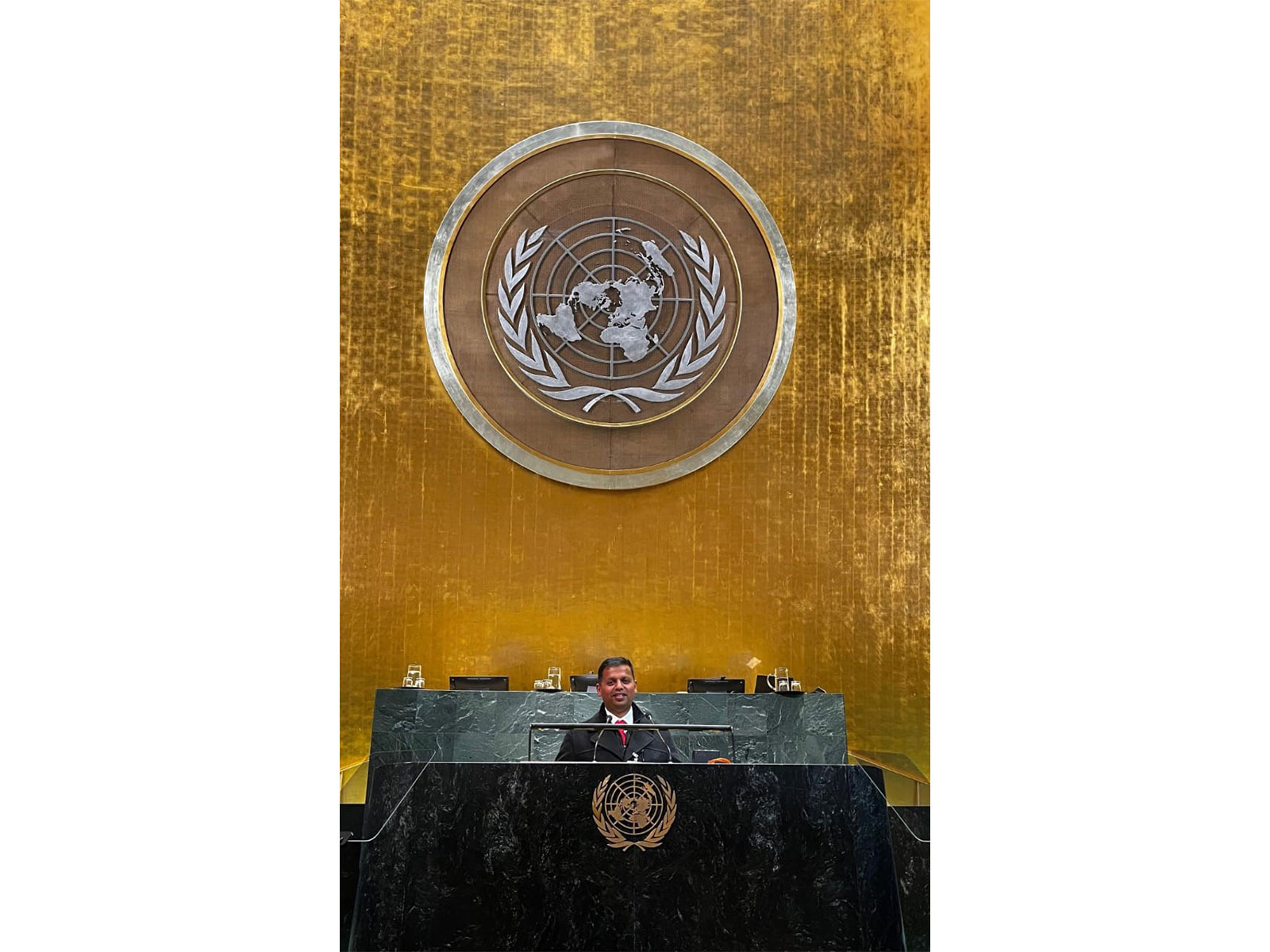
New York [US], December 22 : As cyber threats intensify globally, and nations navigate an evolving cyber threat landscape marked by rising digital vulnerabilities and an urgent need to safeguard the future of digital trust, CyberPeace, a Global non-profit headquartered in India delivered its stakeholder intervention during the United Nations General Assembly WSIS+20 High-Level Plenary, which featured statements from over 80 UN Member States, UN entities, and a broad range of global stakeholders. The United Nations General Assembly has adopted the WSIS+20 Outcome Document by consensus on 17th December, 2025.
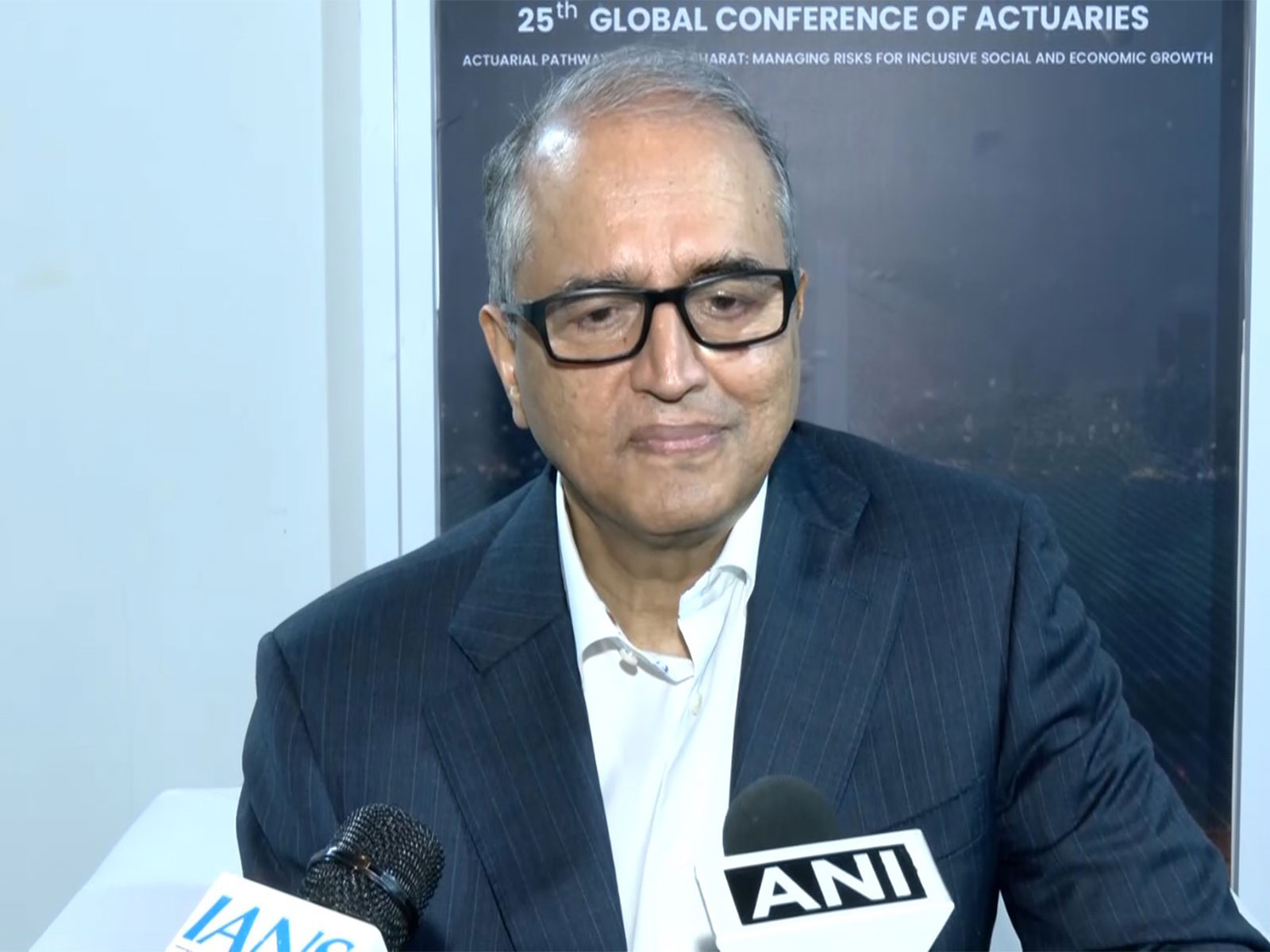
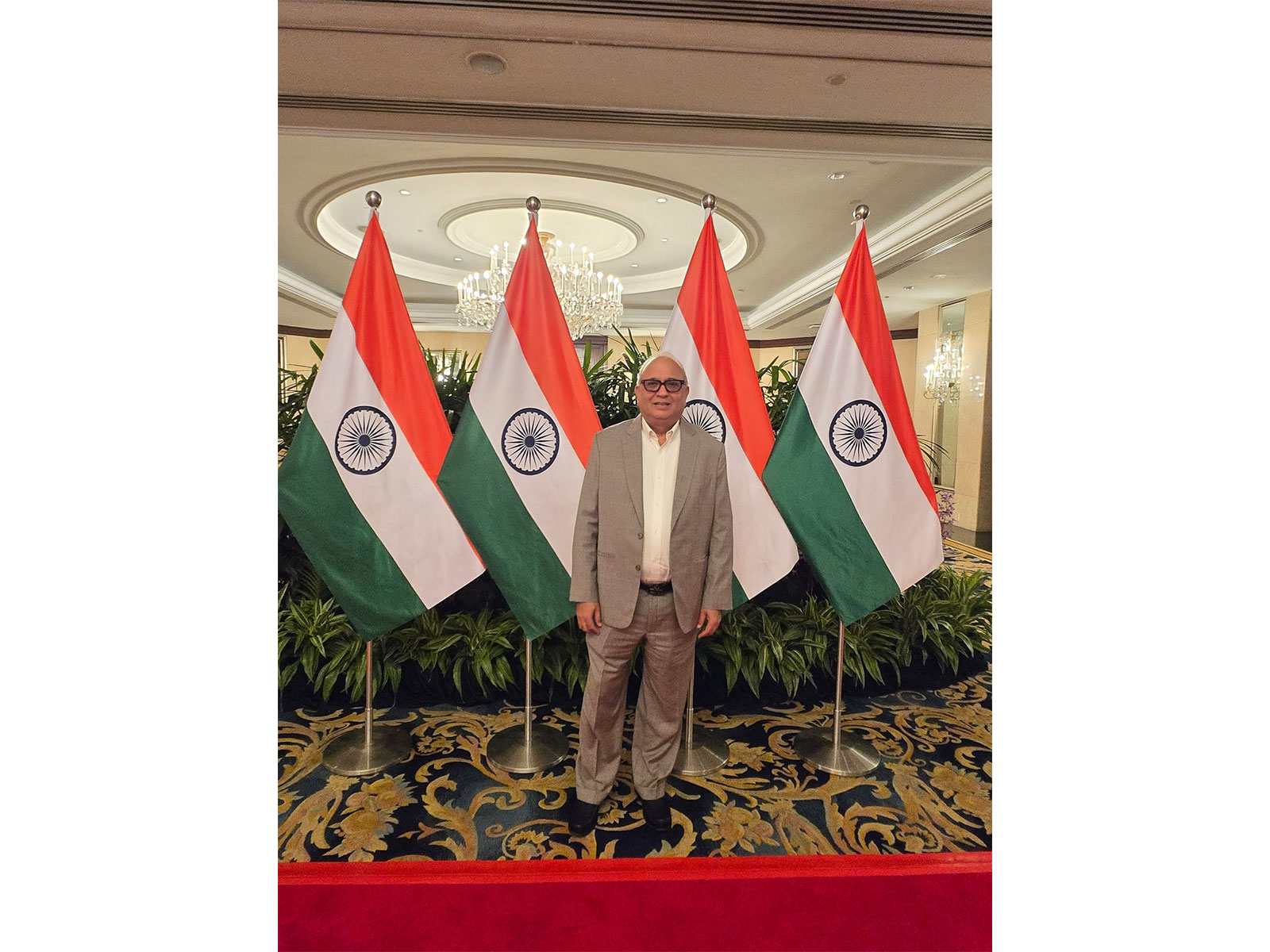
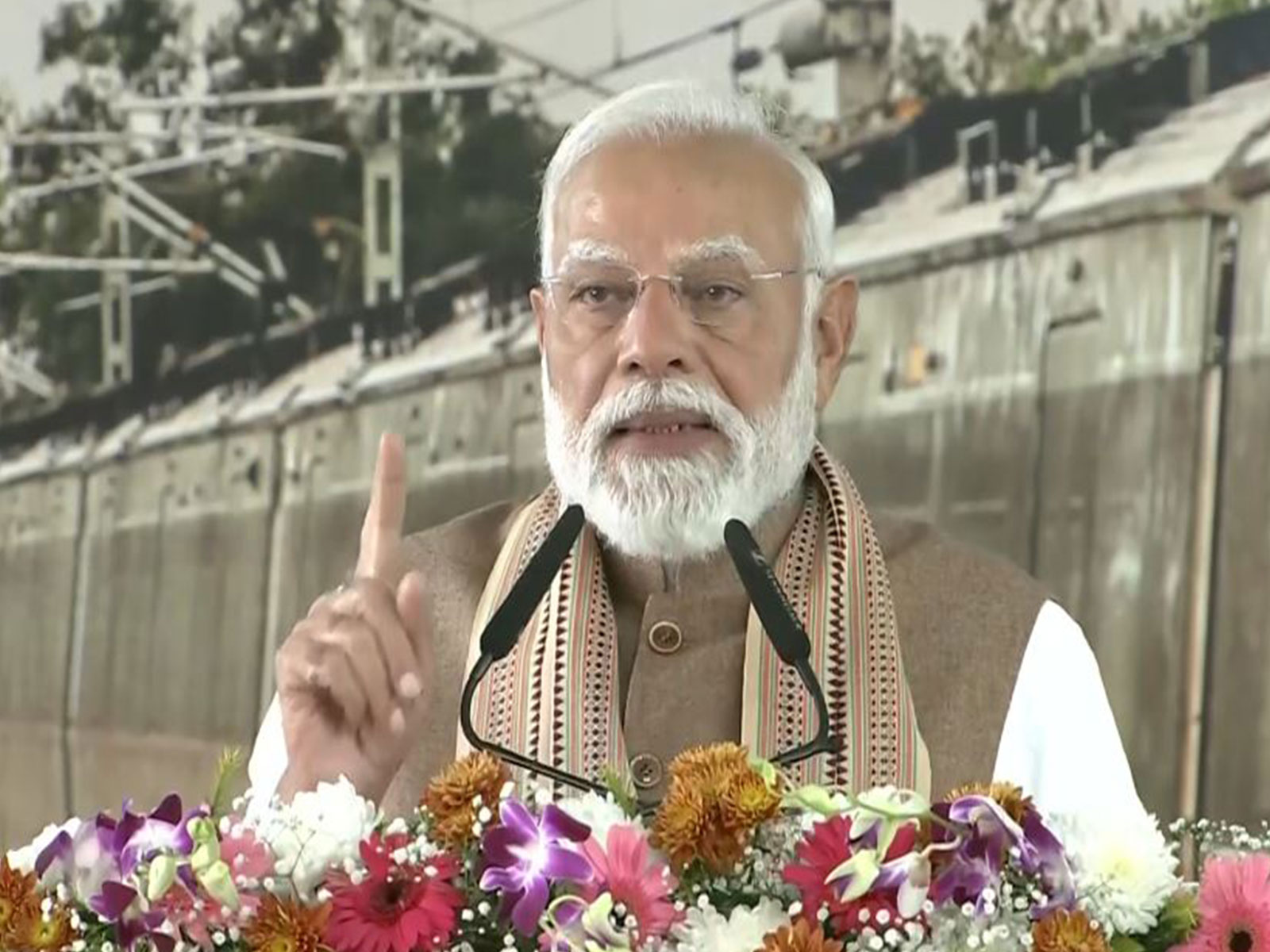
Speaking at the meeting, Vineet Kumar, Founder and Global President of CyberPeace, said, "CyberPeace is honored to participate in this high-level meeting and to contribute to the collective reflection on two decades of progress towards an inclusive, secure, and people-centered information society. The WSIS process and its implementation mechanisms, including the IGF, remain among the most important global platforms for multistakeholder dialogue and cooperation. They have demonstrated that effective digital governance requires the meaningful engagement of governments, civil society, private sector, the technical community, and academia. As we approach the WSIS+20 review, it is essential that this multistakeholder approach is not only preserved but further strengthened, particularly in responding to emerging and increasingly complex cyber-related challenges."
As WSIS+20 marks 20 years of the WSIS process, the High-level Meeting on the overall review of the implementation of the outcomes of the World Summit on the Information Society (WSIS+20) took place at UN Headquarters in New York on 16-17 December, 2025.
It consisted of plenary meetings which included statements in accordance with General Assembly resolution 79/277 and the adoption of the outcome document of the High-level Meeting of the General Assembly on the overall review of the implementation of the outcomes of the WSIS. Over twenty years since WSIS, digital technologies have become integral to sustainable development, international cooperation, and social well-being. At the same time, this transformation has been accompanied by a significant expansion of cyber threats, now further intensified by AI and other emerging technologies.
Addressing the gathering, Vineet highlighted that while digital technologies now underpin sustainable development, governance, and social well-being, rapid digitalisation has also driven a sharp rise in cyber threats, further intensified by AI.
Over the past decades, the cyber threat has evolved. It has been observed targeted attacks against hospitals and critical infrastructures, online exploitation of children, CSAM, ransomware, attacks affecting schools and small businesses, DNS abuse, misuse of deepfakes and AI-generated misinformation, cyber-enabled human trafficking, and the proliferation of organized scam operations in several regions. He also draws attention towards the growth of organized crime centres and cyber-human trafficking-related issues. These developments represent not only security concerns but also broader human social development challenges as they disrupt essential services, undermine education, and weaken social cohesion.
This recognition celebrates CyberPeace's pioneering leadership in driving cyber awareness, online safety, and digital trust, placing these issues firmly at the forefront of global dialogue. CyberPeace, an internationally recognized organization working with governments, corporates, and educational institutions to promote cyber literacy and resilience. CyberPeace has empowered millions of citizens to navigate the digital world safely and responsibly.
These challenges undermine trust in digital systems, constrain digital inclusion, and disproportionately affect communities with limited capacity to prevent or respond to cyber harm. CyberPeace was established based on the conviction that peace and stability in cyberspace are essential preconditions for the achievement of sustainable development goals and for ensuring that the benefits of digital transformations are shared equitably.
Looking ahead to the WSIS+20 and beyond, recognising that peace and stability in cyberspace are essential preconditions for inclusive and equitable digital development, Vineet urged the plenary to focus on four priority areas:
1. Strengthening global cyber resilience through sustained capacity building and cyber exercises;
2. Enhancing protection for the most vulnerable online, including children, senior citizens, humanitarian actors, and frontline public services;
3. Embedding trust and respect for human rights at the core of internet governance; and
4. Advancing inclusive, participatory approaches to cybersecurity that empower individuals and communities alongside governments and institutions.
According to a statement, CyberPeace encourages the development and strengthening of global network of cyber ambassadors and cyber first responders, trained individuals embedded within communities, schools, civil society, and local institutions. Government and institutions alone cannot fully address the scale and the pace of evolving cyber threats. Empowering individuals and communities is therefore essential.
These factors can contribute to early warning, promote digital literacy, online safety, support survivors, and help connect communities with national and international response mechanisms. Such an approach strengthens resilience at the community level, builds trust from the ground up, and reflects the people-centered vision of the WSIS process. It also complements the role of IGF as a platform of dialogue, cooperation, and shared learning.
As we look towards the review of the 2030 Agenda, CyberPeace affirms its commitment to work constructively with all stakeholders to advance a cyberspace that is peaceful, resilient, inclusive, and humane, where digital technologies serve human development and dignity, and where no one is left behind.
WSIS+20, a United Nations-led global process, high-level meeting brings together heads of UN agencies, governments, civil society, the private sector, and technical communities to review progress and chart the next phase of the World Summit on the Information Society process, shape how the world uses, governs, and benefits from information and communication technologies (ICTs), with a strong focus on inclusion, trust, and human-centric digital development.