"We wanted the bill to be sent to standing or parliamentary committee": Congress MP Mallu Ravi on Viksit Bharat- G RAM G Bill
Dec 18, 2025
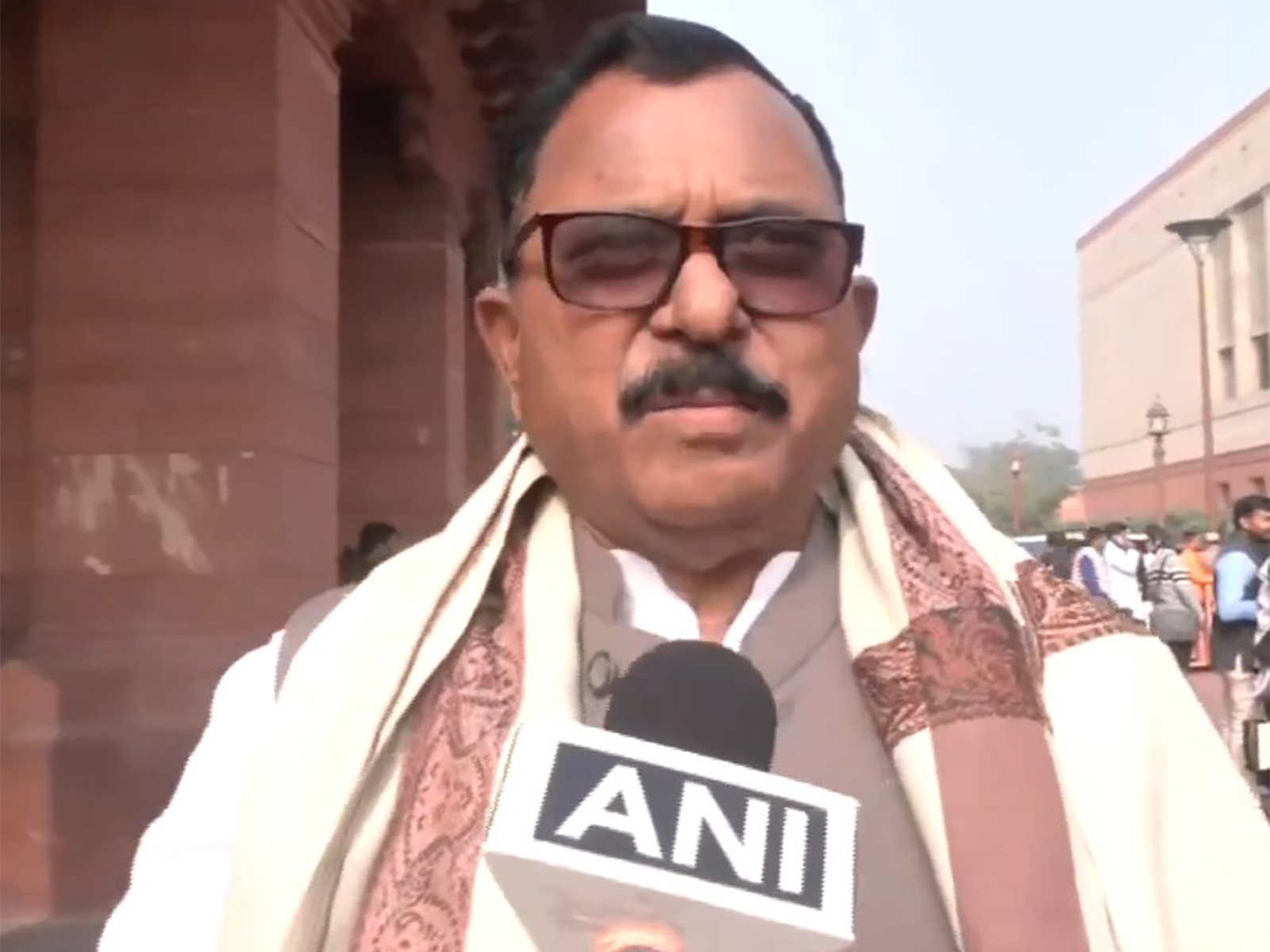
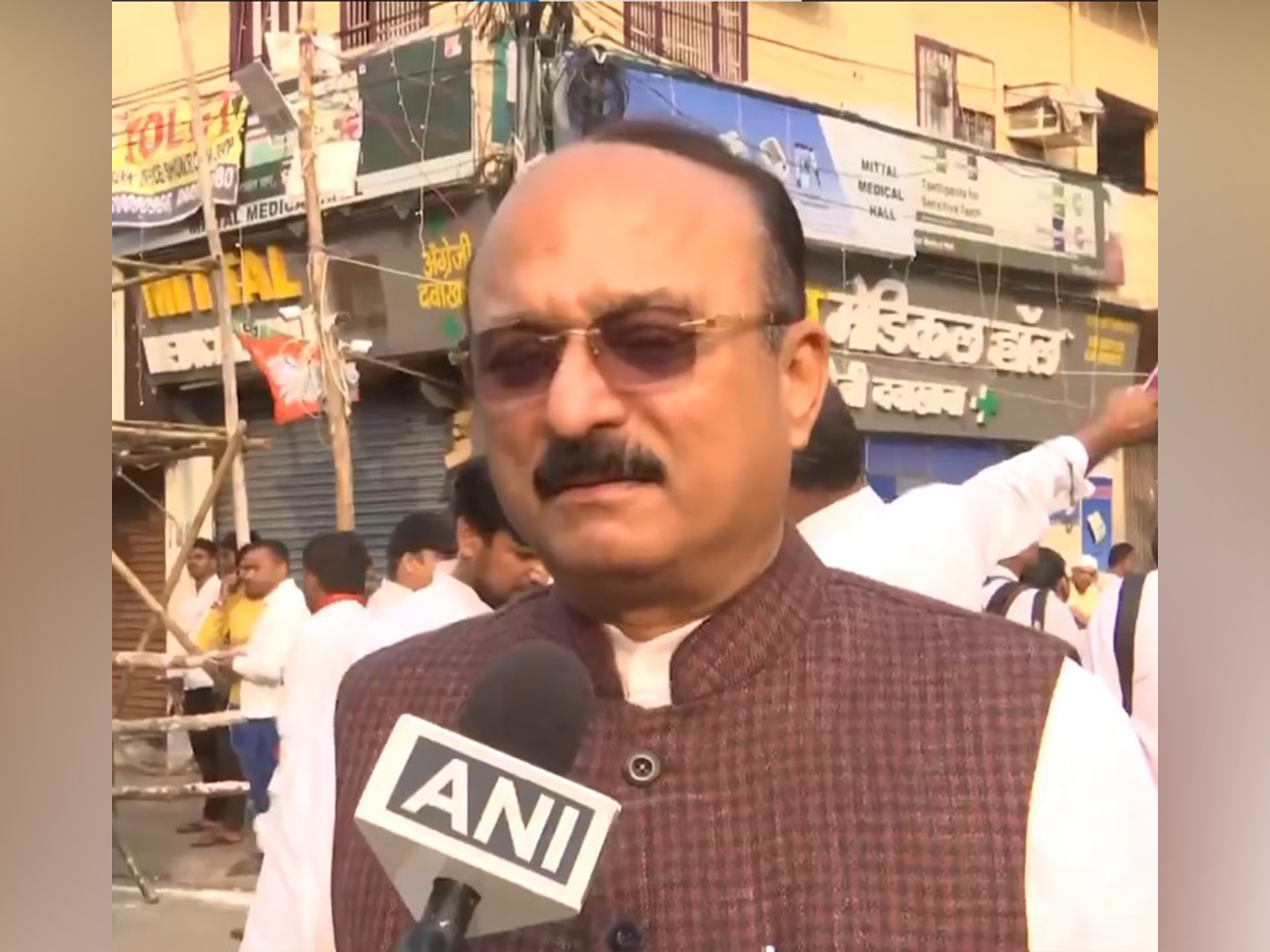
New Delhi [India], December 18 : Following Lok Sabha's approval of the Viksit Bharat - Guarantee for Rozgar and Ajeevika Mission (Gramin) Bill, 2025, Congress MP Mallu Ravi said that the opposition wanted the legislation to be sent to the standing or the joint parliamentary committee.
He alleged that Speaker Om Birla didn't listen to the opposition despite the members continuously raising their voice and considered the bill as against the feelings of Indian people to remove the name of Mahatma Gandhi.
"We wanted that bill to at least be sent to the standing committee or the joint parliamentary committee. The speaker and the government have not agreed...Almost all the members were raising their voices, but the speaker or the government did not bother. This is against the feelings of Indian people to remove the name of Mahatma Gandhi...We will take to the streets against this bill," he told ANI.
The Viksit Bharat- G RAM G Bill, 2025 on Thursday, replaced MGNREGA with a new statutory framework aligned with Viksit Bharat 2047. The employment guarantee is enhanced to 125 days per rural household, strengthening income security and linking wage employment with durable rural infrastructure across 4 priority areas.
Union Agriculture Minister Shivraj Singh Chouhan, who had earlier introduced the bill, moved it for consideration and passing.
Lok Sabha today passed the Bill after heated discussion with the opposition demanding that the proposed legislation be referred to the Standing Committee, even as the ruling Bharatiya Janata Party (BJP) strongly defended the Bill, calling it a decisive step towards achieving a Viksit Bharat by 2047.
According to the Ministry of Rural Development, it will strengthen decentralised planning through Viksit Gram Panchayat Plans and integrate it nationally through the Viksit Bharat National Rural Infrastructure Stack. The shift to normative funding and a centrally sponsored structure improves predictability, accountability, and Centre-State partnership.