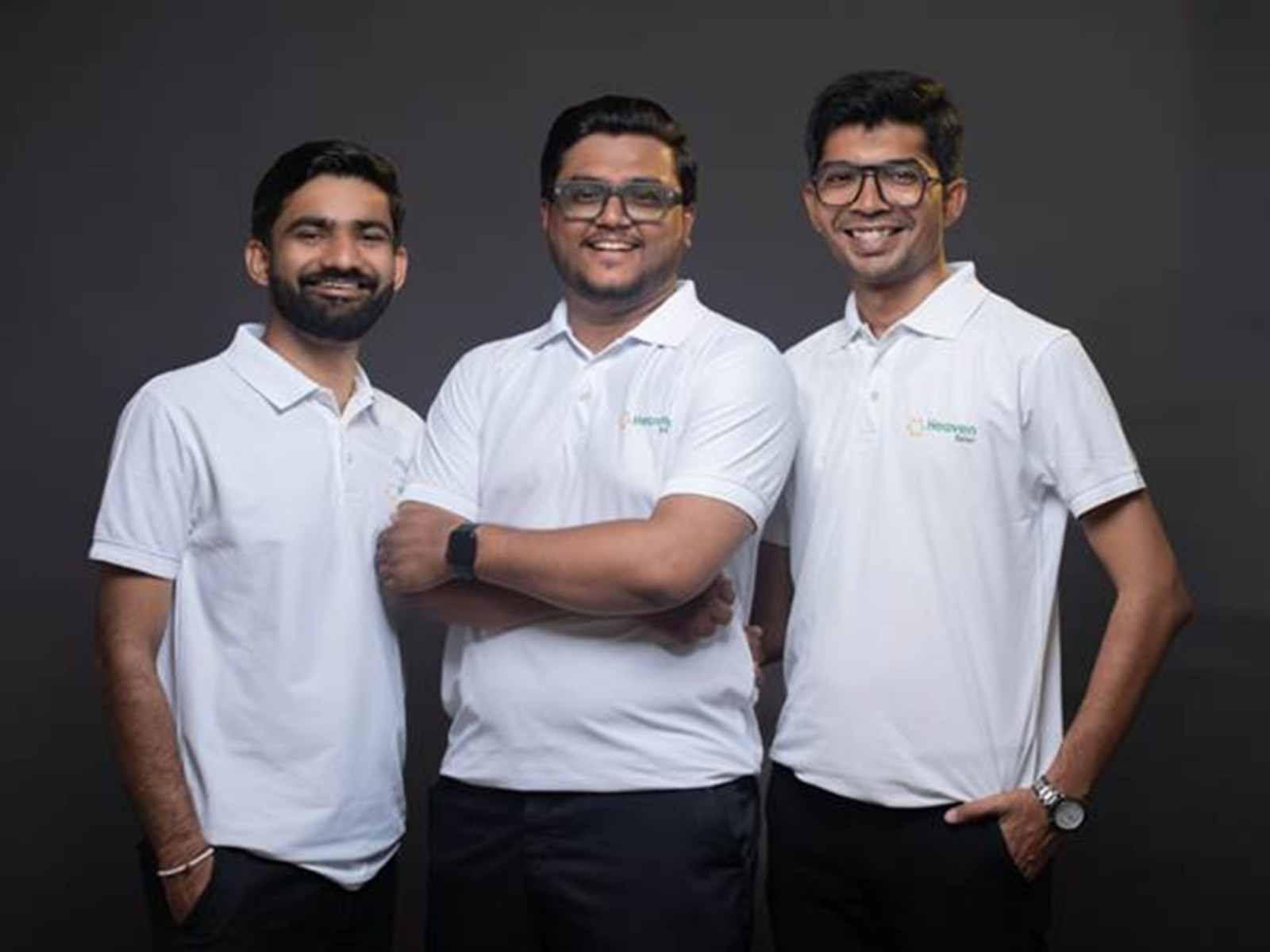
WeCP, built by Abhishek Kaushik, gets acquired by Invisible to train AI models
Mar 17, 2026

New Delhi [India], March 17 : When Invisible Technologies announced this week that it would acquire the technical assessment platform WeCP, the news highlighted a growing shift in the artificial intelligence industry.
The platform, founded by Indian entrepreneurs Abhishek Kaushik and Mohit Goyal, originally set out to solve a problem many companies face: accurately evaluating technical experts.
But the same infrastructure that helped companies hire engineers is now being used to help train and validate AI models and intelligent agents.
From hiring engineers to validating AI experts
WeCP was built with a simple premise: resumes and interviews are often poor indicators of technical ability.
Instead of relying on credentials or conversational interviews, the platform allowed candidates to demonstrate their capabilities through real-world technical challenges such as coding exercises, system design simulations, and structured problem-solving tasks.
Companies used the system to assess engineers, data scientists, and other technical professionals during hiring and workforce development.
Over time, WeCP built a large library of structured assessments across domains including software engineering, cloud infrastructure, cybersecurity, and data science.
But as AI development accelerated globally, Kaushik and his team began noticing an unexpected connection.
The same problem that existed in hiring -- verifying expertise -- was emerging in AI.
The hidden bottleneck in AI development
Modern AI systems rely heavily on human experts to train and evaluate models.
These experts help create training data, verify outputs, simulate complex tasks, and provide feedback that improves how models reason and behave.
However, identifying reliable experts at scale has proven to be a significant challenge.
Credentials alone rarely guarantee that someone can accurately evaluate AI outputs or guide model development.
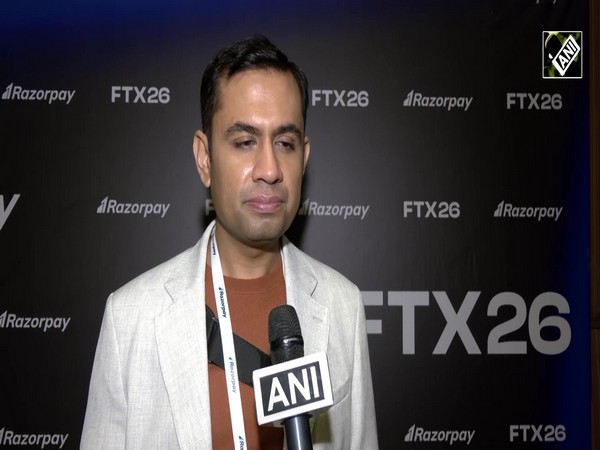
"In AI development today, the quality of the model increasingly depends on the quality of the human expertise behind it," said Abhishek Kaushik, founder of WeCP.
"WeCP was built to measure real expertise. That same capability becomes critical when identifying experts who help train AI systems."
Invisible's bet on expertise infrastructure
Invisible Technologies works with organizations developing advanced AI systems, combining automation with human expertise to build, test, and deploy AI solutions.
By acquiring WeCP, Invisible plans to integrate the platform's expertise validation engine into its AI training workflows.
The technology will help evaluate specialists participating in complex AI tasks such as model validation, domain reasoning evaluation, and reinforcement learning feedback loops.
As AI systems expand into complex industries such as finance, engineering, healthcare, and enterprise software, the need for reliable expert validation is becoming increasingly important.
A new layer in the AI ecosystem
The acquisition reflects a broader change in how AI systems are being built.
For years, advances in artificial intelligence were primarily driven by improvements in algorithms, computing power, and access to massive datasets.
Today, another factor is emerging as a critical constraint: human expertise.
Experts are needed not only to create datasets but also to validate outputs, simulate real-world decision-making, and guide models toward accurate reasoning.
Platforms capable of systematically measuring expertise may therefore become an important part of the evolving AI stack.
For Kaushik, the transition from hiring infrastructure to AI training infrastructure feels like a natural progression.
"What started as a platform to help companies hire better engineers is now becoming part of the infrastructure used to train the next generation of AI systems," he said.
In this case, a platform built by Indian founders to evaluate engineering talent has now become part of the machinery used to train and validate advanced AI models and agents around the world.