West Asia conflict may have deeper economic impact on India than expected: Finance Ministry Monthly review
Mar 06, 2026
New Delhi [India], March 6 : Global uncertainty is expected to remain elevated for some time amid escalating geopolitical tensions in West Asia, and the implications of the ongoing conflict could have deeper and longer-lasting effects on India than currently understood, according to the Finance Ministry's February 2026 Monthly Economic Review.
The report noted, "If the crisis persists, it could have material implications for the exchange rate and the current account deficit and could stoke inflationary pressures."
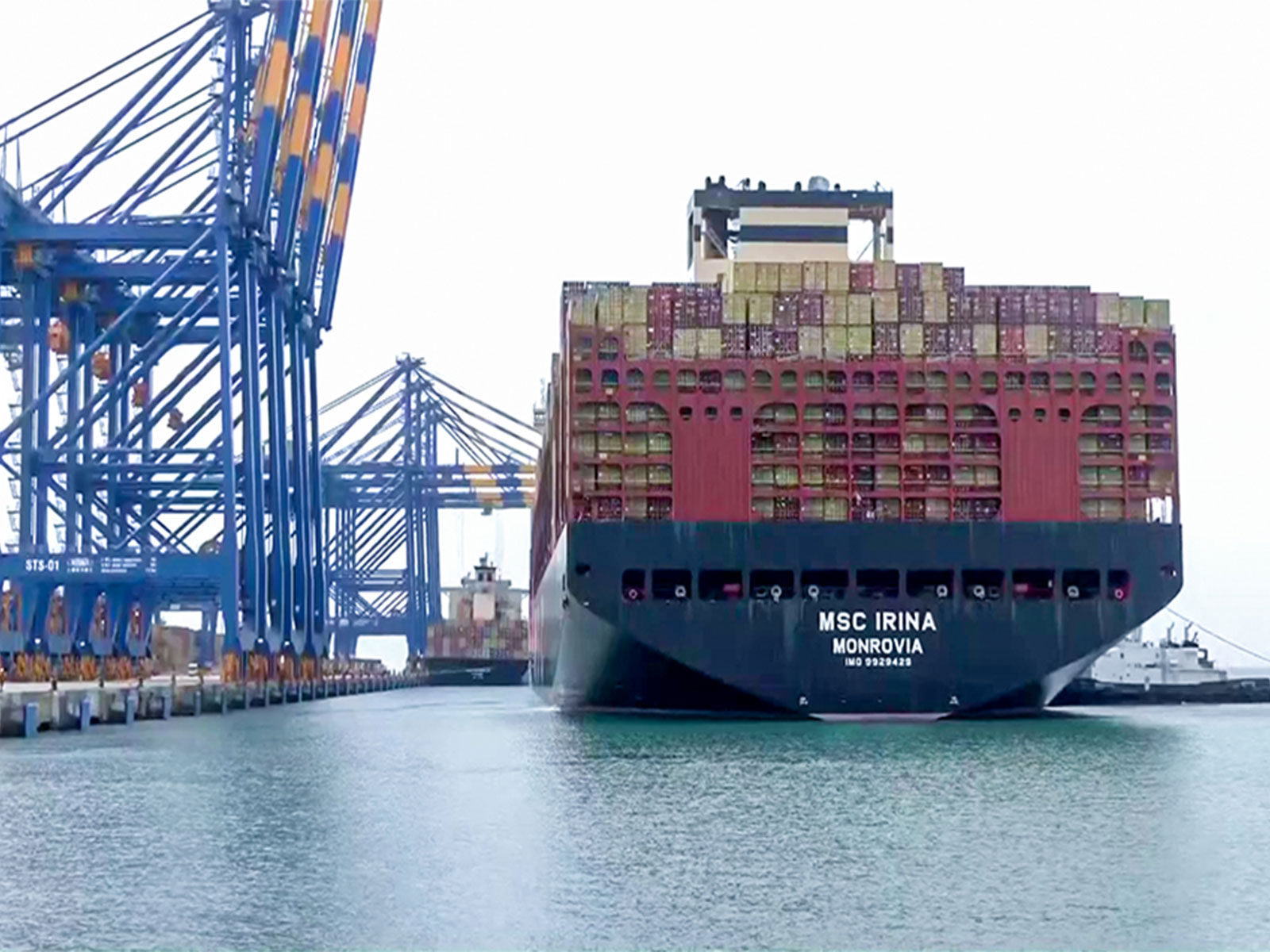
The report says that the geopolitical situation intensified sharply following the United States and Israel's strikes on Iran on February 28, 2026, which killed Iranian Supreme Leader Ali Khamenei and triggered retaliatory threats from Tehran. The escalation has disrupted shipping through the Strait of Hormuz, considered the world's most critical oil chokepoint, handling nearly 20 per cent of global oil flows, and has damaged key energy infrastructure across parts of the Middle East.
According to the Finance Ministry, the developments mark a pivotal escalation that echoes the oil shocks witnessed during the 1991 Gulf War and could potentially reshape global energy geopolitics for decades. The report highlights that the conflict has already pushed Brent crude prices up by about 9 per cent to nearly USD 80 per barrel, while liquefied natural gas (LNG) prices have surged by around 50 per cent.
Despite the global turbulence, the ministry said India currently remains relatively well-positioned to manage the immediate impact of rising energy prices. The country's macroeconomic fundamentals, including adequate foreign exchange reserves, a relatively low current account deficit (CAD) of 0.8 per cent of GDP in the first half of FY26, and moderate inflation, provide a cushion against external shocks.
However, the report cautions that the risks could intensify if the crisis persists for an extended period, even though supply-side dynamics remain supportive for now.
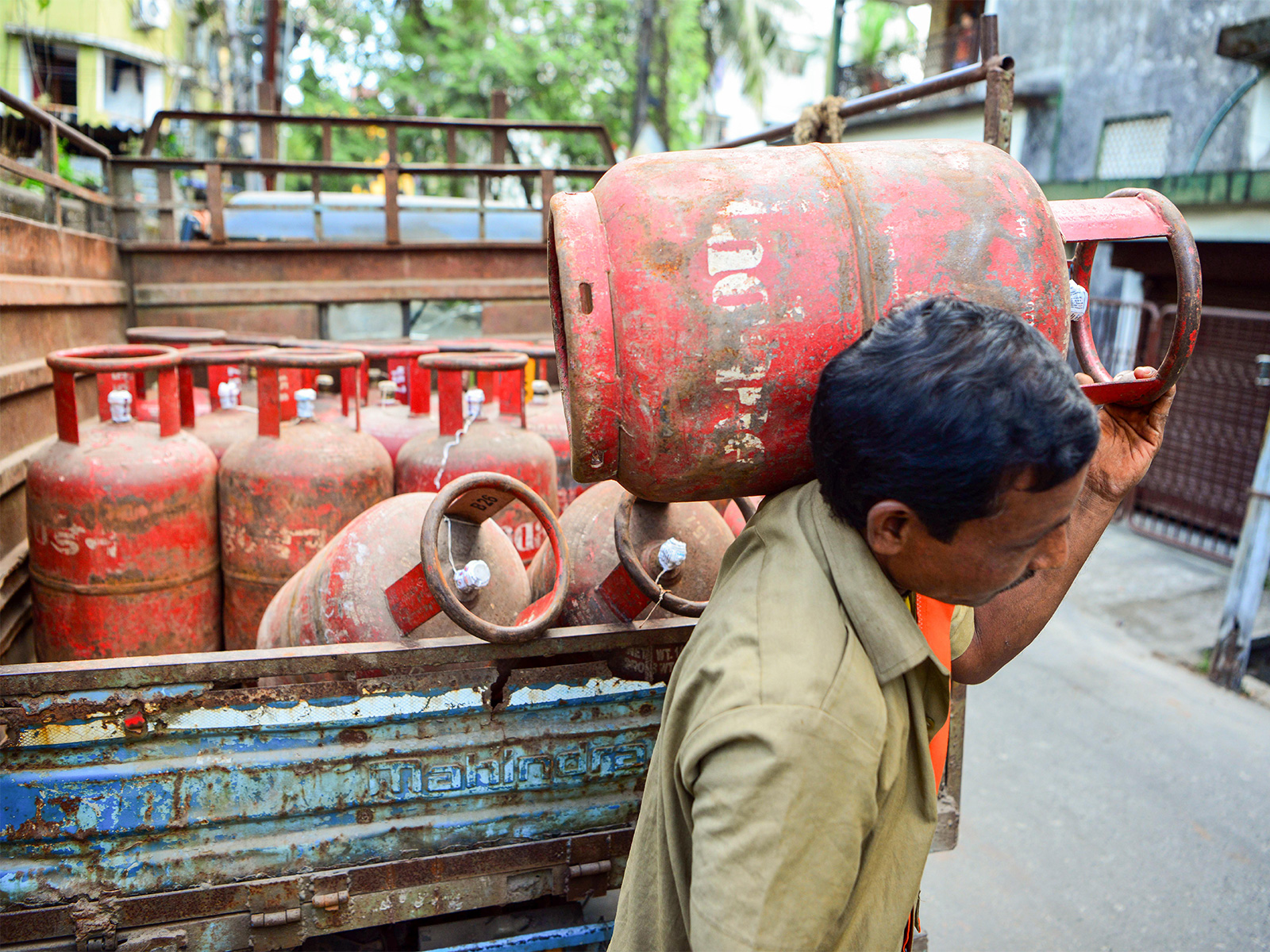
The ministry also flagged the possibility that subdued global capital flows, particularly in a scenario where investors shift towards safer assets, could put pressure on the Indian currency. A prolonged conflict could also disrupt energy markets and supply chains, affecting sectors that rely heavily on imported fuel.
Industries such as fertilisers and petrochemicals, which depend significantly on LNG and crude oil inputs, may face increased costs if energy prices remain elevated for an extended period. This, in turn, could feed into broader price pressures across the economy.
While India enters this period of geopolitical uncertainty with a stronger macroeconomic foundation compared to previous global shocks, the Finance Ministry emphasised that the evolving situation warrants careful monitoring.
The report suggests that the long-term economic implications of the conflict may extend beyond immediate oil price volatility, particularly if supply routes remain vulnerable or geopolitical tensions in the region persist.
Overall, the ministry underscored that the global environment has become significantly more uncertain, and policymakers will need to remain vigilant to safeguard macroeconomic stability while navigating potential disruptions to energy markets, capital flows and trade dynamics.
Earlier, Petroleum Minister Hardeep Puri on Friday said there is no shortage of energy in India, and there is no cause for worry for its energy consumers.
The minister discussed various aspects of India's uninterrupted energy imports despite geopolitical challenges with the media.
"Our priority is to ensure the availability of affordable and sustainable fuel for our citizens, and we are doing it comfortably. There is no shortage of energy in India, and there is no cause for worry for our energy consumers," the minister posted on X.
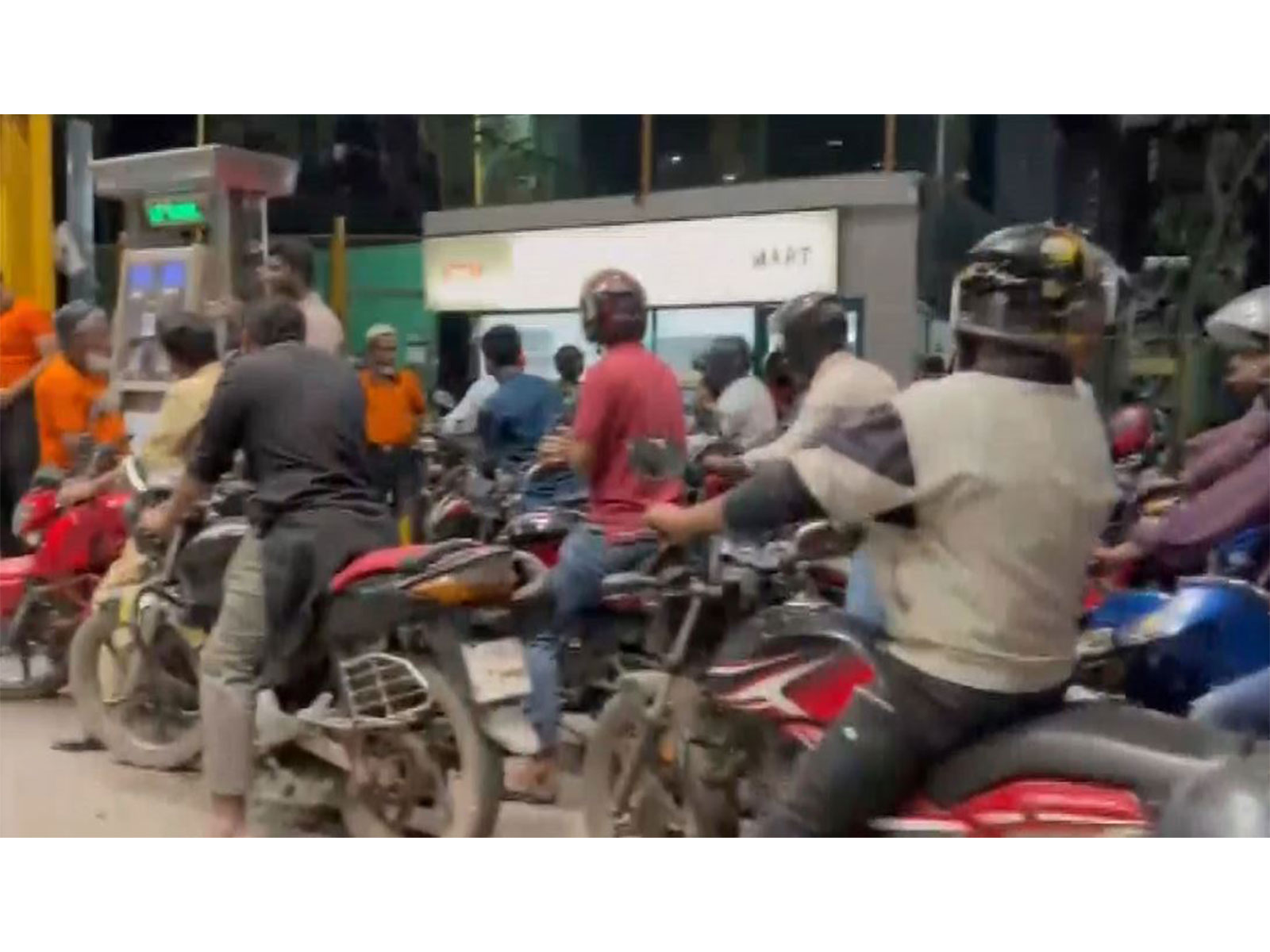
Additionally, Indian Oil Corporation rubbished reports on social media suggesting a shortage of petrol and diesel, and termed them as baseless.