Will support early resolution to Ukraine, West Asia conflicts: PM Modi; Cyprus backs India's bid for reformed UNSC
May 22, 2026
New Delhi [India], May 22 : Prime Minister Narendra Modi said India continues to support all diplomatic efforts for an early resolution to ongoing conflicts in Ukraine and West Asia and a return to lasting peace.
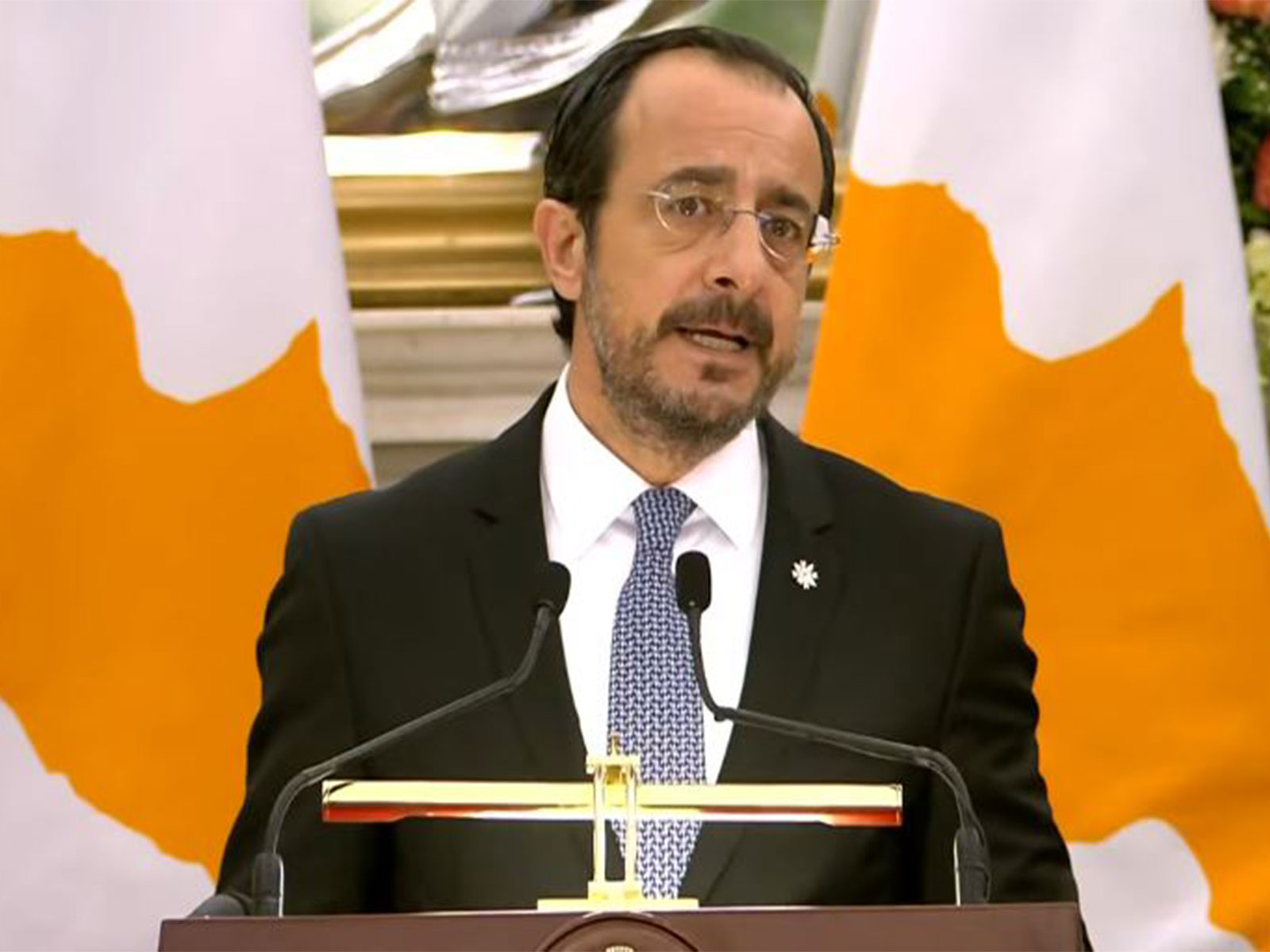
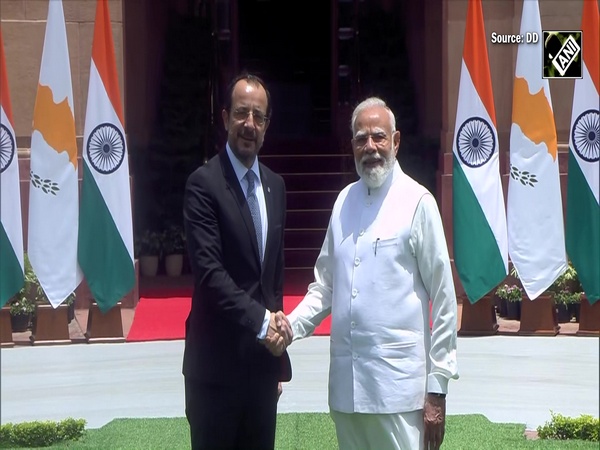
Addressing a joint press meeting with the Cyprus President Nikos Christodoulides after holding delegation-level talks, PM Modi reiterated that India has always been in favour of peace, dialogue and diplomacy to resolve global conflicts.
"Today we discussed global issues, be it Ukraine or West Asia, we will continue to support efforts for an early resolution to ongoing conflicts and for peace. We are also unanimous on the view that reform of global institutions is urgent and important for resolving the growing global challenges," PM Modi said.
Stating that Christodoulides' visit to India "marks another important milestone" in the shared journey of the two countries, PM Modi highlighted that the friendship between India and Cyprus is "both strong and futuristic".
Prime Minister Modi announced the elevation of India-Cyprus relations to a strategic partnership. Further, he also pointed to new opportunities arising from the India-European Union Free Trade Agreement and said the two sides aim to double investments in the next five years.
Addressing a joint press meeting, PM Modi highlighted that Cyprus is among India's top 10 investors and noted that investments from Cyprus have doubled over the past decade. PM Modi also pointed to new opportunities arising from the India-EU Free Trade Agreement and said the two sides aim to double investments in the next five years.
Meanwhile, the Cypriot President, in the joint address to the press, said that Cyprus backs India's bid for a reformed UNSC.
"In our discussions today, the Prime Minister and I reaffirmed that our relations have entered a new era," Christodoulides said.
He said that "Cyprus also supports India's growing global role, including its rightful place in the reformed United Nations Security Council."
"Prime Minister Modi and I also discussed broader regional and international developments, reaffirmed our shared commitment to international law, the United Nations Charter, and, of course, effective multilateralism principles that matter today more than ever before", the visiting President of Cyprus said.
"We deeply value India's long-standing support for our efforts to reunify Cyprus, and I wanted to thank you for your steadfast support for the independence, sovereignty, and territorial integrity of Cyprus," he said.
Earlier this week, during the 5th Intergovernmental Negotiations (IGN) plenary in New York, India and the G4 nations (India, Brazil, Germany, and Japan) proposed a historic compromise: new permanent members in an expanded Council would not exercise their veto power during a 15-year review period.
Addressing one of the most contentious roadblocks to UNSC expansion, the veto power held by the current P5 (US, UK, France, Russia, and China), the G4 reiterated a pragmatic compromise designed to disarm opposition.
The group firmly rejected creating a "sub-category" of second-class permanent members, asserting that new permanent members must ultimately hold the same responsibilities and obligations as current ones. However, to foster constructive dialogue, the G4 proposed that new permanent members would not exercise the veto until a formal review is conducted after a 15-year period.
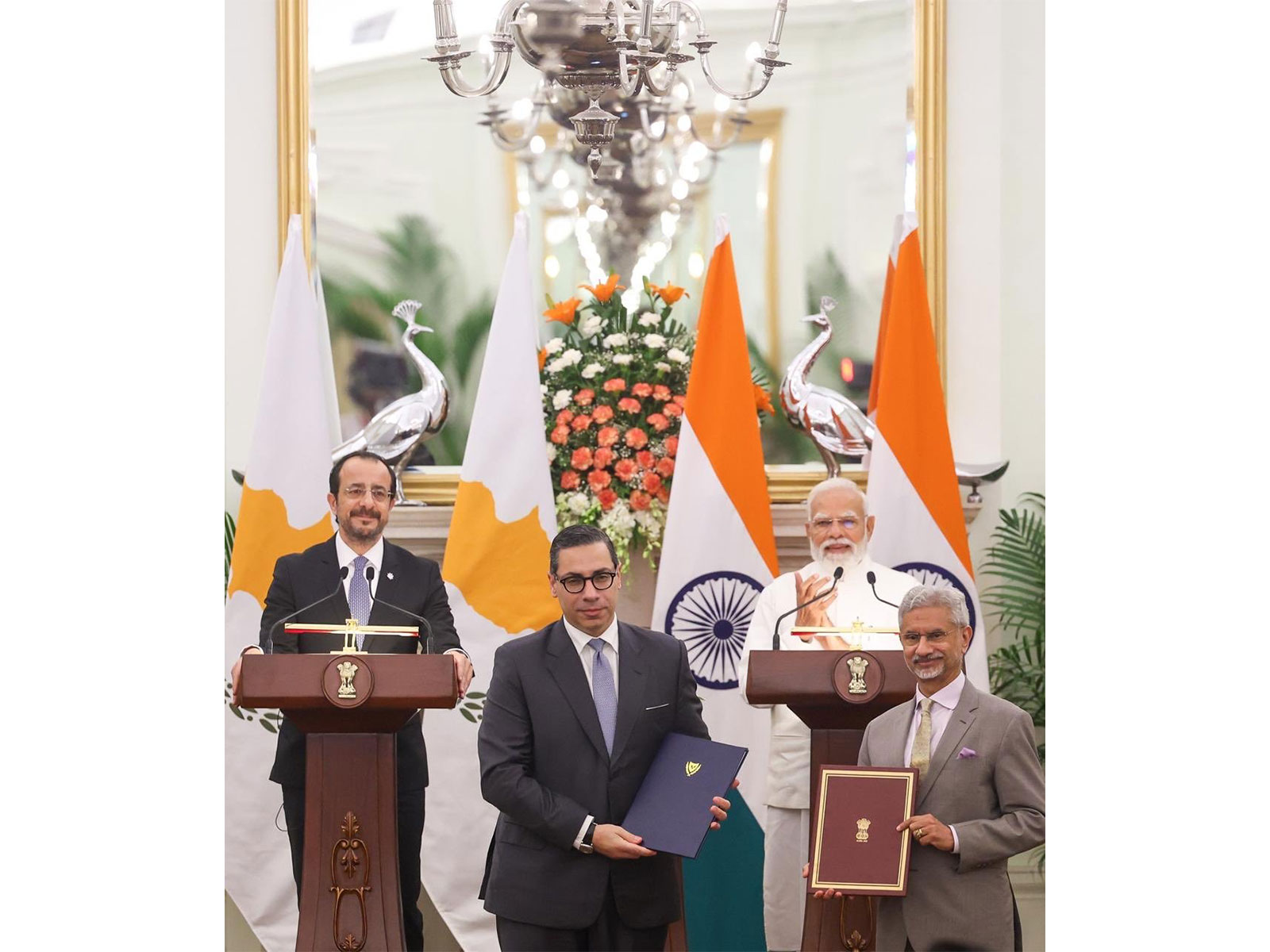
At the delegation level talks of PM Modi with Cyprus President Christodoulides in New Delhi, External Affairs Minister S Jaishankar, NSA Ajit Doval, and Foreign Secretary Vikram Misri were also present.
The discussions covered areas of trade and investment, defence and security, maritime and financial connectivity, technology and innovation, mobility, education, culture and India-EU engagement. They also exchanged perspectives on regional and global issues, MEA spokesperson Randhir Jaiswal said.
"Both leaders reiterated their commitment to combating terrorism in all its forms and manifestations, including cross-border terrorism," Jaiswal said
The leaders also witnessed the exchange of several agreements, including counter-terrorism, maritime security, diplomatic training, innovation, education and culture, among others.