Beyond Punishment: How one design project is reimagining prison reform through clay
Aug 10, 2026
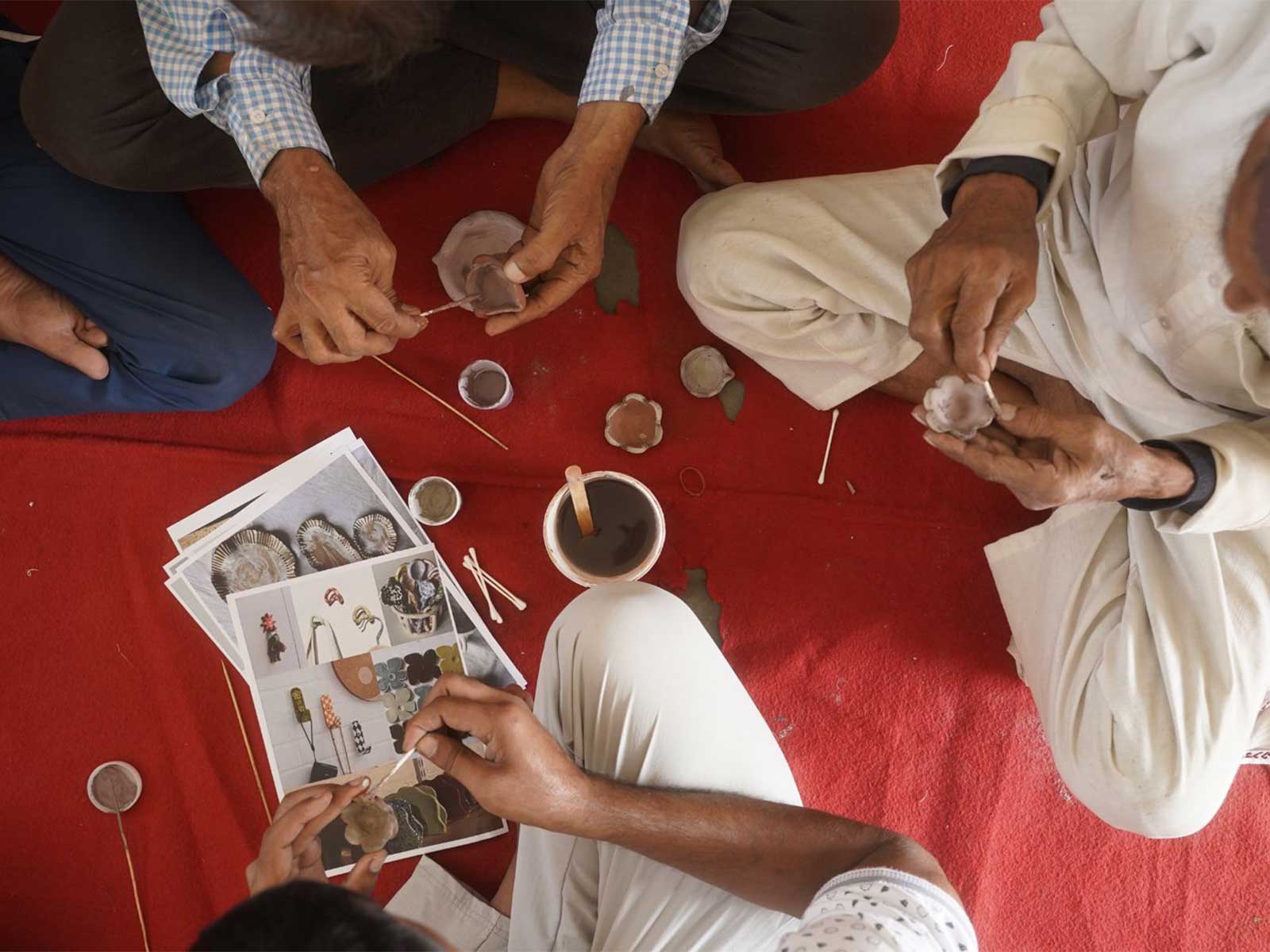
Ahmedabad (Gujarat) [India], August 10 : Every year on August 10, the world observes Prisoners' Justice Day, a day that serves as a reminder that people in prison retain their dignity and human rights. It also echoes the principles of the United Nations Nelson Mandela Rules, the global standards for the treatment of prisoners, which recognise rehabilitation, education, vocational training, and meaningful cultural activity as essential parts of a humane prison system.
While conversations around prison reform often focus on infrastructure, overcrowding, or legal reform, an equally important question remains. What opportunities exist inside prisons for genuine transformation?
It was this question that led Shreya Kedia, a final-year student at the National Institute of Design (NID), Ahmedabad, to begin what started as a classroom discussion and gradually evolved into MITTI SUNG under Project Restart.
According to a press note, it is a restorative justice initiative that uses ceramics as a tool for rehabilitation, vocational training, and rebuilding identity among incarcerated individuals.
Project Restart is built around a simple belief that meaningful rehabilitation requires more than keeping people occupied. It requires systems that help individuals rebuild confidence, develop skills, improve mental well-being, and prepare for life after release. Ceramics became the chosen medium because it sits at the intersection of creativity and livelihood. It is therapeutic, accessible regardless of literacy or prior experience, and deeply rooted in India's craft traditions while also offering real market potential, according to the press note.
Over nine months during 2025, the pilot quietly demonstrated what such an approach could look like. Working in collaboration with TYCIA, with support from the NID Ford Foundation, prison officials, ceramic practitioners, volunteers, designers, photographers, lawyers, social workers, and countless well-wishers, Project Restart engaged more than one hundred inmates, former inmates, and juveniles in conflict with the law through ceramic workshops and structured training sessions.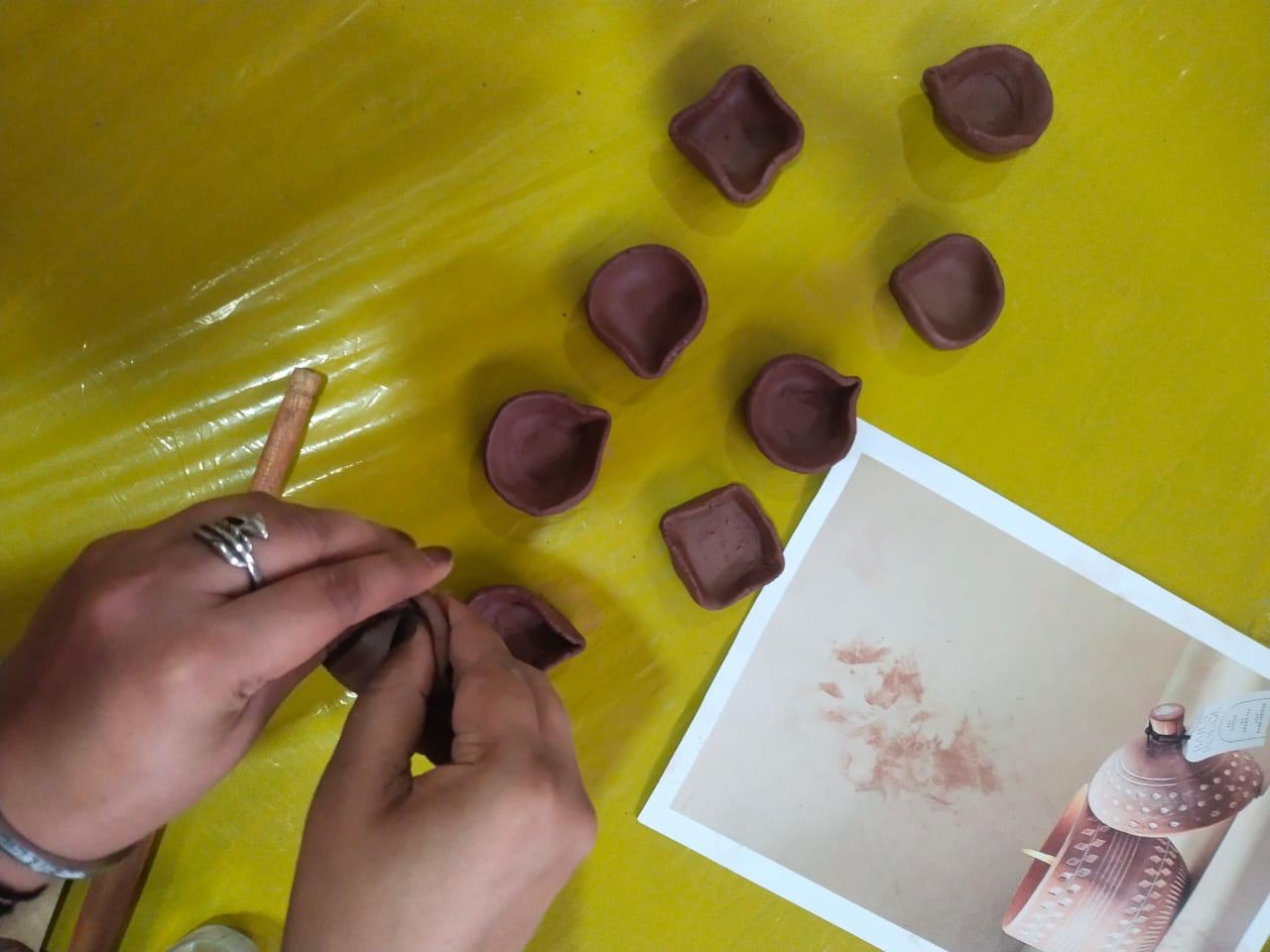
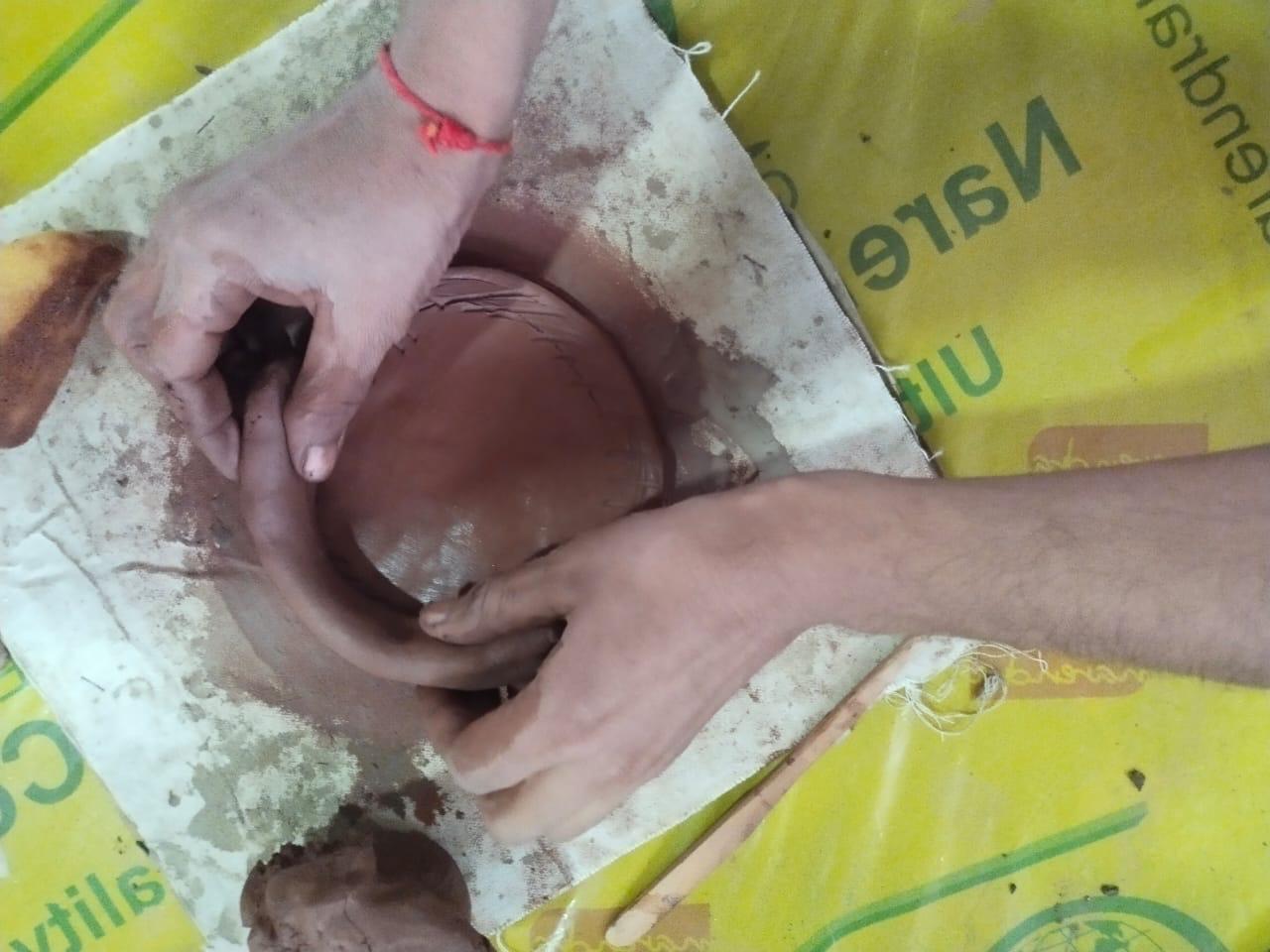
Together, they established a fully functional ceramic workshop and kiln inside Nuh Jail, Haryana, and raised over Rs 2.6 lakh through public crowdfunding to make the initiative possible.
According to the press note, the pilot also documented encouraging changes among participants. Feedback collected after multiple workshops indicated improvements in emotional well-being and reductions in irritability, with many participants expressing a desire to continue working with clay. While these findings are only an early indication, they suggest that structured creative practice can become an important part of rehabilitation alongside existing correctional programmes.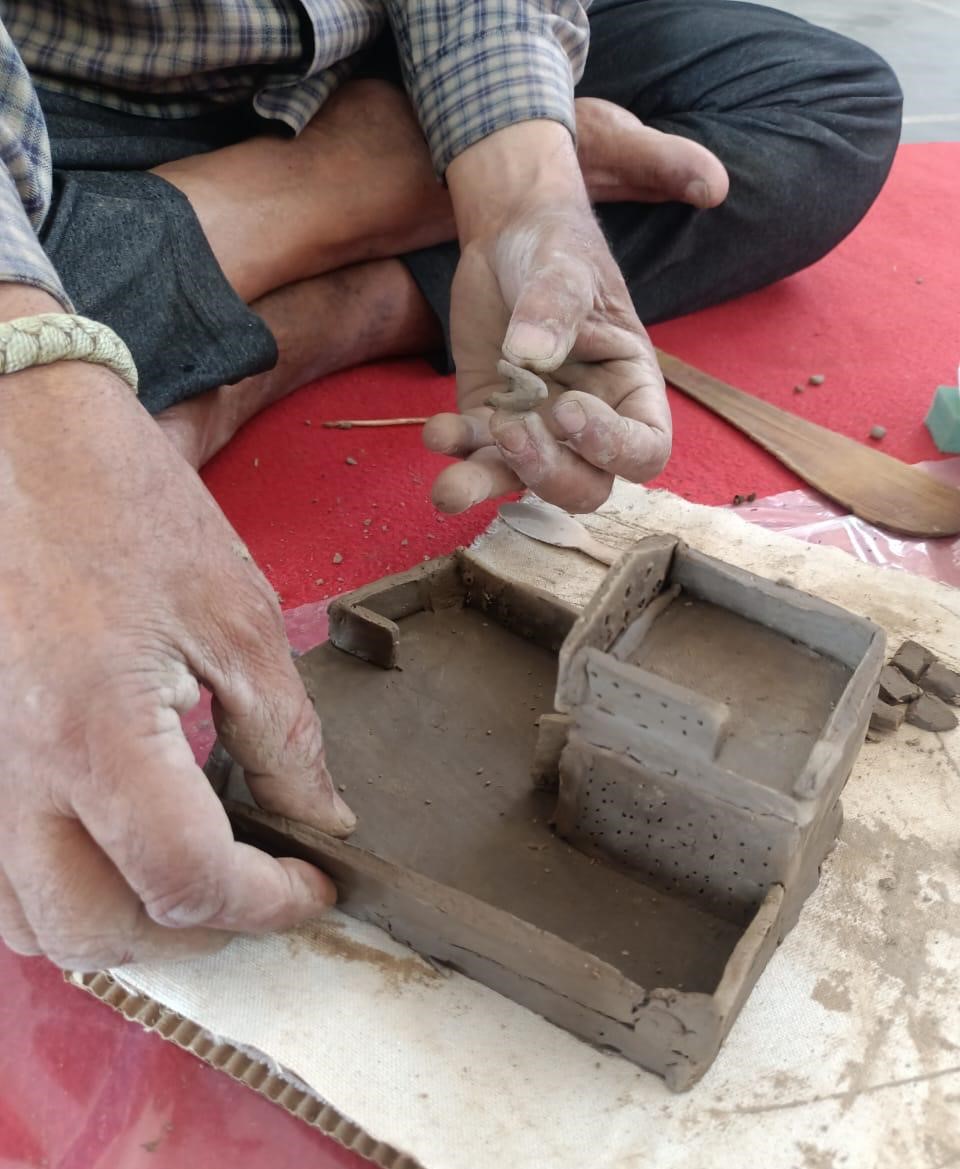
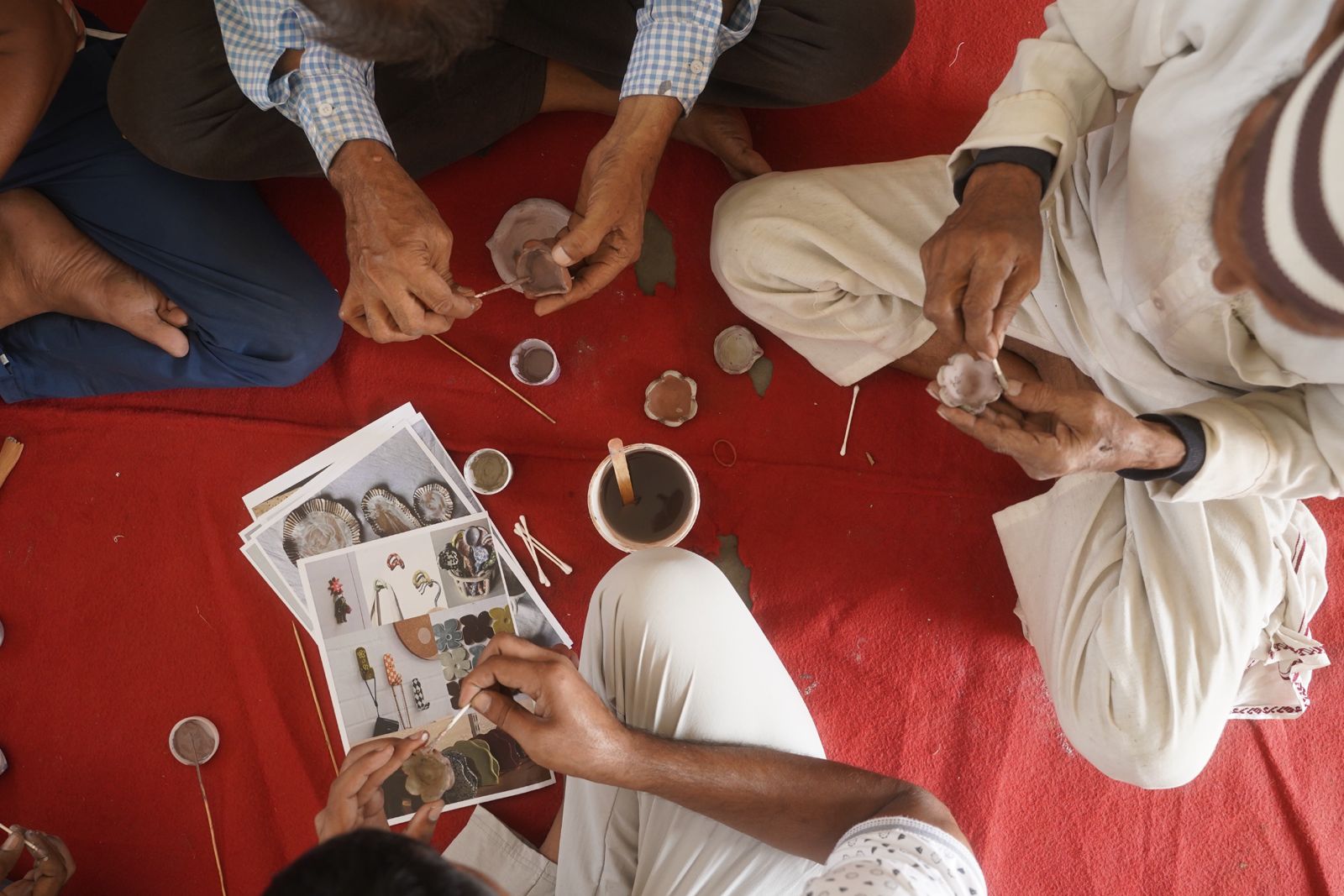
Some of the project's most meaningful outcomes, however, are found in individual stories.
A woman with lived experience of incarceration joined the team to learn ceramics, assist with workshops, and eventually facilitate sessions herself. Over three months of returning to prison, not as an inmate but as an educator, her relationship with the institution transformed. A place once associated with fear, trauma, and stigma became a place where she was respected for her knowledge and contribution. No longer identified by an inmate number, she became "Madam" to both prison officials and participants. In helping others rediscover their confidence, she found her own identity again, as per the press note. 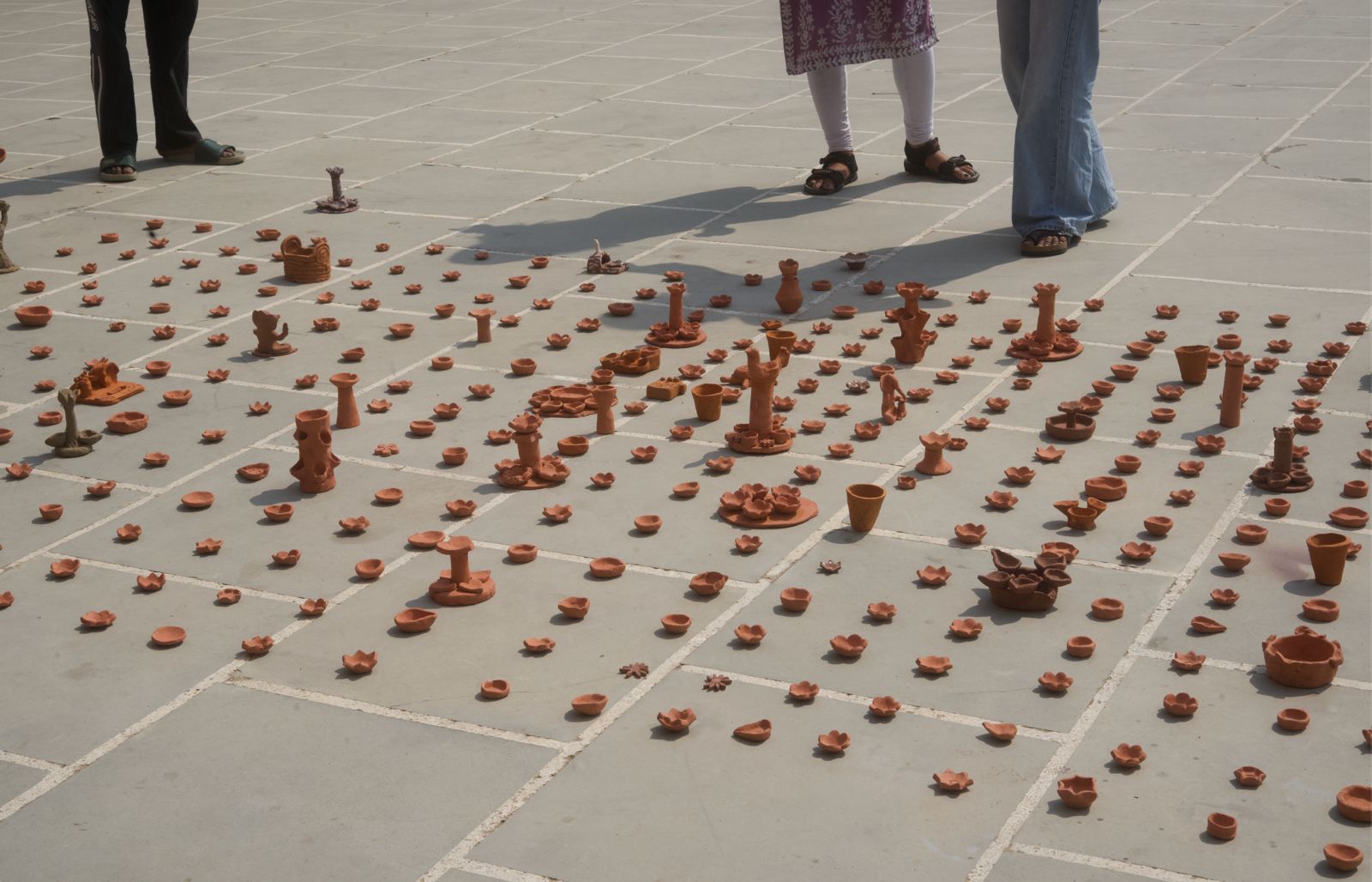
Project Restart also challenges conventional ideas of design. Rather than designing products alone, it seeks to design systems that connect prisons, designers, craftspeople, social workers, former inmates, and communities. The ceramic objects produced are important, but they are only one outcome. Equally valuable are the confidence, discipline, relationships, and sense of purpose that develop through the act of making.
The pilot has shown that such interventions are both possible and valuable. At the same time, it has highlighted how much more remains to be done. A few workshops cannot create lasting change on their own. The real challenge lies in ensuring continuity, building permanent ceramic units, training facilitators within prisons, creating pathways for post-release employment, and developing a financially self-sustaining model that allows the programme to continue independent of individual projects or grants, as per the press note.
On this Prisoners' Justice Day, Project Restart attempts to offer a reminder that prison reform is not only the responsibility of correctional institutions. It is a collective responsibility shared by designers, educators, policymakers, civil society, and communities willing to believe that people can change when given the opportunity, read the press note.