CTA President warns China’s growing influence could threaten wider world
Nov 28, 2026
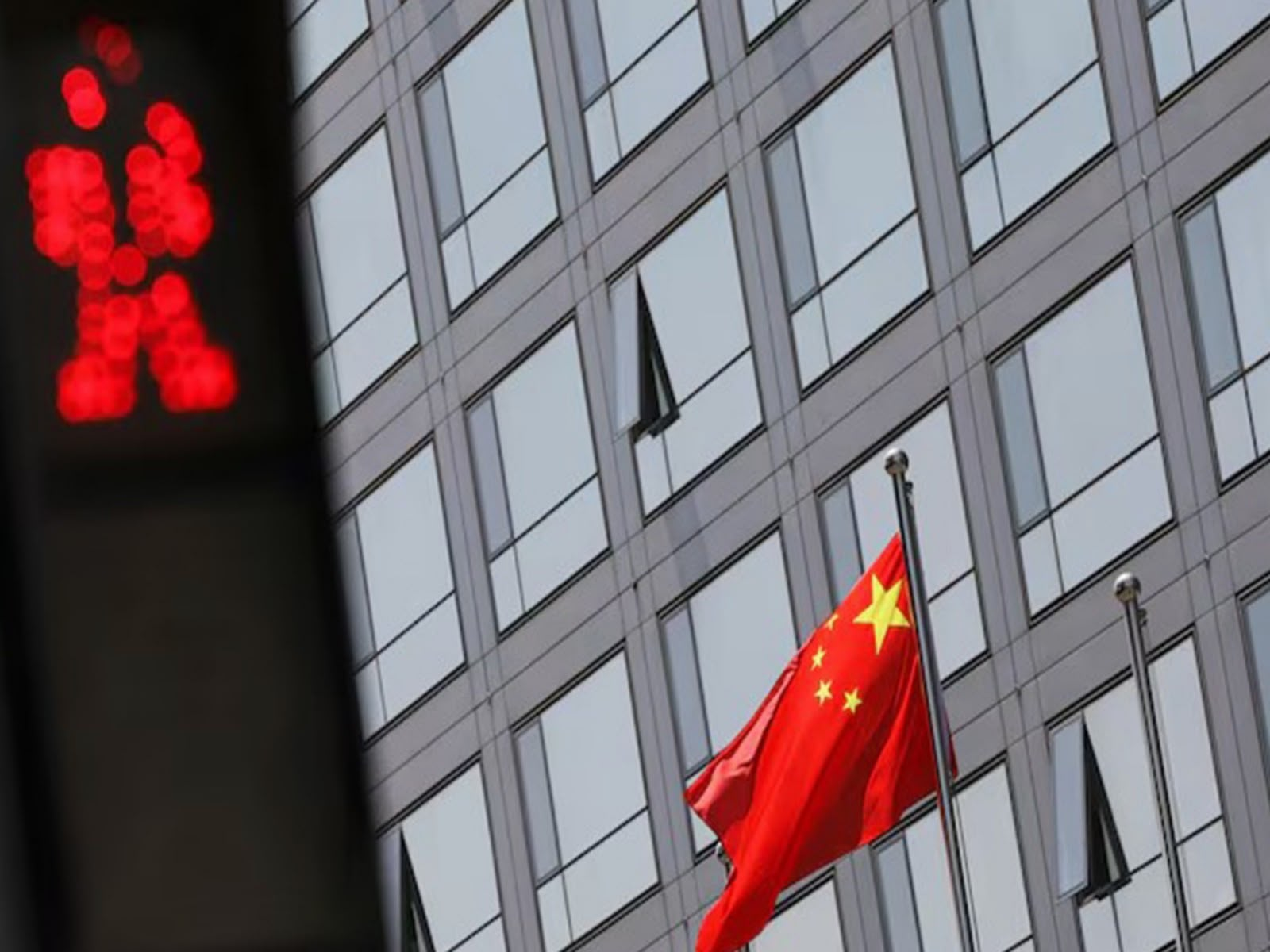
Dharamshala (Himachal Pradesh) [India], November 28 : Tibetan government-in-exile President Penpa Tsering has warned that China's policies in Tibet and its treatment of Tibetans and Uyghurs could serve as a blueprint for its actions as Beijing expands its global influence, urging governments to reconsider their engagement with China, Phayul reported.
According to the report, Tsering made the remarks during a media briefing organised by Optimum Publishing International at Parliament Hill in Ottawa, Canada, on November 25. He is currently visiting Canada to engage with parliamentarians and officials and seek greater international support for Tibet.
The CTA President cautioned that China's growing economic and political influence could eventually affect countries that have helped strengthen Beijing's position. He urged governments to closely examine China's Belt and Road Initiative (BRI), along with its Global Civilisation Initiative, Global Security Initiative and Global Development Initiative.
Questioning continued international support for Beijing, Tsering said Western countries had contributed to China's rise and warned that its expanding influence could have wider consequences. He urged governments to reconsider their approach before it was too late, Phayul reported.
A significant part of his address focused on the succession of the 14th Dalai Lama. Tsering accused Beijing of attempting to control the reincarnation process to extend its political authority over Tibet and its people. He stressed that reincarnation was a centuries-old spiritual tradition rooted in Tibetan Buddhist beliefs.
Criticising China's 2007 regulations on the recognition of reincarnated Tibetan Buddhist leaders, commonly known as Order No. 5, he outlined Beijing's position that the successor must be found within Chinese territory, the traditional Golden Urn procedure must be followed, and Chinese authorities must approve the recognition.
Tsering rejected these claims, citing the Dalai Lama's statement that he would be born in a free world. He also questioned the historical basis of China's claims regarding the Golden Urn, noting that the procedure was not used in recognising either the 13th or 14th Dalai Lama, Phayul reported.
The briefing also discussed concerns over forced labour, cultural repression, intimidation of Tibetan Canadians and China's proposed Ethnic Unity and Progress Law.