Delimitation debate: Owaisi’s next move in focus amid Opposition concerns
Nov 29, 2026
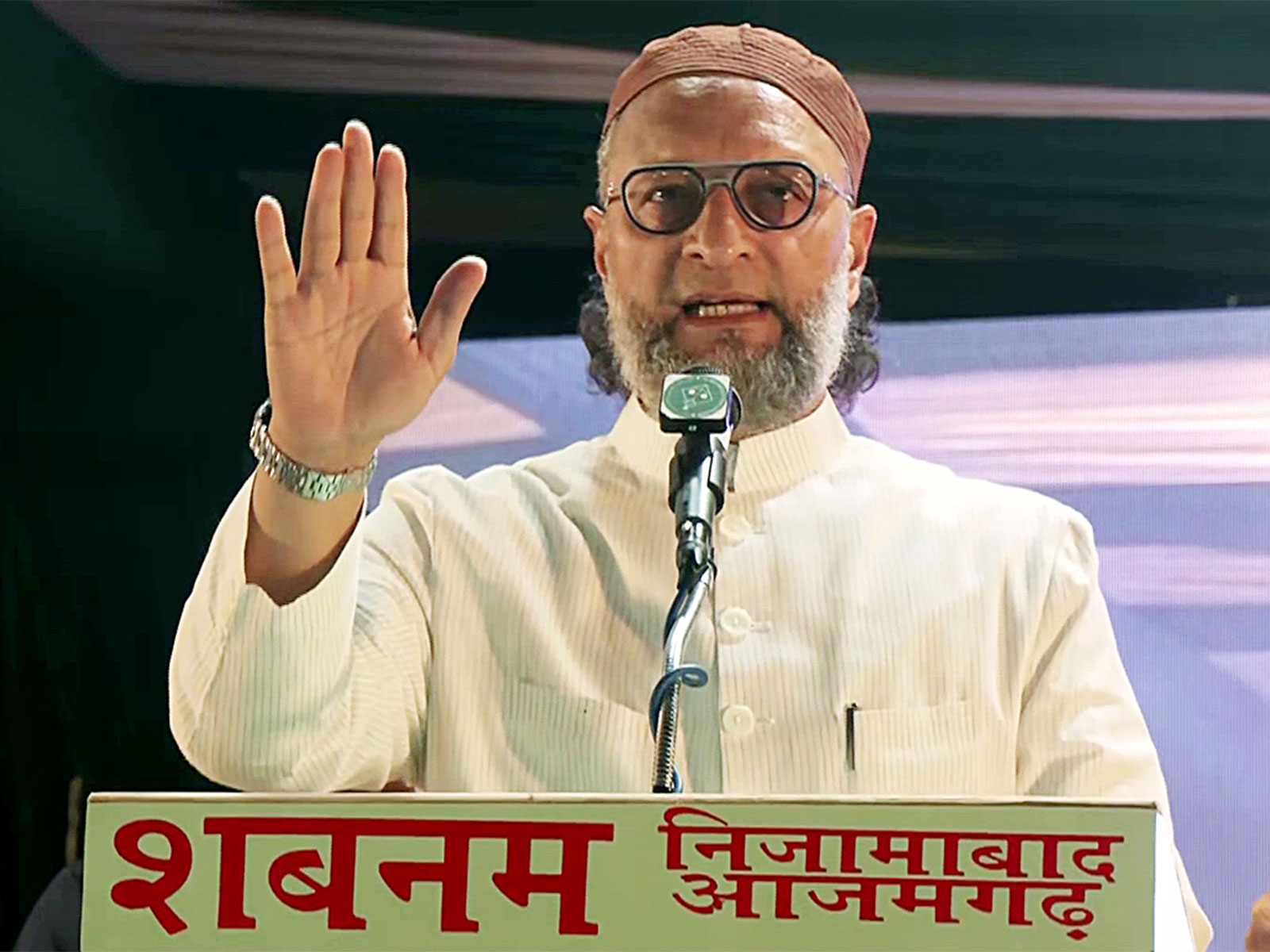
By Pramod Chaturvedi
Hyderabad (Telangana) [India], November 29 : All India Majlis-e-Ittehadul Muslimeen (AIMIM) has made its position on the delimitation issue clear; the bigger political question now is: what will party president Asaduddin Owaisi do in the emerging political scenario? Will he join hands with the Opposition in resisting the Centre’s proposal, or will he chart an independent course by pushing for specific constitutional safeguards and amendments?
Owaisi has consistently raised concerns over the implications of delimitation for India’s federal structure and equitable political representation. His argument goes beyond the question of increasing the number of parliamentary constituencies.
He has emphasised that any restructuring of electoral constituencies must ensure that the political voices of marginalised communities, including Muslims and Other Backwards Classes (OBCs), are not further weakened.
However, changing political circumstances have made the issue more complicated.
The Centre’s revised proposal, which seeks to increase the strength of Parliament while maintaining the existing proportional representation of states, has opened a fresh debate. The government maintains that its proposal addresses concerns raised by states, particularly those that have successfully implemented population-control measures.
For Owaisi, the challenge is now to translate AIMIM’s objections into a concrete political and parliamentary strategy.
Will he align with the INDIA bloc and oppose the government’s proposal collectively? Or will he take a more nuanced position, supporting women’s reservation in principle while demanding safeguards for Muslim women, OBCs and other underrepresented communities?
Another important question is whether Owaisi will seek amendments relating to the composition and functioning of the Delimitation Commission, transparency in constituency restructuring and adequate representation for socially disadvantaged sections.
His political position will also be closely watched in the context of the Opposition’s internal differences. While several Opposition parties have expressed reservations about the Centre’s approach, differences have emerged over how to respond to the revised proposal.
This could provide Owaisi an opportunity to assert AIMIM’s independent political identity rather than simply follow the Opposition’s collective line.
At the same time, the party will have to balance its concerns over Muslim political representation with the broader constitutional questions surrounding federalism, electoral equality and democratic participation.
The real test for Owaisi, therefore, is not merely whether he opposes or supports the government’s proposal.
It is whether he can emerge with a clear political roadmap that protects the interests of marginalised communities while addressing the larger question of fair representation in Parliament.
AIMIM’s position may be clear, but Owaisi’s next political move remains the subject of considerable interest. Will he become part of a united Opposition campaign, negotiate for specific safeguards, or take an independent stand in Parliament?
As the delimitation debate gathers momentum, all eyes will be on Owaisi and the strategy he chooses to adopt.