ECLGS 5.0 to boost credit growth while safeguarding bank asset quality: Equirus Report
May 06, 2026
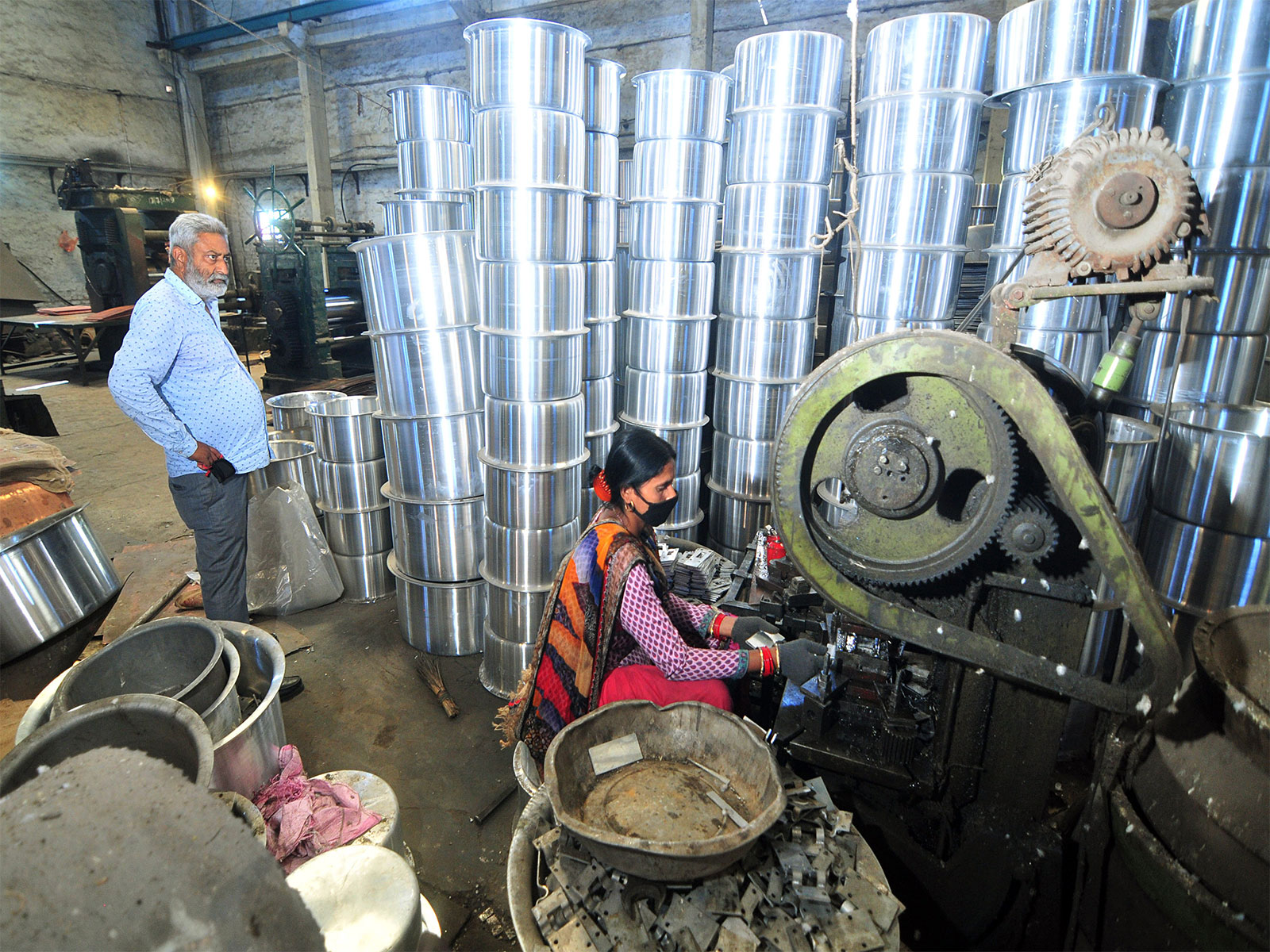
New Delhi [India], May 6 : The Union Cabinet's approval of the Emergency Credit Line Guarantee Scheme (ECLGS) 5.0 is expected to provide a fresh thrust to credit growth while reinforcing asset quality resilience across the banking system, according to a sector report by Equirus Securities.
The scheme, cleared with a total guarantee cover of Rs 2.55 trillion, targets borrowers classified as standard as of March 2026 and is designed to support incremental funding with sovereign-backed risk mitigation.
The Equirus report notes that the structure of ECLGS 5.0--particularly the high guarantee coverage and capped incremental exposure--should encourage lenders to step up disbursements to vulnerable segments such as MSMEs and select corporates, even amid macroeconomic uncertainty.
"ECLGS 5.0 supports credit growth with contained downside risk, aiding year-on-year loan growth while limiting slippages and credit costs on a quarter-on-quarter basis," the report said, highlighting the scheme's dual impact on loan expansion and balance sheet stability.
The report adds that the Cabinet decision is likely to unlock incremental credit demand, especially among MSMEs, which receive 100 per cent guarantee coverage under the scheme. For non-MSMEs and sectors such as aviation, the guarantee extends up to 90 per cent, ensuring lenders retain some risk discipline.
Past trends indicate strong traction under earlier ECLGS phases, with banks accounting for nearly 86 per cent of total disbursements and MSMEs forming the bulk of beneficiaries. The continuation under ECLGS 5.0 is expected to replicate similar credit offtake patterns, albeit with tighter caps on incremental exposure.
Sectorally, trade, services, textiles, and food processing--key beneficiaries earlier--are likely to remain major recipients, supporting broader economic activity.
Another key highlight of the Cabinet decision is its positive implication for asset quality. Historical data from earlier ECLGS phases showed lower stress levels among beneficiaries compared to non-beneficiaries.
"Under ECLGS 1.0-2.0, NPA rates (Mar '22) were 4.8 per cent for ECLGS borrowers versus 6.1 per cent for non-ECLGS borrowers, with lower flow-forward rates for ECLGS cohorts," the report noted.
The sovereign guarantee mechanism, combined with structured repayment tenures and moratoriums, has historically cushioned borrowers and reduced slippage risks. This trend is expected to continue under ECLGS 5.0, particularly for banks with higher exposure to MSMEs and stressed sectors.
The scheme is broadly credit-positive for the banking sector, enabling lenders to expand loan books without materially increasing risk-weighted exposure. Public sector and regional banks, which saw higher participation in earlier phases, are likely to benefit significantly again.
The guarantee-backed framework also ensures faster claim settlement--historically around 75 per cent within 30 days--improving recovery visibility and reducing provisioning uncertainty.
At a system level, the Cabinet's move acts as a counter-cyclical buffer, supporting liquidity and credit flow during periods of macroeconomic volatility. By targeting standard borrowers and capping incremental lending, ECLGS 5.0 balances growth stimulation with prudential safeguards.
Overall, the report says the policy is expected to sustain credit momentum, improve borrower behaviour, and maintain asset quality stability--key pillars for the banking sector's medium-term outlook.