Economists expect RBI to hold rates steady, rule out near-term policy hike
Jul 14, 2026

Mumbai (Maharashtra) [India], July 14 : Leading economists have stated that the Reserve Bank of India (RBI) is locked into a tight operational balancing act and is widely anticipated to maintain a status quo in interest rates in its upcoming Monetary Policy Committee (MPC) meeting.
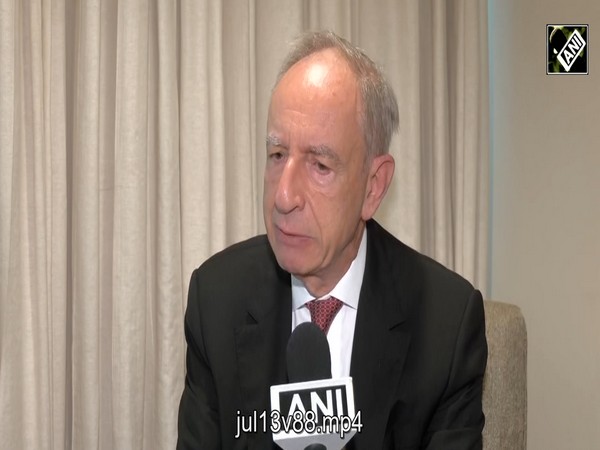
In an exclusive interview with ANI, the experts highlighted that despite the twin pressures of a volatile West Asia crisis and relentless supply-side inflation, a resilient domestic growth engine is currently providing the central bank the necessary cushion to maintain a "wait-and-watch" approach rather than panic-react.
Faced with a classic growth-versus-inflation dilemma, the analysts explained that India's domestic momentum is holding its ground against global storms.
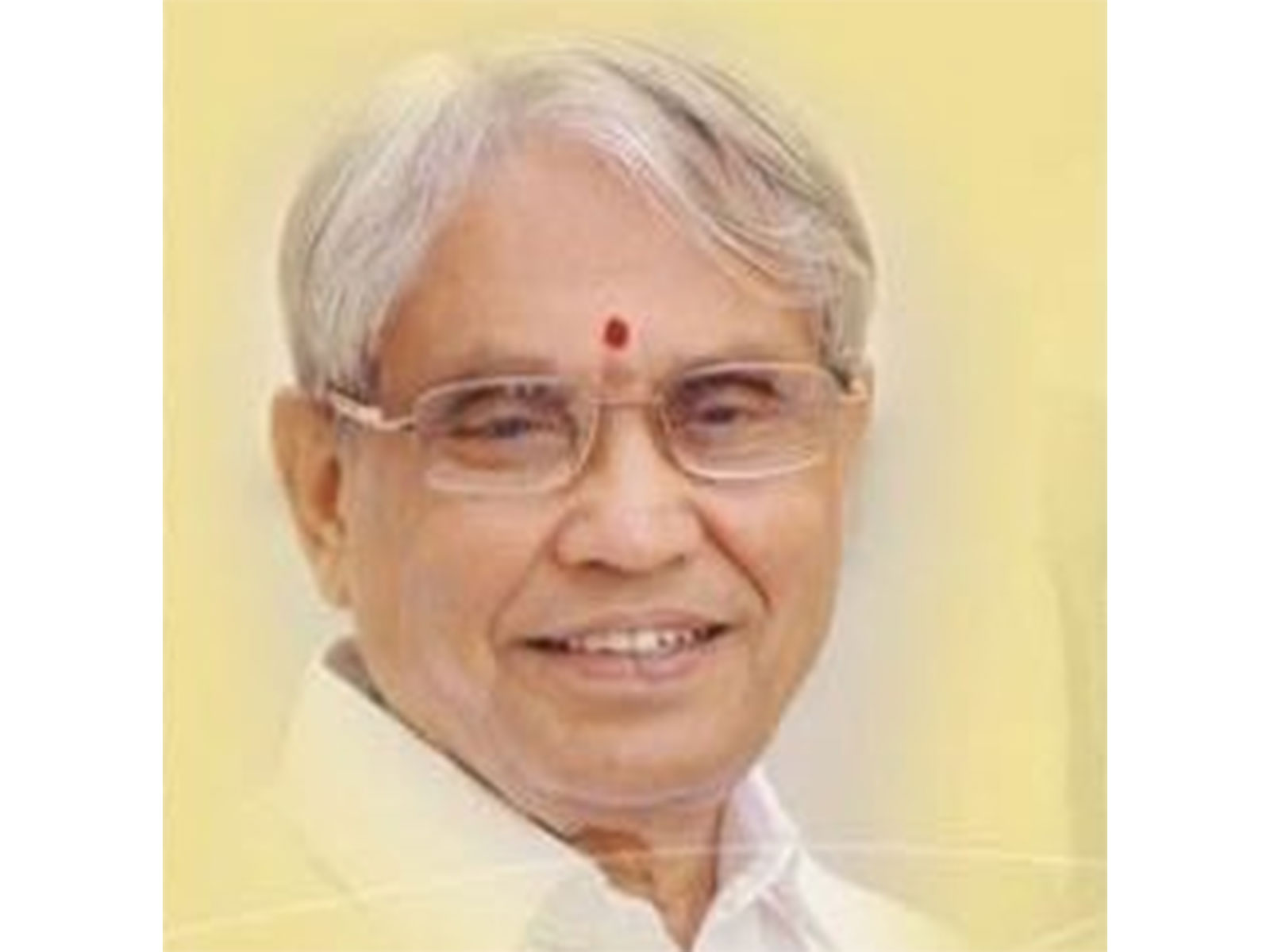
Rajani Sinha, Chief Economist at CareEdge Ratings, emphasised that high-frequency indicators continue to look robust.
"So far, growth numbers remain healthy. We haven't seen a material impact on growth; Q4 GDP data was better than expected, and high-frequency indicators look robust," Sinha said.
However, the inflation dragon is far from slain, keeping policymakers on high alert.
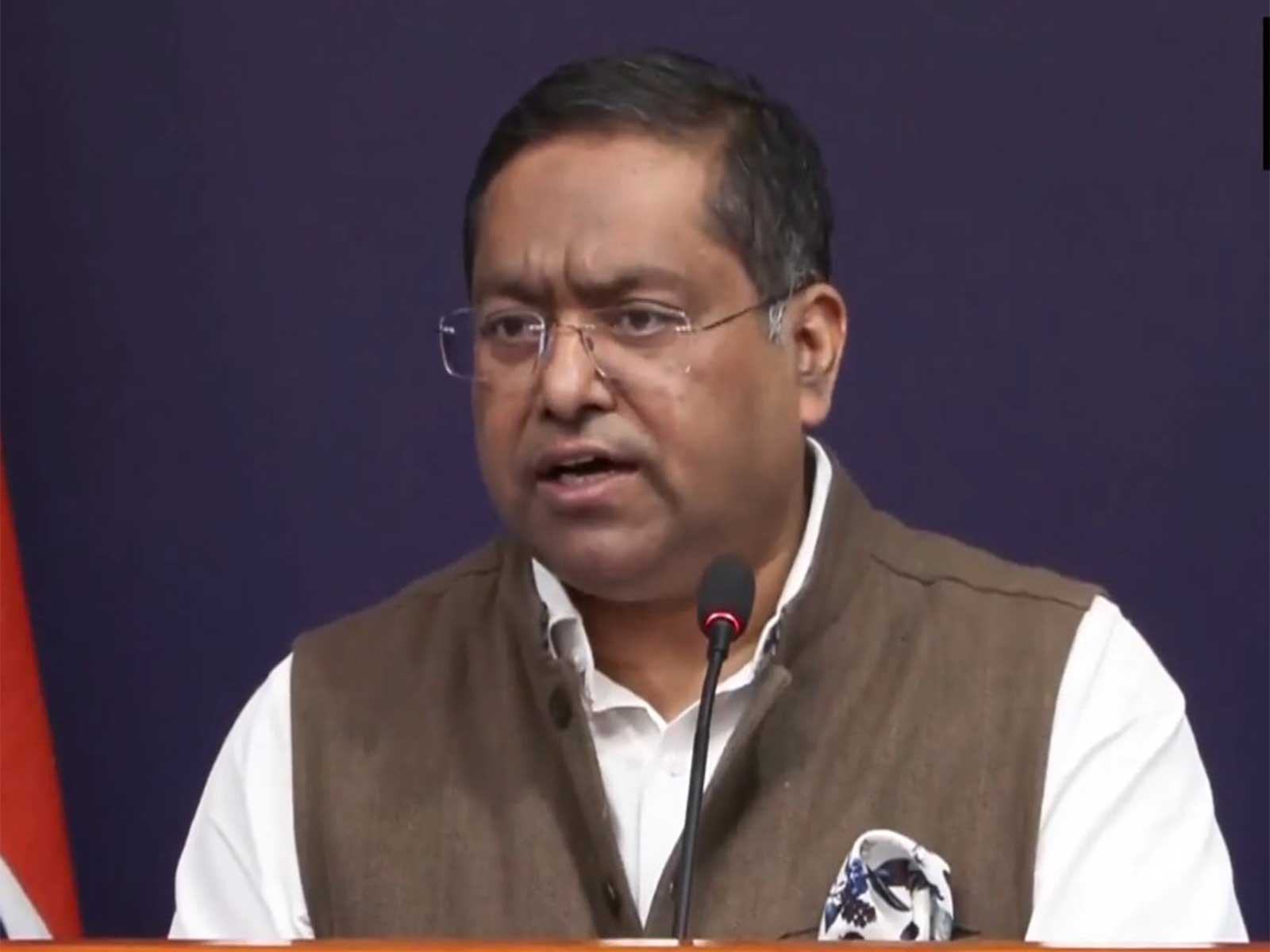
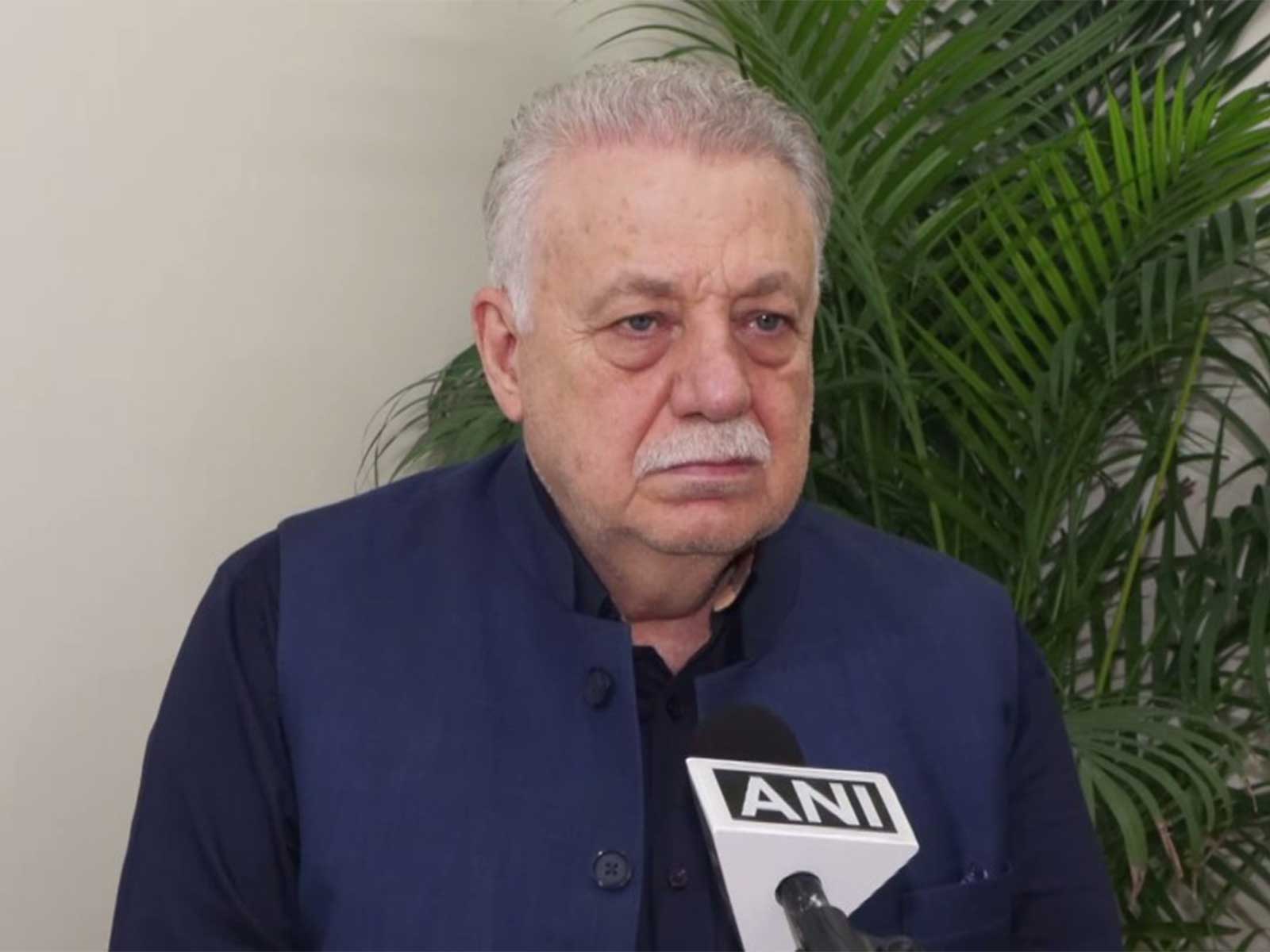
Dipti Deshpande, Senior Director and Principal Economist at CRISIL Ltd, underscored that the central bank's eyes remain trained squarely on price stability.
"Growth is going down, inflation is going up. And RBI is very clear that its mandate is to look at inflation, the part that is likely to hurt the economy the most," Deshpande explained.
For market watchers hoping for a dramatic policy shift, the consensus is clear that immediate rate cuts or aggressive adjustments are off the table.
Deshpande ruled out any near-term changes, stating, "No hike this coming MPC, no hike this calendar year".
Instead, she expects the central bank to quietly pull alternative operational levers, noting, "In this cycle of the three broad tools that the RBI has been largely using, we believe it will resort to rate action the least, and it will resort to communication and it will resort to liquidity management the most".
Sinha agreed that with crude oil swinging wildly and the monsoon up in the air, the RBI has no reason to gamble.
"Given these uncertainties, we expect the RBI to maintain a 'wait-and-watch' approach in the upcoming meeting and hold rates steady. The RBI has consistently emphasised that it will remain strictly data-dependent," Sinha said.
She added that any eventual policy action would likely be pushed "towards the end of the fiscal year" only if supply-side pressures threaten to permanently deform core consumer prices.
Perhaps the most fascinating insight shared by the economists is how India is structurally insulating itself from historical vulnerabilities. While an erratic monsoon still threatens to push food inflation toward a 7 per cent peak in the third quarter, Sinha pointed out a vital macroeconomic evolution.
"Over the years, the direct impact of a weak monsoon on overall economic growth has structurally reduced compared to a decade or two ago," she observed.
Deshpande concurred, revealing that aggressive government market interventions--like strategic buffer stock releases and trade curbs--are breaking the traditional link between poor rainfall and runaway food markets.
"The relationship between monsoon weakness and food inflation rise is weakening. Why that is happening is that government intervention is changing the equation," Deshpande said.
Coupled with a trade deficit that, despite crossing USD 30 billion, is safely neutralised by booming services and non-oil exports, the experts paint a picture of an economy under pressure, but entirely under control.