Final countdown begins: India awaits verdict in high-stakes five-state assembly elections
May 03, 2026
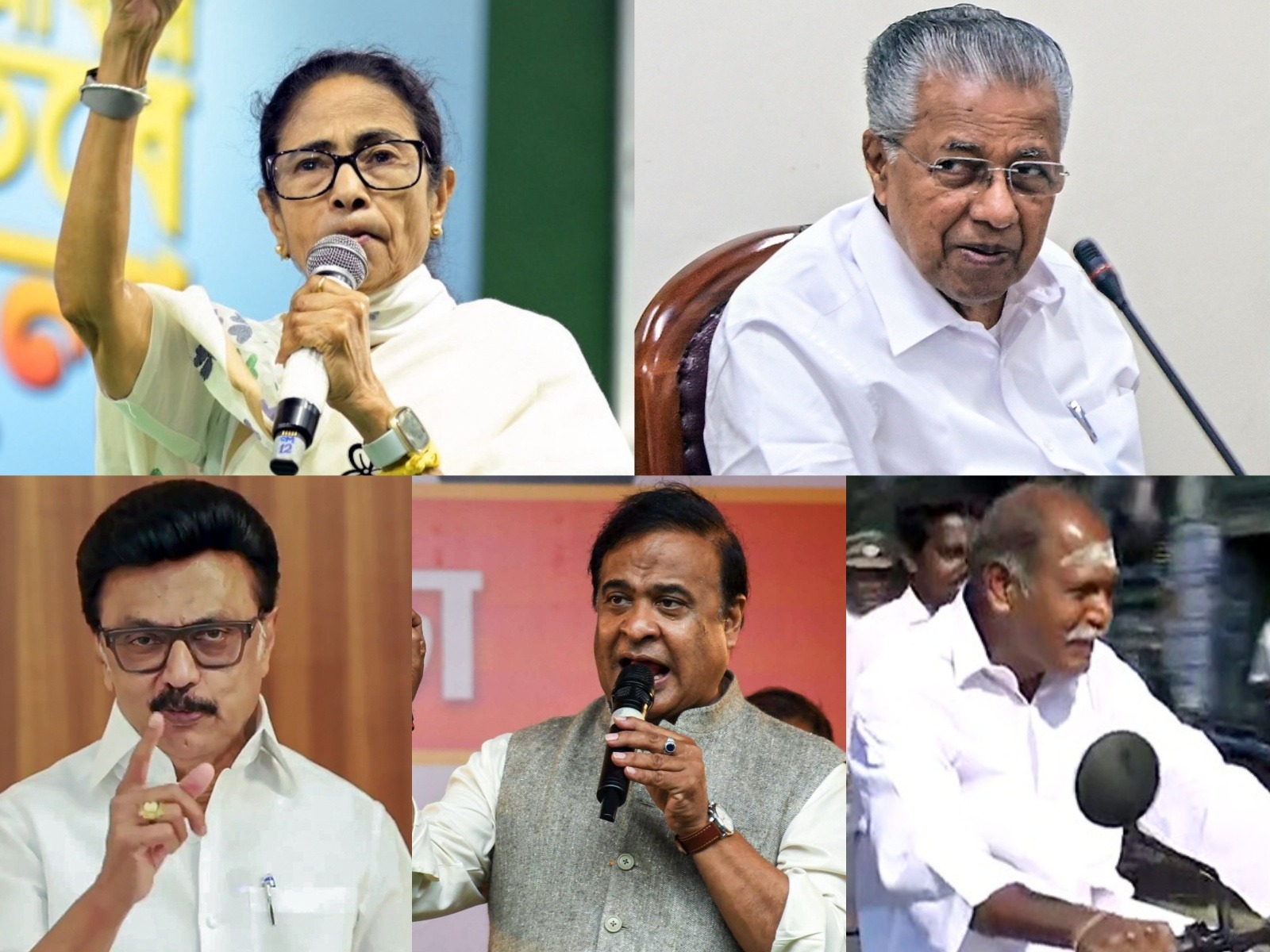
New Delhi [India], May 3 : As India braces for a decisive political moment, the stage is set for the counting of votes in the 2026 Assembly elections across four crucial states and one Union Territory, West Bengal, Tamil Nadu, Assam, Keralam, and Puducherry, scheduled for May 4.
After weeks of intense campaigning, record-breaking voter turnout, and fierce political exchanges, the verdict of millions is now sealed inside EVM strong rooms, guarded under multi-layered security.
What unfolded on the eve of counting day was nothing short of a political crescendo, with leaders across party lines making bold claims, raising concerns, and preparing for what could reshape the country's political landscape.
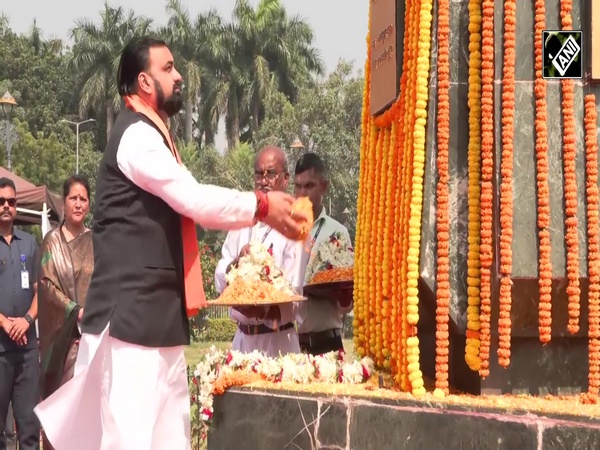
In West Bengal, arguably the most fiercely contested battleground, the atmosphere remained charged till the final hours. BJP leader Suvendu Adhikari struck a spiritual note ahead of counting, saying, "I offered prayers at the Lakshmi Narayan Temple. God is with us. A government that protects the interests of Sanatan Dharma is coming."
The BJP has projected confidence in unseating the ruling Trinamool Congress (TMC), with several leaders claiming that a wave of change is imminent.
On the other side, the TMC has doubled down on its assertion that Mamata Banerjee is headed for a comfortable return. Party leader Kunal Ghosh claimed, "Mamata Banerjee is coming back with more than 200 seats," even as he flagged logistical concerns over arrangements for counting agents, alleging that basic necessities like food and water were not being provided.
The party also raised alarms over security lapses, including allegations of unauthorised access to strong rooms, claims that the Election Commission has denied, assuring that all EVMs are "safe and secure."
Adding to the tension, the Election Commission ordered repolling in all 285 booths of the Falta constituency, citing "severe electoral offences and subversion of the democratic process." This decision triggered sharp reactions.
TMC's Abhishek Banerjee demanded accountability, while BJP leaders dismissed the move as a sign of the Opposition's "ego." Congress leaders, too, joined the chorus of criticism. MP Imran Pratapgarhi remarked, "If, despite deploying over 2.5 lakh central security forces, repolling has to be conducted, what could be more shameful for the Election Commission?"
Security remained tight across Kolkata, with senior CRPF officials inspecting strong rooms at Netaji Indoor Stadium. BJP workers gathered outside counting centres, claiming they were there to "safeguard EVMs," reflecting the deep mistrust between rival camps. Despite the allegations, election officials have reiterated that counting will be conducted in a "free and fair" manner.
In Tamil Nadu, the political narrative appears more predictable, but no less intense. The ruling DMK-led alliance is widely expected to retain power, buoyed by strong voter turnout and favourable exit polls.
Viduthalai Chiruthaigal Katchi (VCK) chief Thol. Thirumavalavan expressed confidence, stating, "The DMK-led alliance will secure a decisive victory and form the government with an absolute majority." He dismissed speculation about internal discord, asserting that cadre unity remains intact.
Preparations in the state have been meticulous. In Ranipet district, counting arrangements were reviewed at Arignar Anna Government Women's Arts College, with EVMs being sorted constituency-wise. The Election Commission has implemented a three-tier security system and introduced QR code-based identity verification for the first time, ensuring that only authorised personnel can access sensitive areas.
Meanwhile, in Assam, where the BJP is the incumbent, the party is banking on its governance record to secure another term.
Union Minister Piyush Goyal confidently predicted, "In Assam and Puducherry, the BJP will win for sure." However, Opposition voices remain equally assertive. MLA Aminul Islam said, "We are filled with hope that Congress will secure a major victory... People have rejected corruption and placed their trust in a clear face."
The state witnessed high voter turnout, with women outnumbering men at polling booths--a trend that could play a crucial role in the final outcome. The BJP's Himanta Biswa Sarma government has framed the election as a mandate for stability and cultural identity, while the Congress has focused on issues of governance and alleged corruption.
Keralam presents a different kind of contest, where the ruling Left Democratic Front (LDF) is seeking an unprecedented consecutive term. Historically known for alternating governments, Keralam's electorate has shown signs of shifting patterns.
While exit polls remain divided, Congress and the United Democratic Front (UDF) are hopeful of a comeback.
Imran Pratapgarhi emphasised that the BJP would not make inroads in the state, stating, "In none of these five states will a BJP government be formed."
The high voter turnout in Keralam, coupled with strong participation from women voters, indicates a politically engaged electorate. Chief Minister Pinarayi Vijayan has praised the smooth conduct of polling, while opposition leaders have raised concerns over the Election Commission's functioning, reflecting a broader national debate.
In Puducherry, a smaller but strategically significant region, the contest is closely watched. The BJP-led NDA is aiming to consolidate its position, while the Congress-DMK alliance is striving to regain ground. With one of the highest voter turnout percentages in the country, the electorate has sent a strong signal of engagement.
From allegations of electoral irregularities to confident victory claims, the narrative remains fluid. Congress leader Pawan Khera summed up the Opposition's stance, saying, "We are absolutely confident that a decisive mandate is coming against the oppressive governments they are running."
At the same time, the BJP has projected an air of inevitability about its performance. Union Minister Sanjay Seth remarked, "The lotus is blooming across the country, and it is spreading even faster," capturing the party's optimism ahead of the results.
What stands out in this election cycle is not just the scale but the intensity of democratic participation. Record voter turnout, heightened security measures, and technological innovations like live webcasting and QR-based access systems reflect an evolving electoral process. Yet, the persistent allegations and counter-allegations also highlight the challenges that continue to test the credibility of institutions.
As the clock ticks toward counting day, the question on everyone's mind is whether incumbents will hold their ground or if the electorate has chosen change. Will Mamata Banerjee secure another emphatic mandate in West Bengal, or is the BJP on the brink of a historic breakthrough? Can the DMK maintain its dominance in Tamil Nadu? Will Assam reaffirm its trust in the BJP, or will the Congress stage a comeback? And in Keralam and Puducherry, will tradition prevail, or will new political equations emerge?
By this time tomorrow, the answers will begin to unfold, round by round, seat by seat, shaping not just state governments but also the national political narrative in the months to come.