"Gathering field directors to discuss qualitative improvements in tiger conservation areas...": Bhupender Yadav
Jun 28, 2026
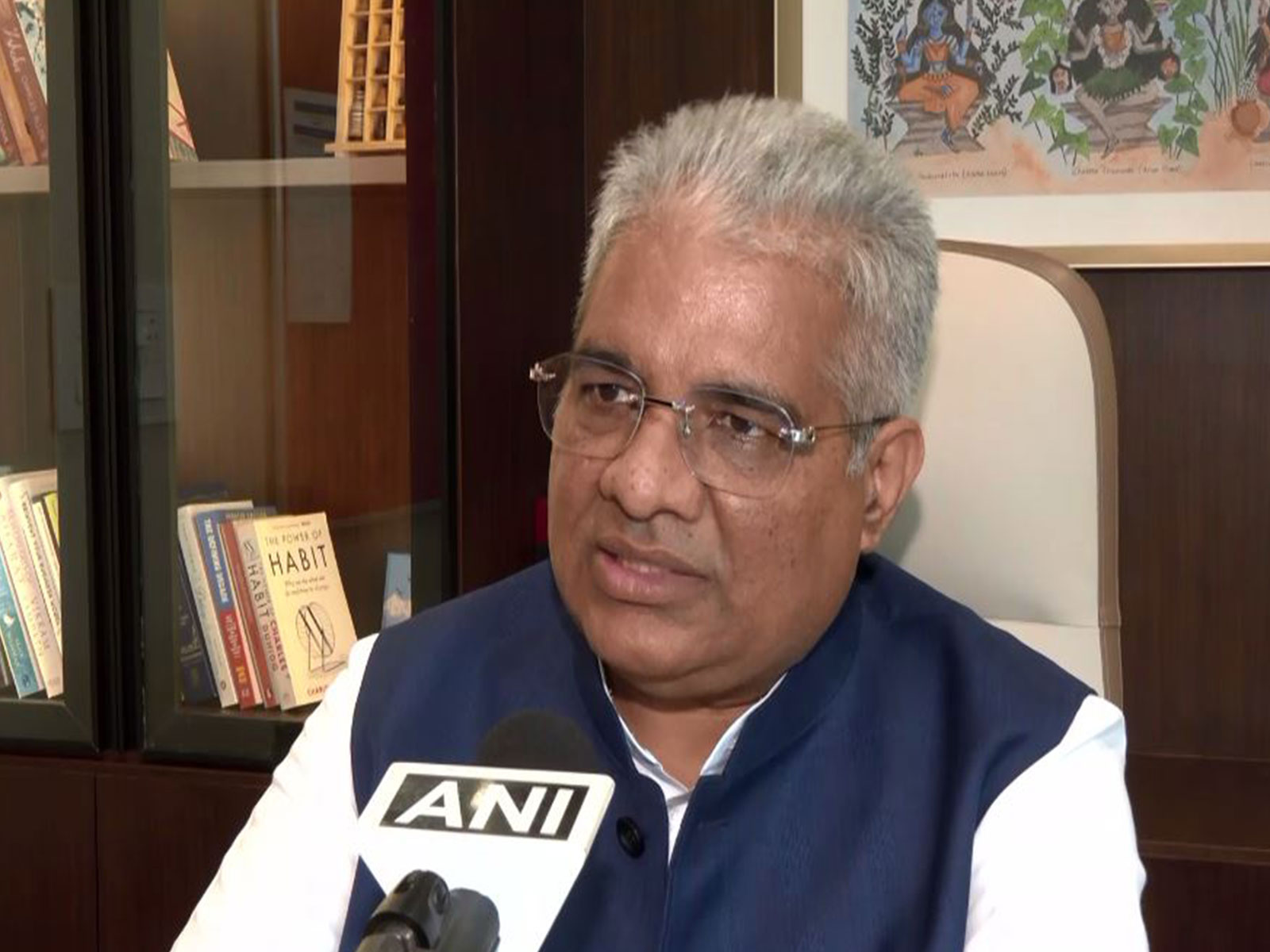
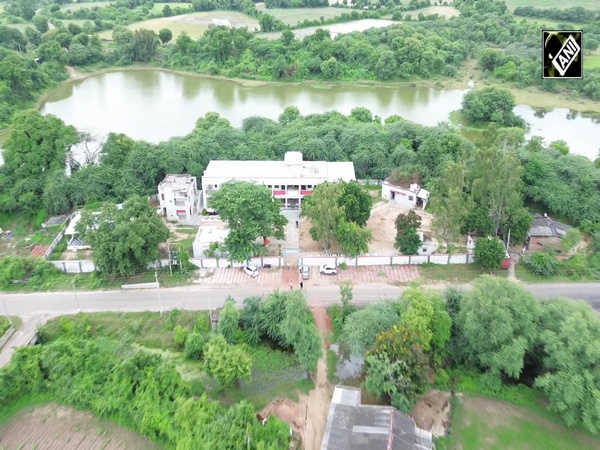
Alwar (Rajasthan) [India], June 28 : Union Environment Minister Bhupender Yadav on Sunday announced that the government is bringing together field directors from across the nation to refine strategies for tiger conservation.
"It has been 18 years since the tiger reintroduction program began in Sariska. Among the country's tiger reserves, Sariska and Panna, in particular, stand out as success stories, although our experiments have met with failure in one or two places. We are currently gathering field directors from across the nation to discuss qualitative improvements in tiger conservation areas, knowledge sharing, capacity building, ways to reduce habitat fragmentation, strengthening tributaries and ensuring the participation of local communities," he said.
Speaking to ANI, he highlighted the success of India's tiger reintroduction programs, announcing that a two-day technical programme will evaluate its success. The findings will subsequently be reviewed by the National Tiger Conservation Authority committee.
"Tiger reintroduction is a major programme in itself. We are holding this two-day technical program to evaluate its success, and the findings will subsequently be reviewed by the NTCA (National Tiger Conservation Authority) committee," he said.
"We have convened field directors from across the country to identify areas of deficiency and surplus so we can strike a balance and address the major challenge of human-animal conflict in these regions," he added.
Yadav noted that the Sundarbans have been designated as a UNESCO site as it acts as a shared area between India and Bangladesh, where the tigers can freely move from one country to another.
"The Sundarbans is a UNESCO World Heritage site. It is a unique region where the tiger inhabits both the land and the marine environment. In a way, this is a shared area between India and Bangladesh, where tigers move freely from one country to the other. Recognising its unique biodiversity, it has been designated as a UNESCO site. It was neglected for a long time, but we are now revisiting the approach towards it," he said.