GST 3.0 should focus on trust, certainty, and simplicity: PHDCCI CEO Ranjeet Mehta
Nov 18, 2026
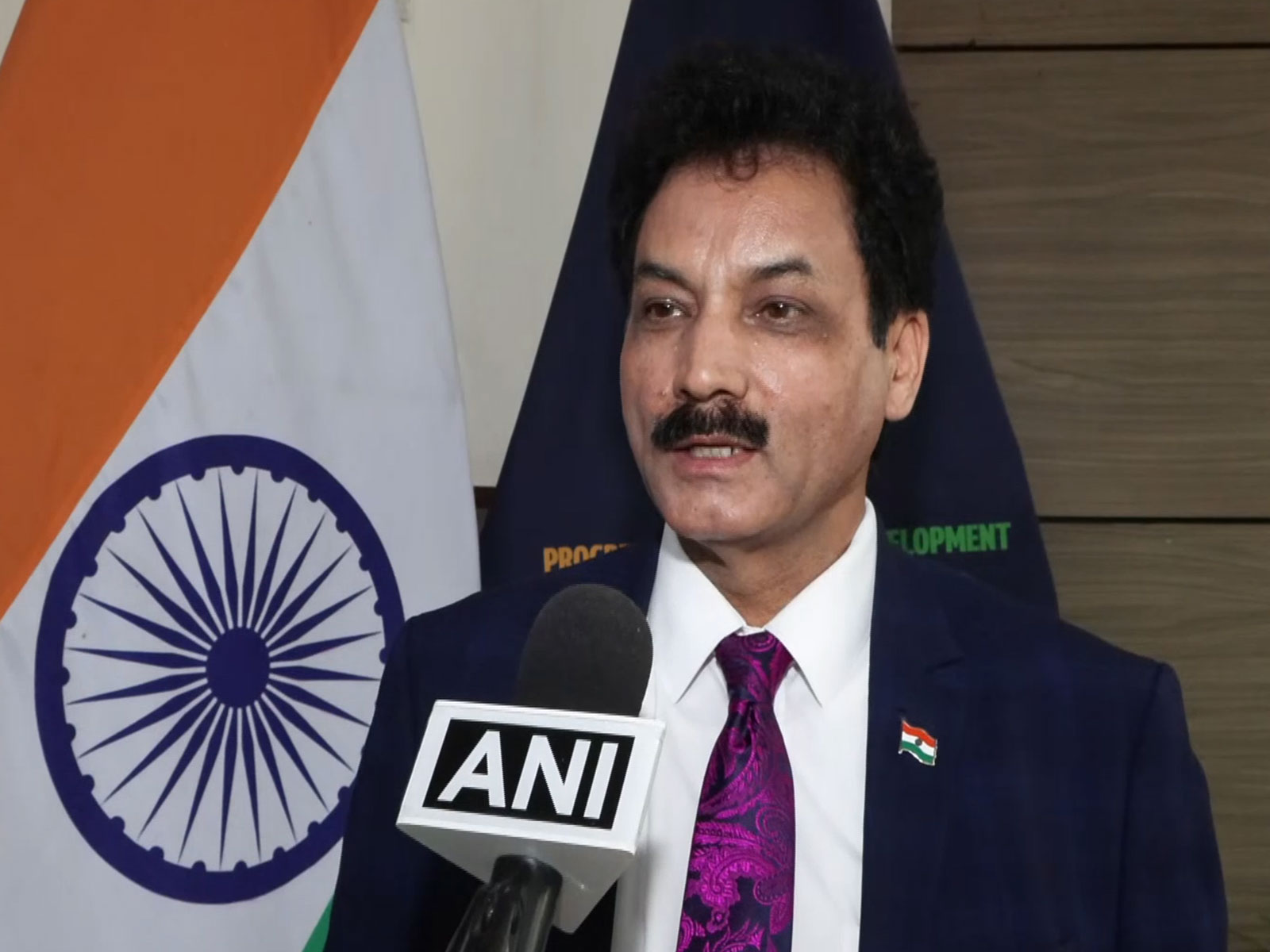
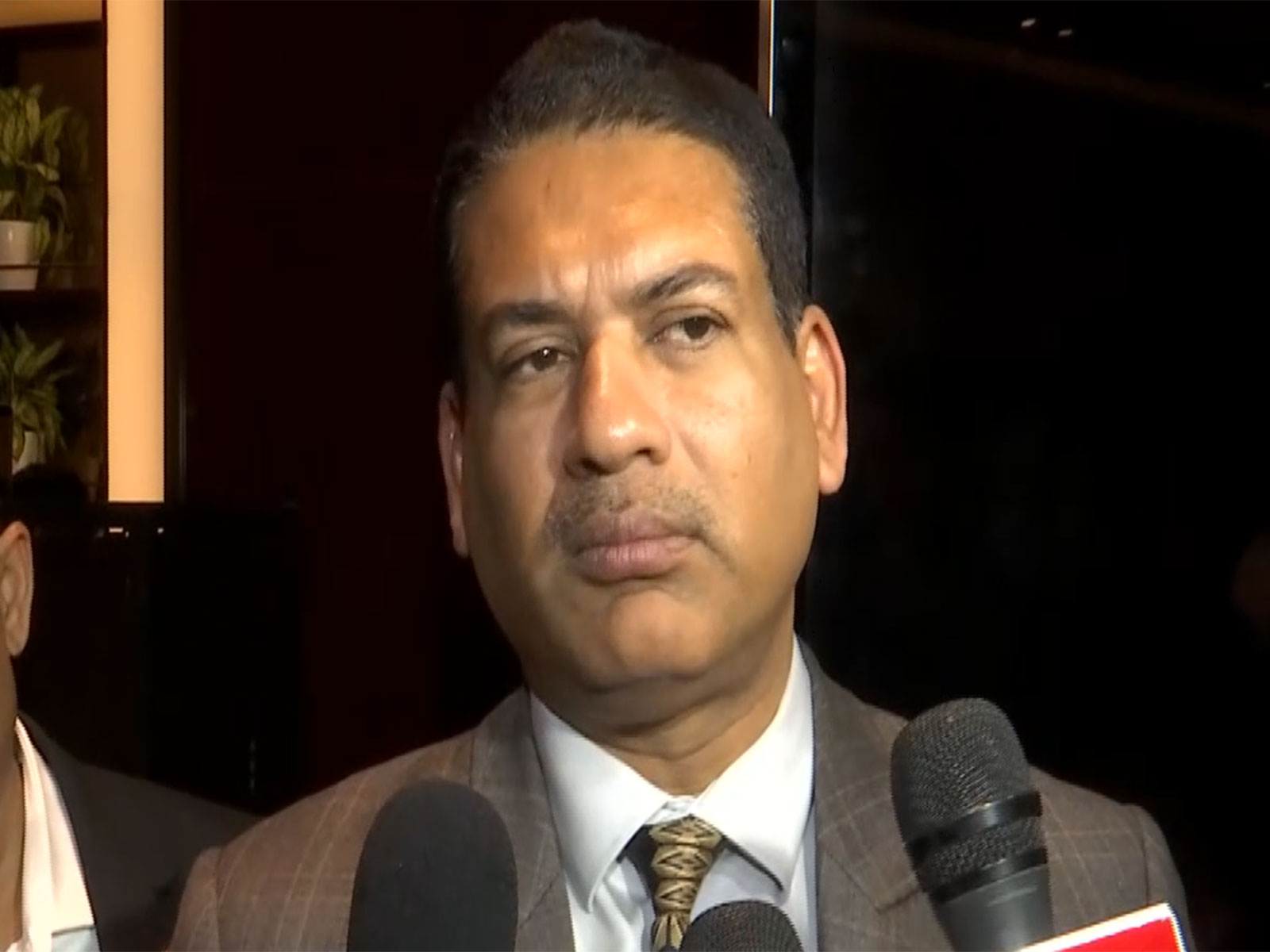
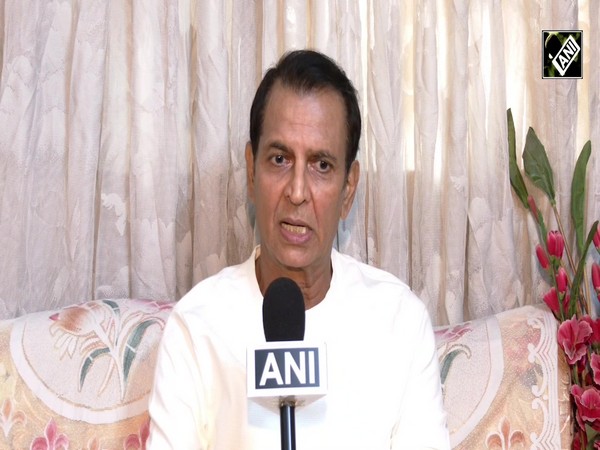
New Delhi [India], November 18 : The next phase of Goods and Services Tax (GST) reforms or GST 3.0, should focus on trust, certainty, and simplicity to boost industry confidence, PHDCCI CEO and Secretary General Ranjeet Mehta said on Wednesday.
Speaking to ANI on the sidelines of the "GST 2.0 Workshop, From Compliance Burden to Ease of Doing Business" organised by PHD Chamber of Commerce and Industry (PHDCCI), Mehta noted that the industry and the government shared a common vision on tax reforms.
"Now, when GST 3.0 comes, I think it should focus on trust, certainty, and simplicity. That is what I guess the industry would really request. And the government also has the same vision that creating trust and confidence in the industry is extremely important in this," Mehta told ANI.
He reiterated that whenever the government introduced GST 3.0, it needed to build confidence among businesses.
"GST 3.0, whenever it comes, whenever the government comes out with it, our request definitely is that it should create a lot of trust, confidence, simplicity and certainty. These are the three or four things that are very, very important," Mehta added.
At the workshop, PHDCCI called for a comprehensive set of reforms in the GST framework to strengthen industrial competitiveness, improve ease of doing business, reduce compliance costs, and promote investment across key sectors.
The industry body submitted recommendations to the government emphasising the need to address structural issues relating to input tax credit, inverted duty structures, procedural complexities, tax classification disputes, and the blockage of working capital across MSMEs, food processing, agriculture, hospitality, aviation, infrastructure, energy, and export-oriented industries.
Reviewing the evolution of the tax regime since its launch in 2017, Mehta observed that the system underwent major transformations over nearly a decade, integrating the country into one market before moving to rate rationalisation under GST 2.0. He pointed out that the workshop discussed the 57th GST Council meeting reforms and the decriminalisation of norms.
"The government is having a tremendous mindset, a very positive mindset, and really they want to create that trust. They want to bring confidence, boost the confidence of the industry. Ultimately, any GST reform or tax reform should enable economic activity," Mehta said.
He confirmed that PHDCCI sent multiple recommendations to the Centre and expressed confidence that the ongoing process would soon streamline procedures further. Addressing the role of technology in tax administration, Mehta noted that artificial intelligence and data analytics have become inevitable for both government departments and the industry.
"Well, AI and data analytics, to some extent, have been used by all the departments. It is being used by the industry, as today we are at a stage where these things are inevitable. That means everyone will have to use these things. The government is already using many of these tools to streamline the process," he noted.